【安藤忠雄建築】TIME’S|京都の街から、高瀬川の水辺へ降りていく建築(TIME’S|Descending from the Streets of Kyoto to the Waters of the Takase River)
建築概要
Overview
- 名称:TIME’S(TIME’S I・II)
- 設計:安藤忠雄
- 所在地:京都府京都市中京区
- 第1期竣工:1984年
- 第2期竣工:1991年
- 用途:商業施設
- Name:TIME’S (TIME’S I & II)
- Architect:Tadao Ando
- TIME’S I Completed:1984
- TIME’S II Completed:1991
- Location:Nakagyo-ku, Kyoto, Japan
- Type:Commercial Complex
1.TIME’S — 京都の街から、高瀬川の水辺へ降りていく建築
TIME’S — Descending from the Streets of Kyoto to the Waters of the Takase River
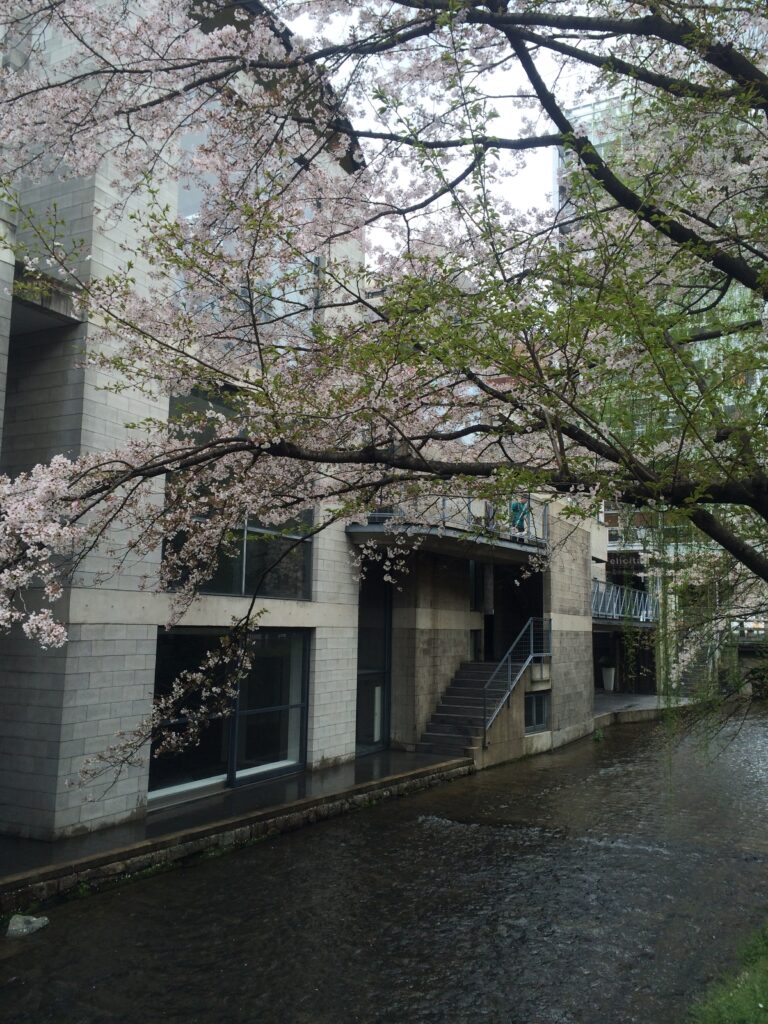
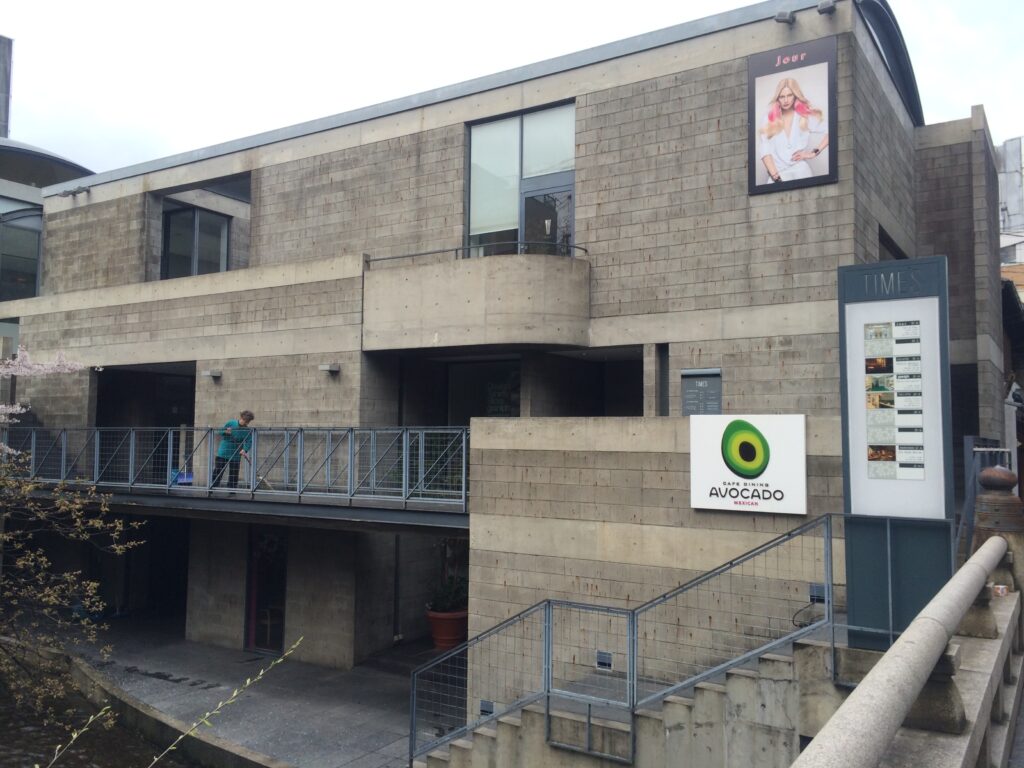
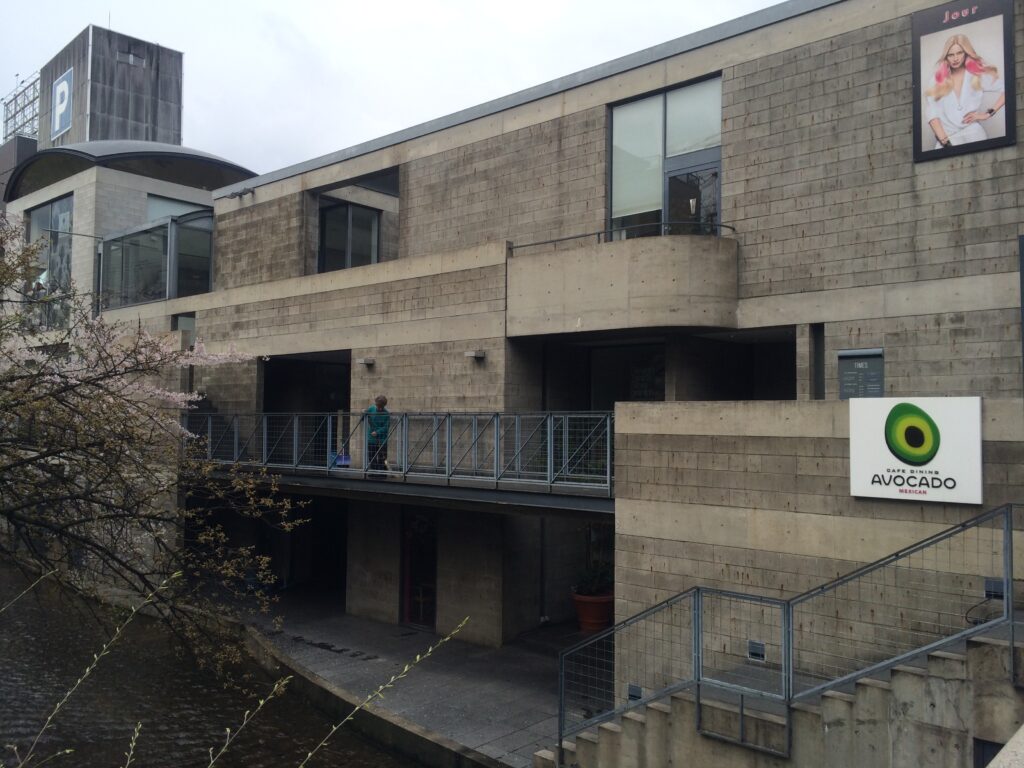
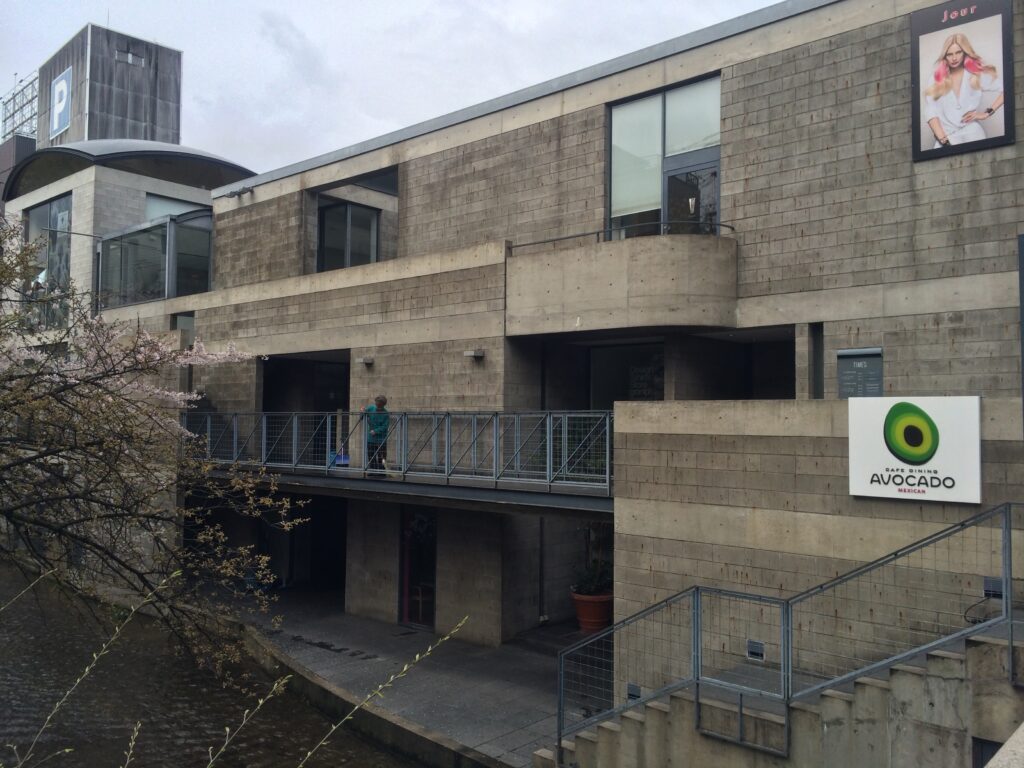
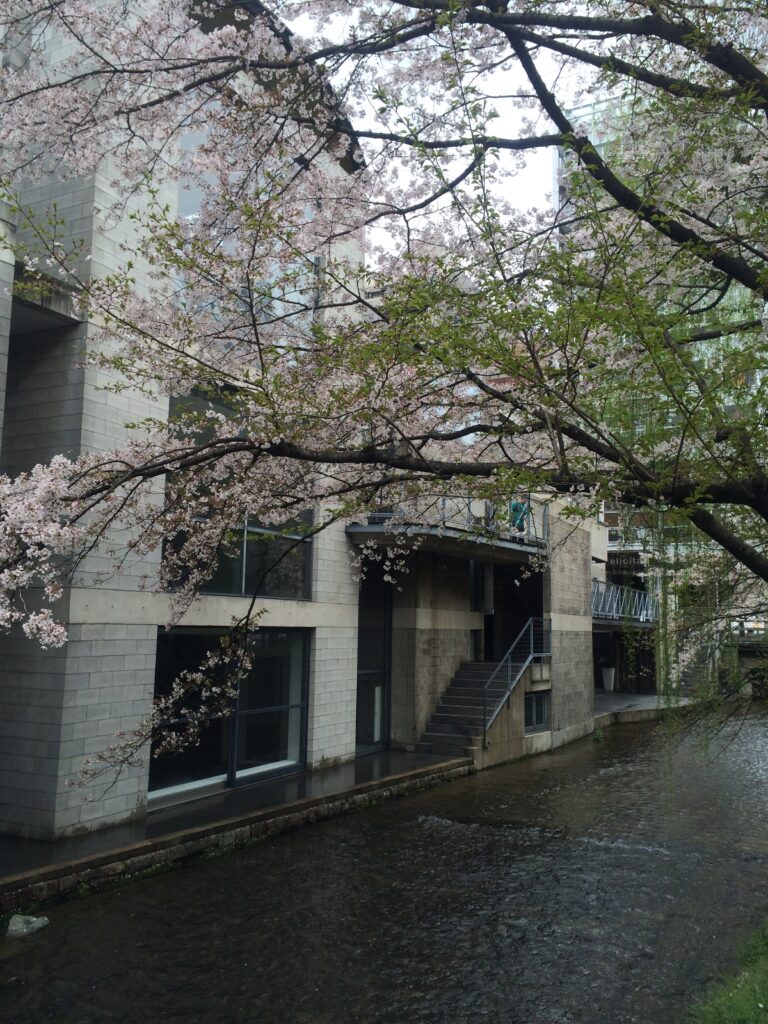
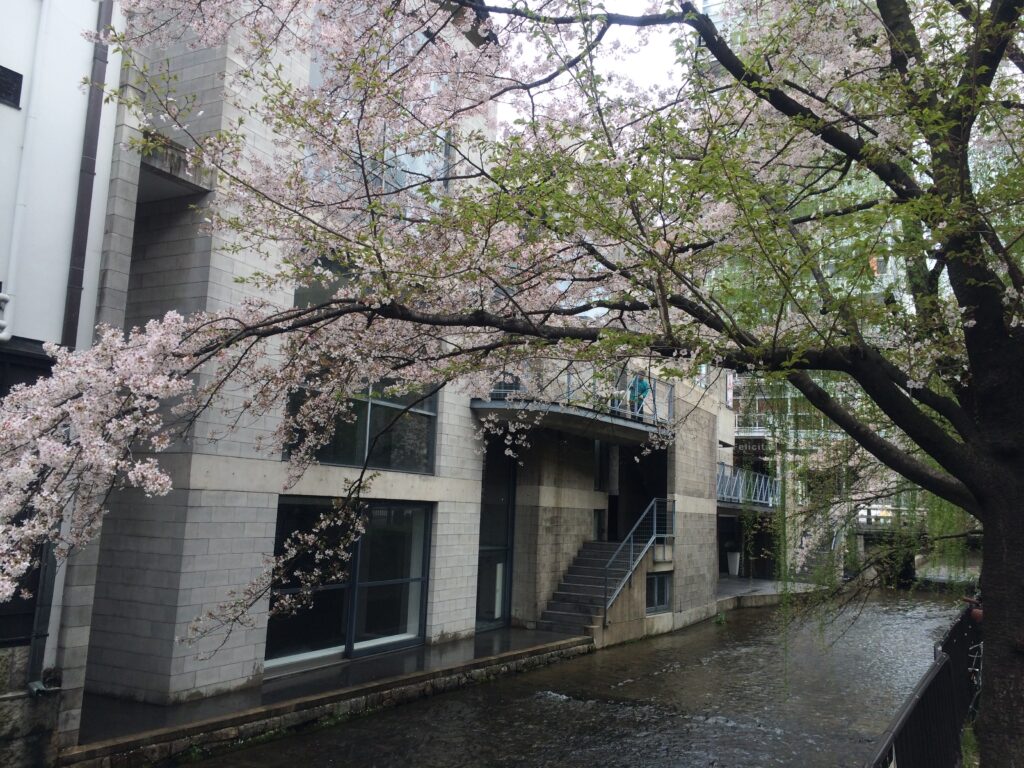
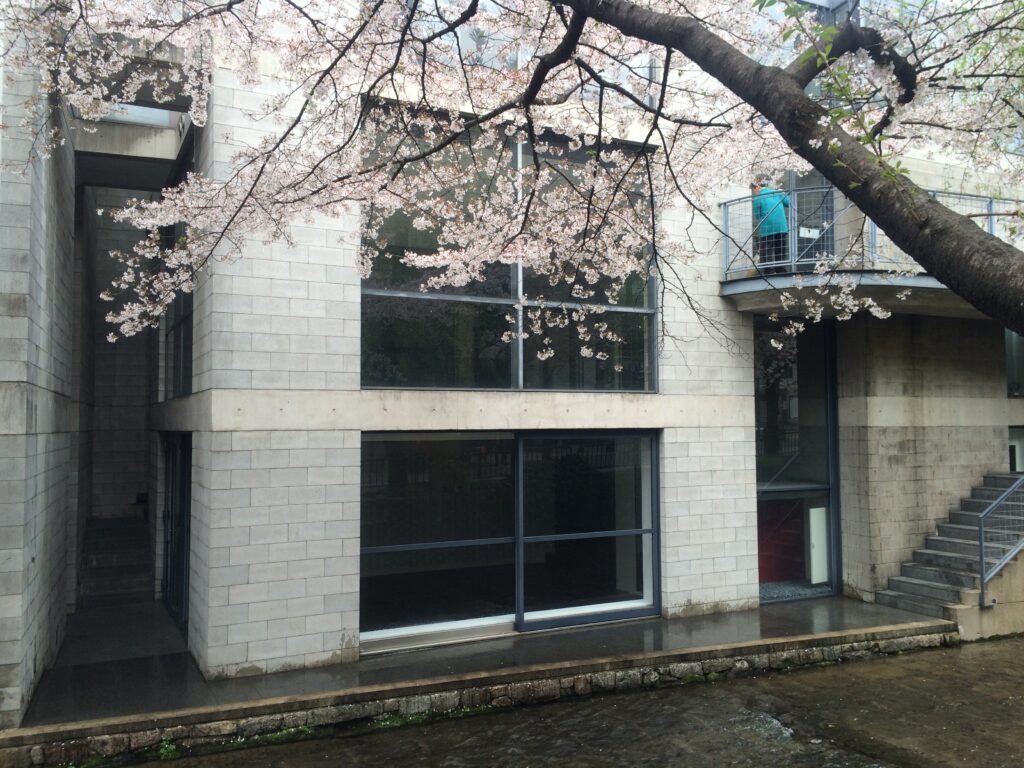
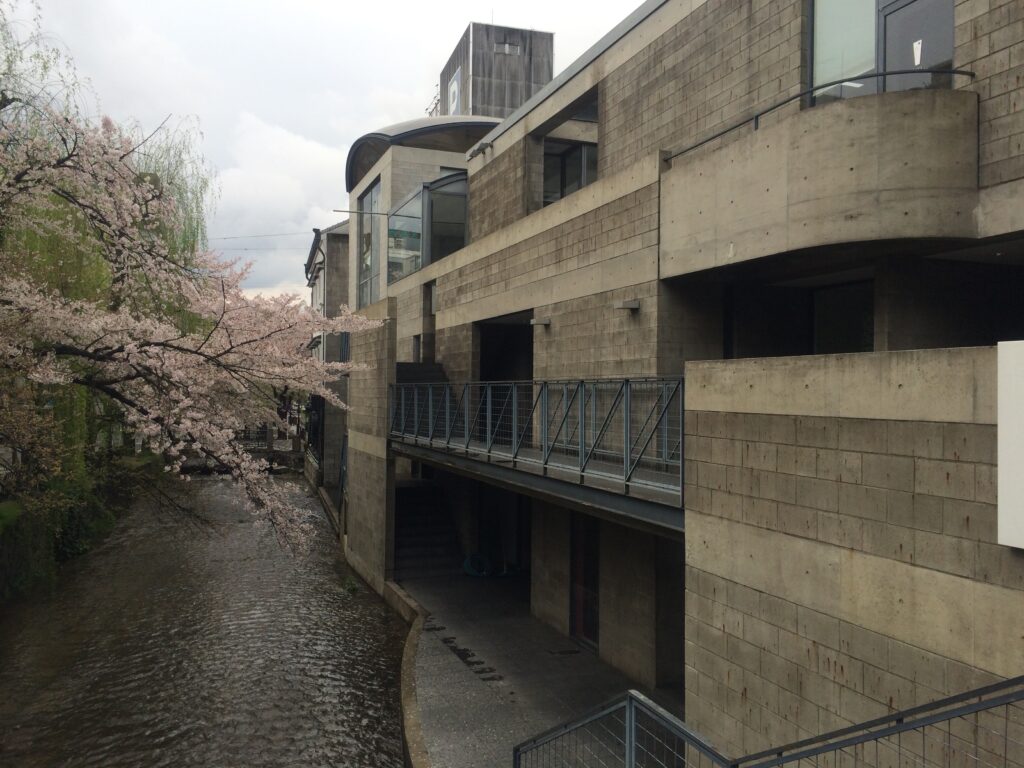
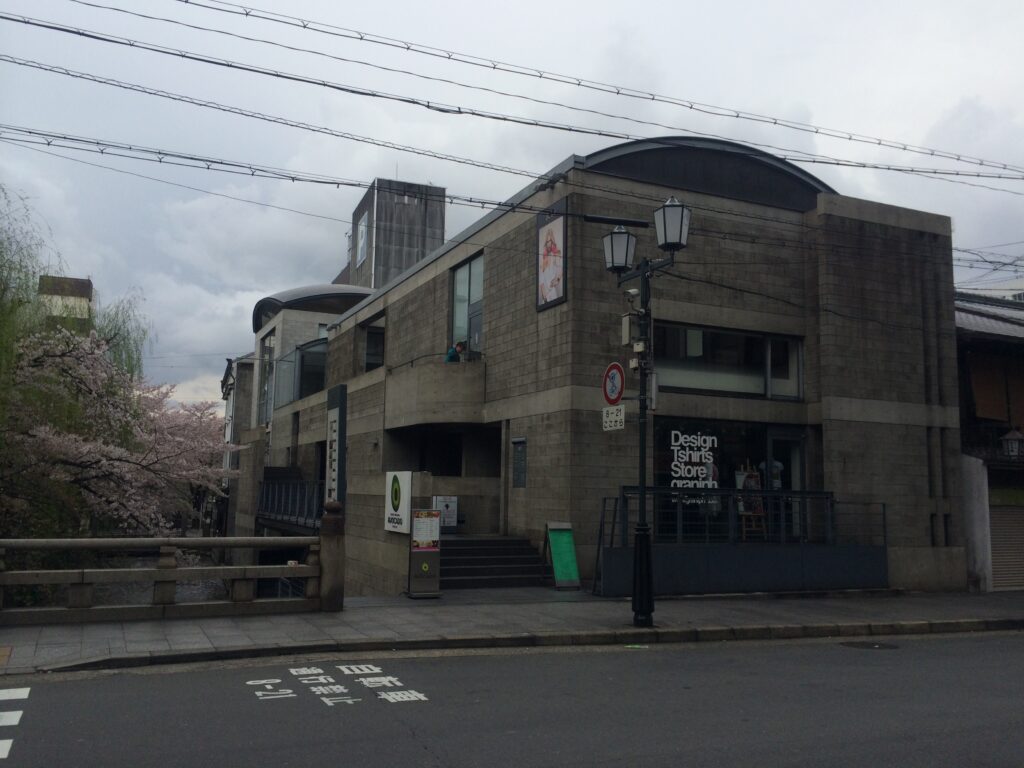
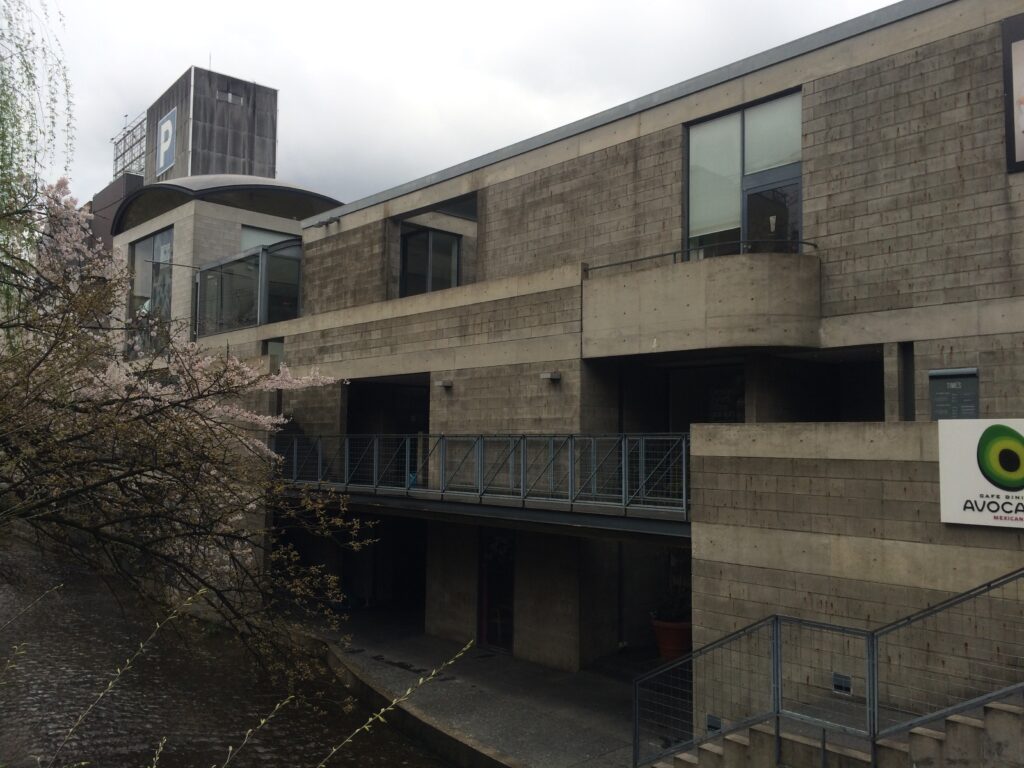
京都・三条を流れる高瀬川。その川沿いの桜や柳の間に、打放しコンクリートとコンクリートブロックで構成された建築が静かに姿を見せる。安藤忠雄設計の商業施設「TIME’S」。第1期が1984年、第2期が1991年に完成した、安藤忠雄の1980年代を代表する作品の一つである。
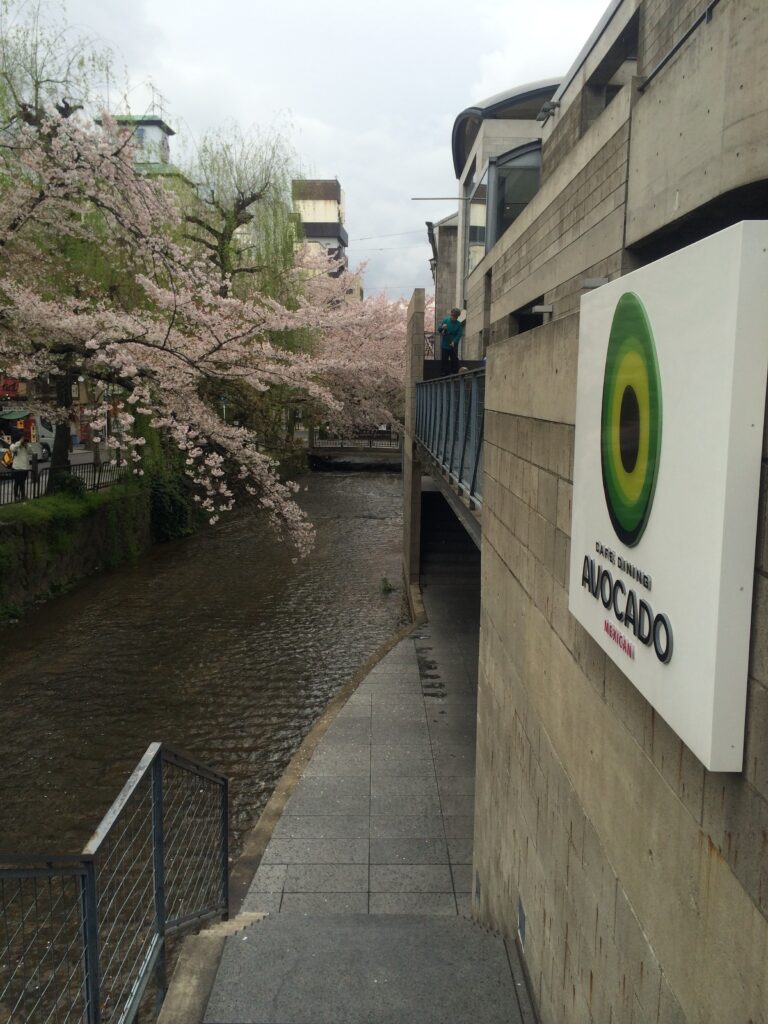
TIME’Sで印象的なのは、建物そのものだけではない。京都の街を歩いて建築へ入り、階段を降り、暗い通路を抜けていくと、それまで街路から眺めていた高瀬川の水面が少しずつ身体に近づいてくる。建築を介することで、もともとそこにあった川との距離が変わっていく。TIME’Sは、京都の街と高瀬川の間にもう一つの世界をつくり出しているような建築だった。
Along the Takase River near Sanjo in Kyoto, an architecture of exposed concrete and concrete block quietly appears between the trees lining the water. This is TIME’S, a commercial complex designed by Tadao Ando. The first phase, TIME’S I, was completed in 1984, followed by TIME’S II in 1991.
What makes TIME’S memorable is not simply the building itself. Entering from the streets of Kyoto, descending stairs and passing through narrow, shadowed corridors, the surface of the Takase River gradually moves closer to the body. Through architecture, the distance between ourselves and a river that had always been there begins to change. TIME’S seems to create another world between the city of Kyoto and the water flowing through it.
2.京都の街角に現れるコンクリート
Concrete Appearing on a Kyoto Street
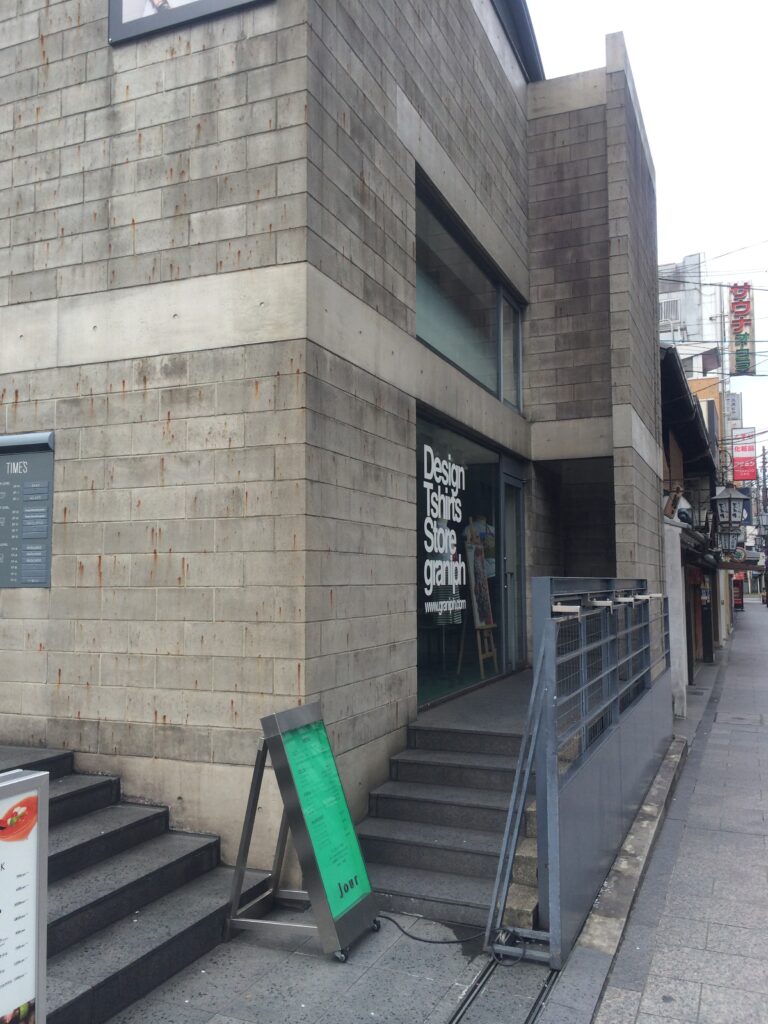
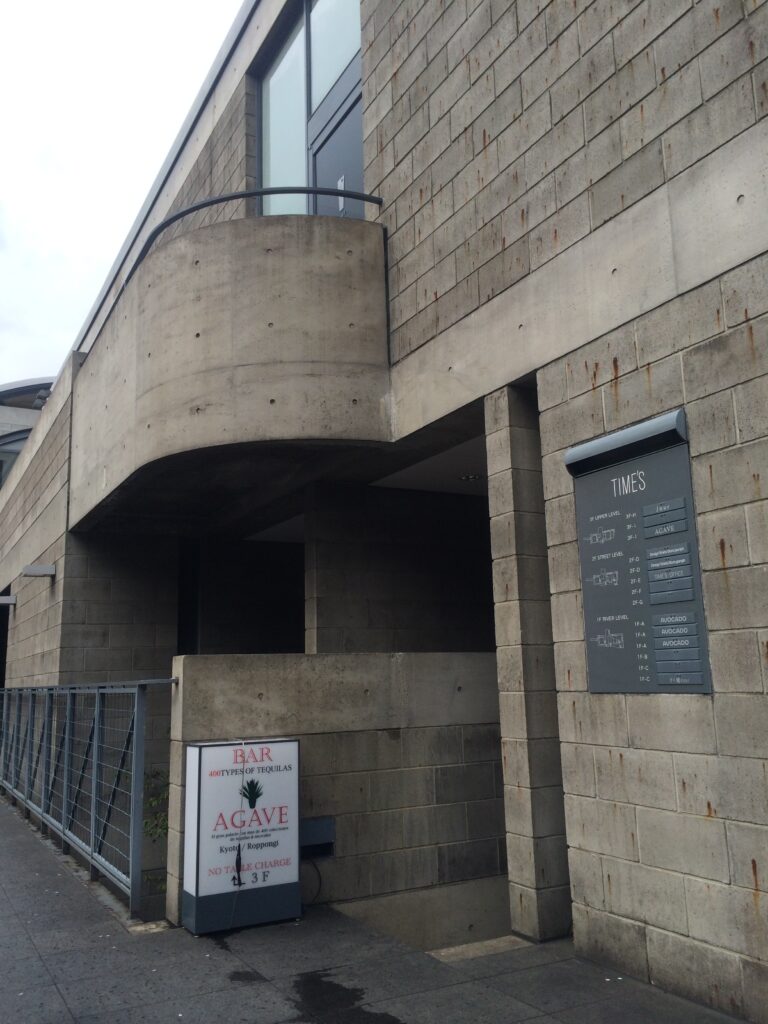
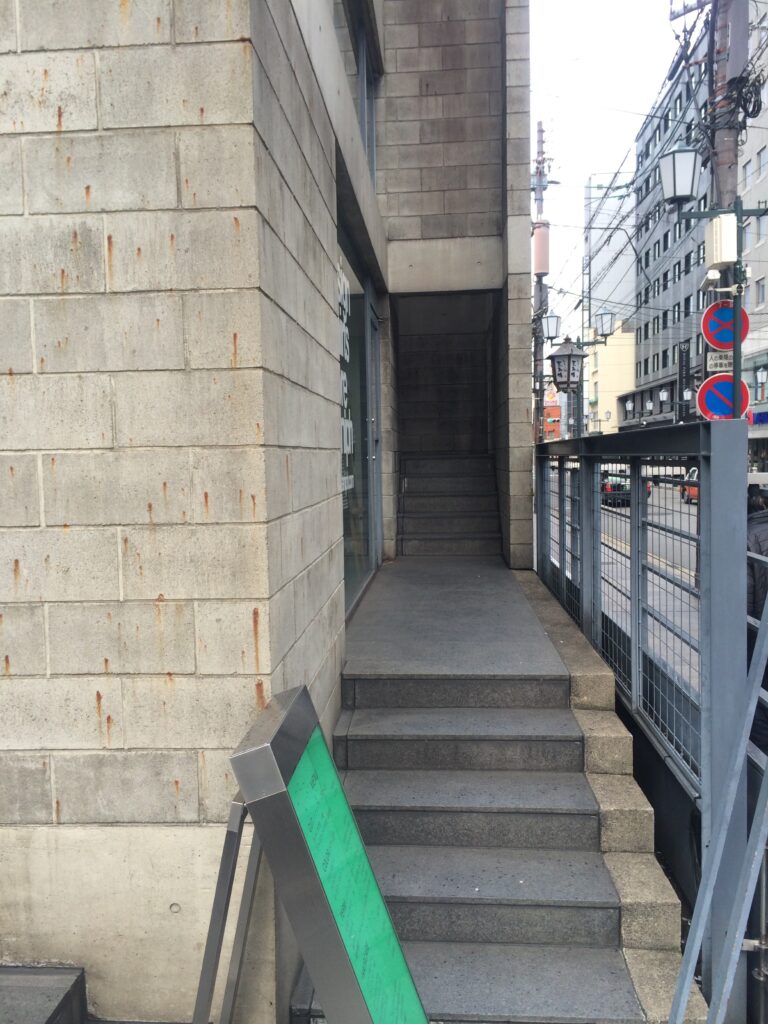
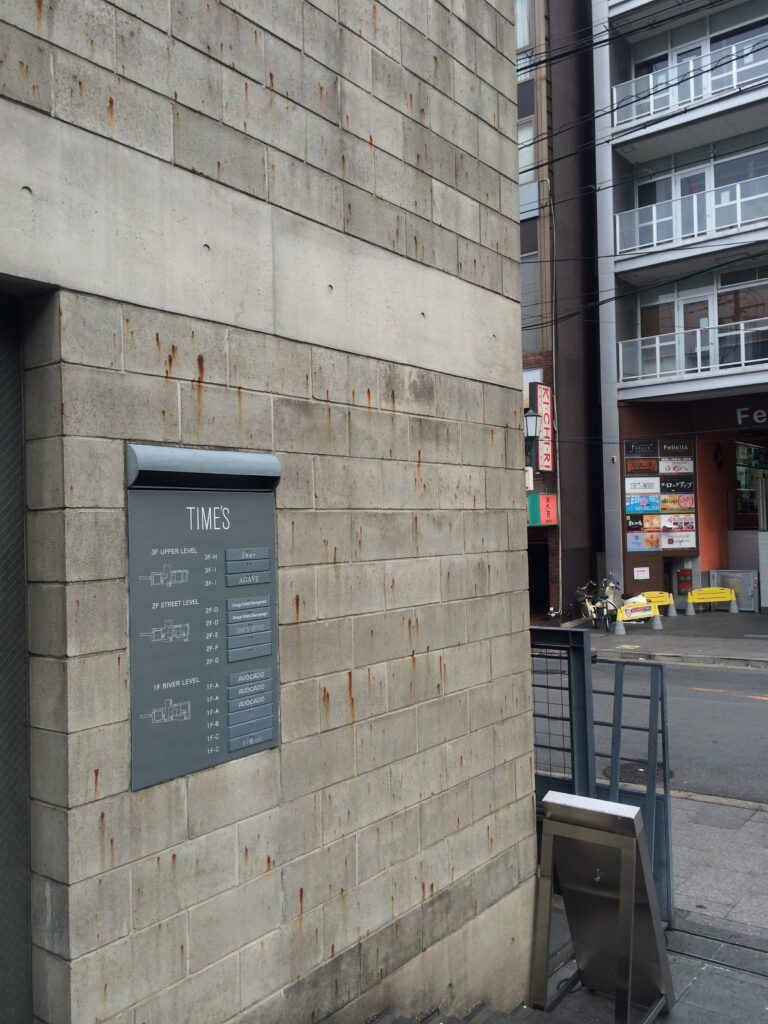
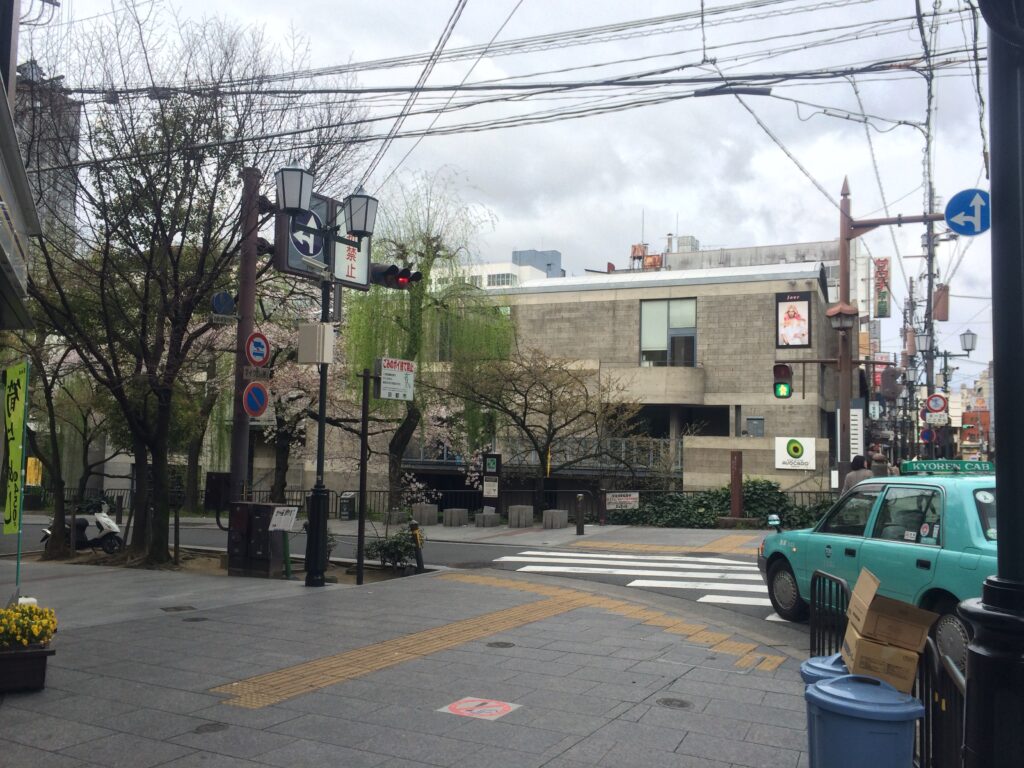
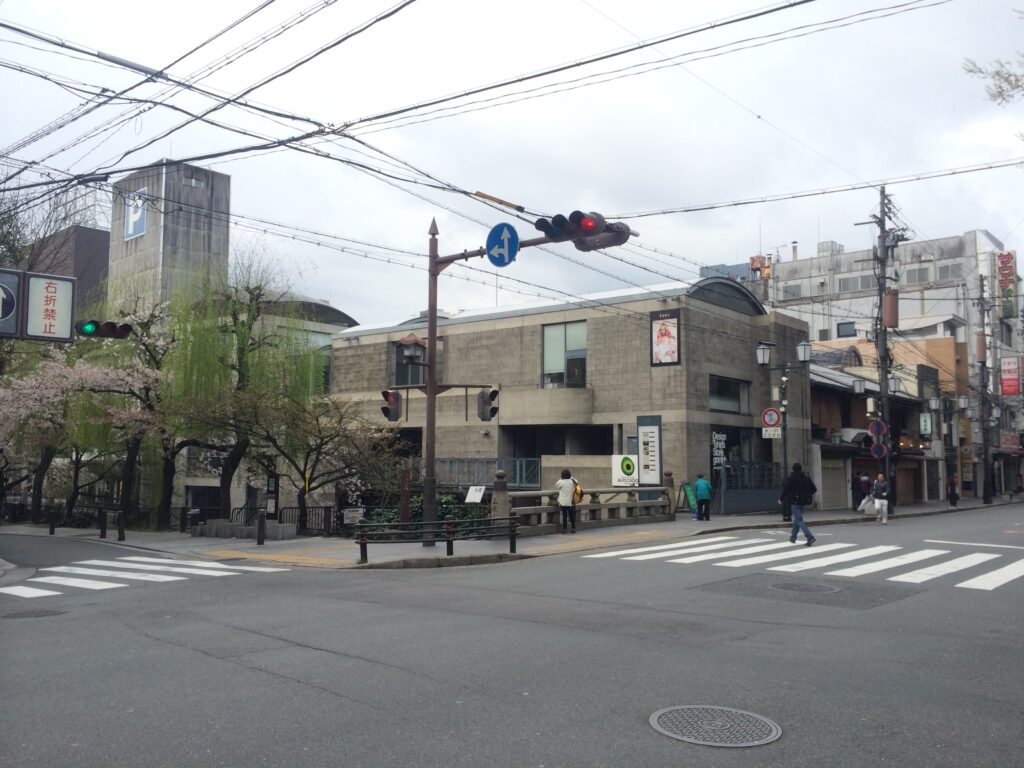
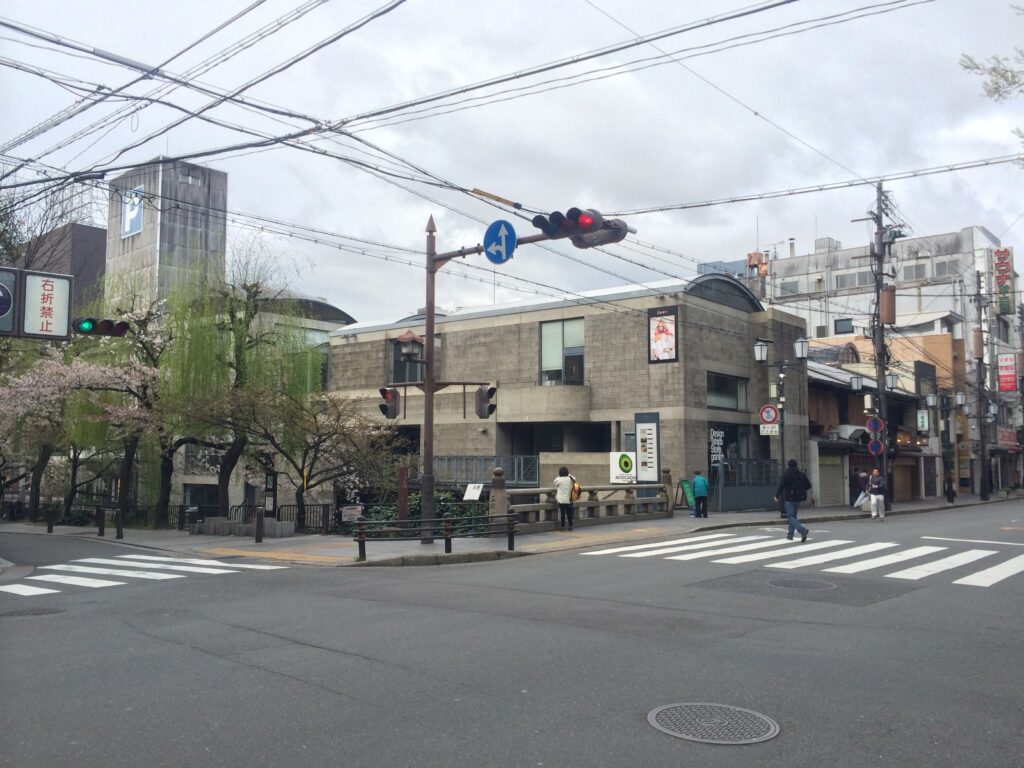
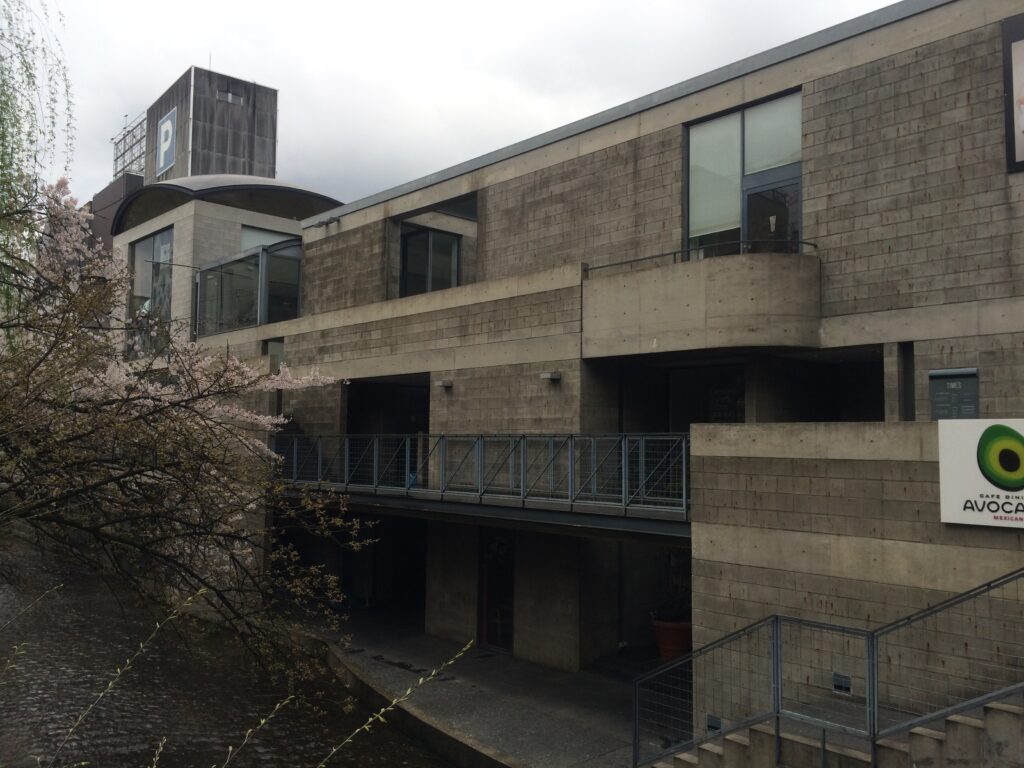
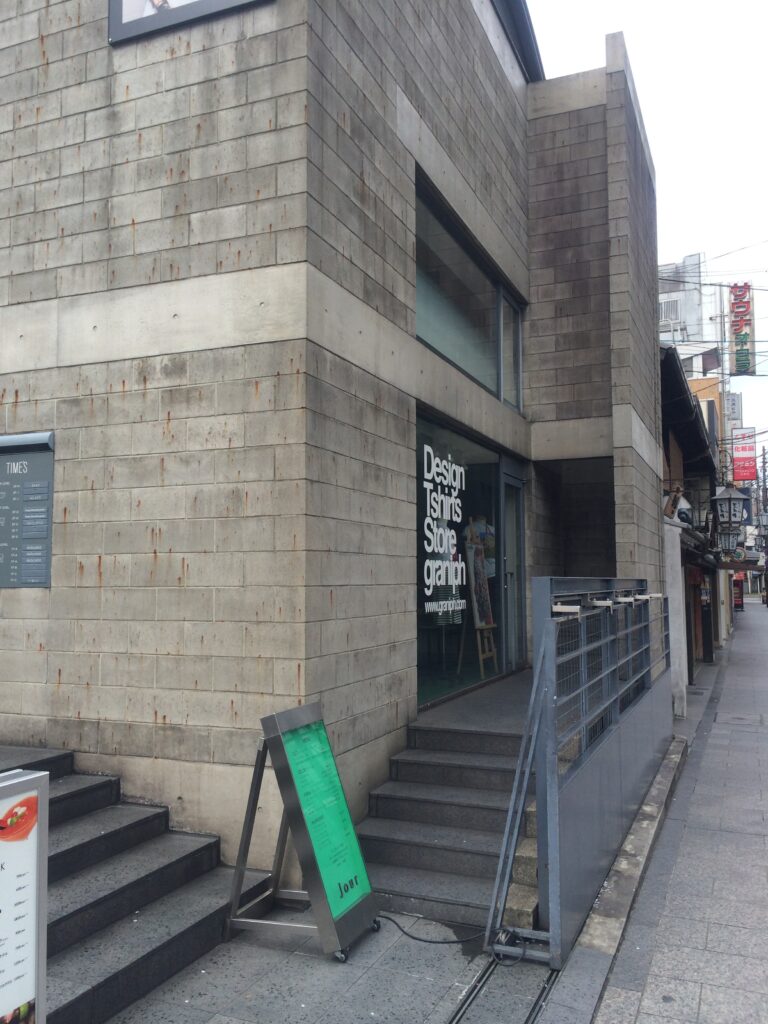
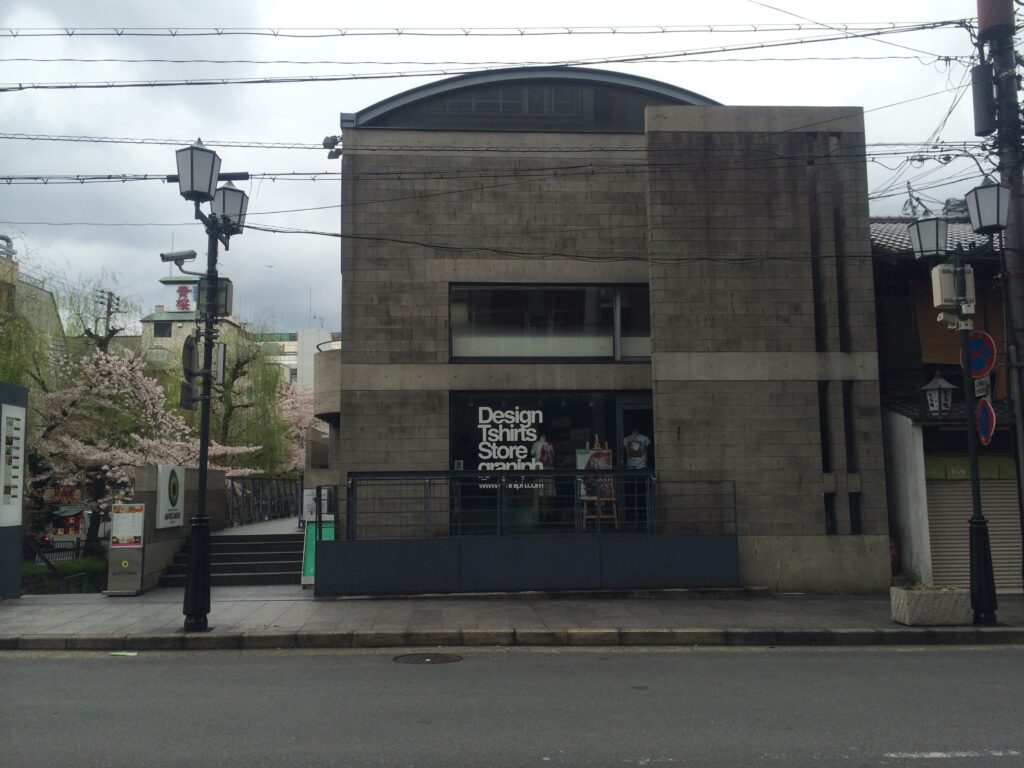
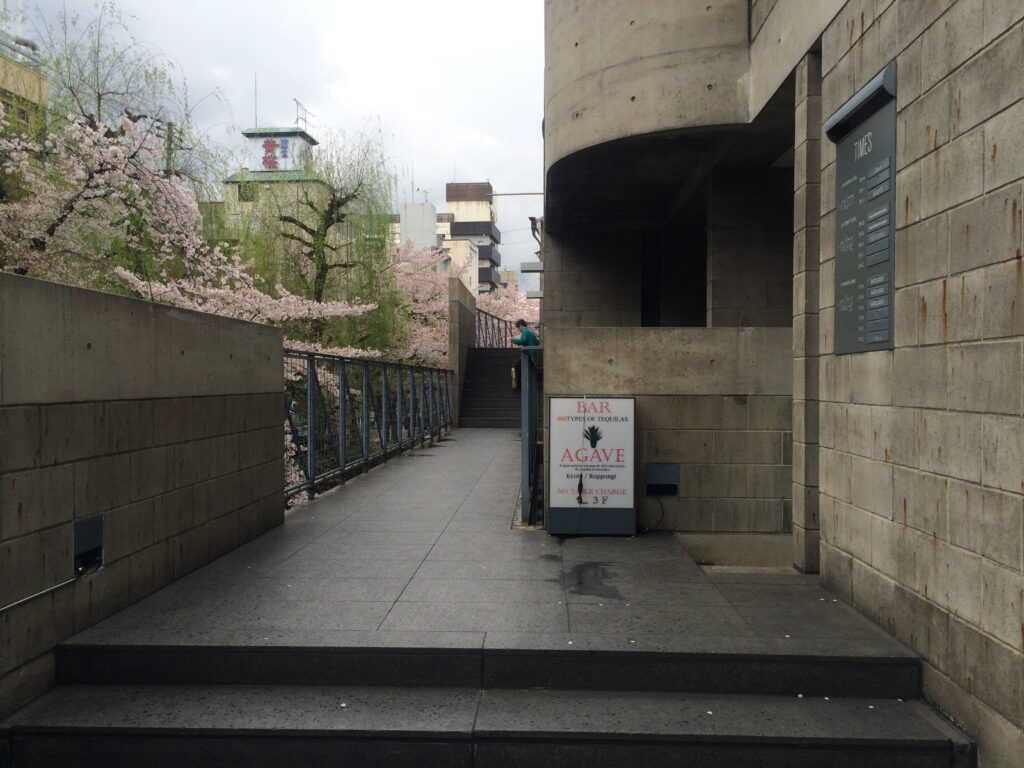
三条通側からTIME’Sを見ると、最初に目に入るのは閉じた印象のコンクリートの壁だ。京都の賑やかな街の中にありながら、大きなショーウインドウによって内部を見せる一般的な商業建築とはまったく違う。どこへ進めば建物の全体像が見えるのかも、すぐには分からない。
しかし、その分かりにくさが人を建築の中へ誘っているようにも感じる。外からすべてを見せるのではなく、まず入口を探し、自分の身体を動かすことからTIME’Sの体験は始まる。
Seen from the Sanjo side, TIME’S initially presents a relatively closed concrete facade. Although it stands within a lively part of central Kyoto, it is completely different from a conventional commercial building that displays its interior through large storefront windows. It is not immediately clear where to go or how the entire building is organized.
Yet this ambiguity seems to be precisely what draws people into the architecture. Rather than revealing everything from the outside, TIME’S asks you first to find an entrance and begin moving through it. The architectural experience starts with the simple act of walking.
3.階段の先に何があるのか
What Lies Beyond the Stairs?
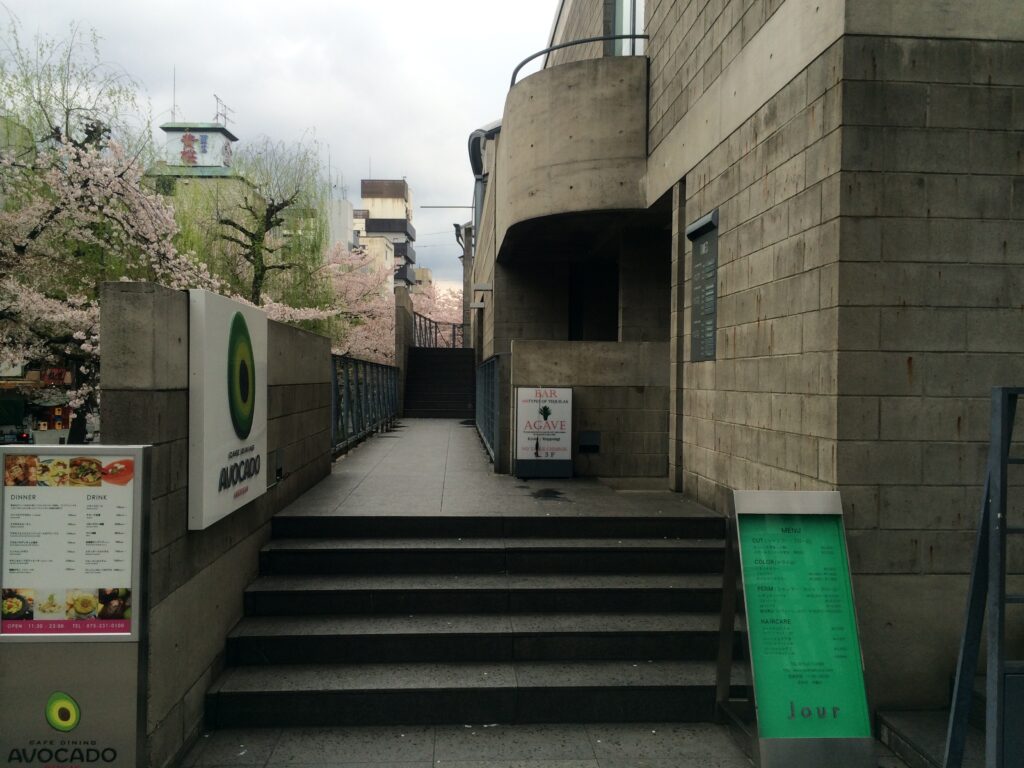
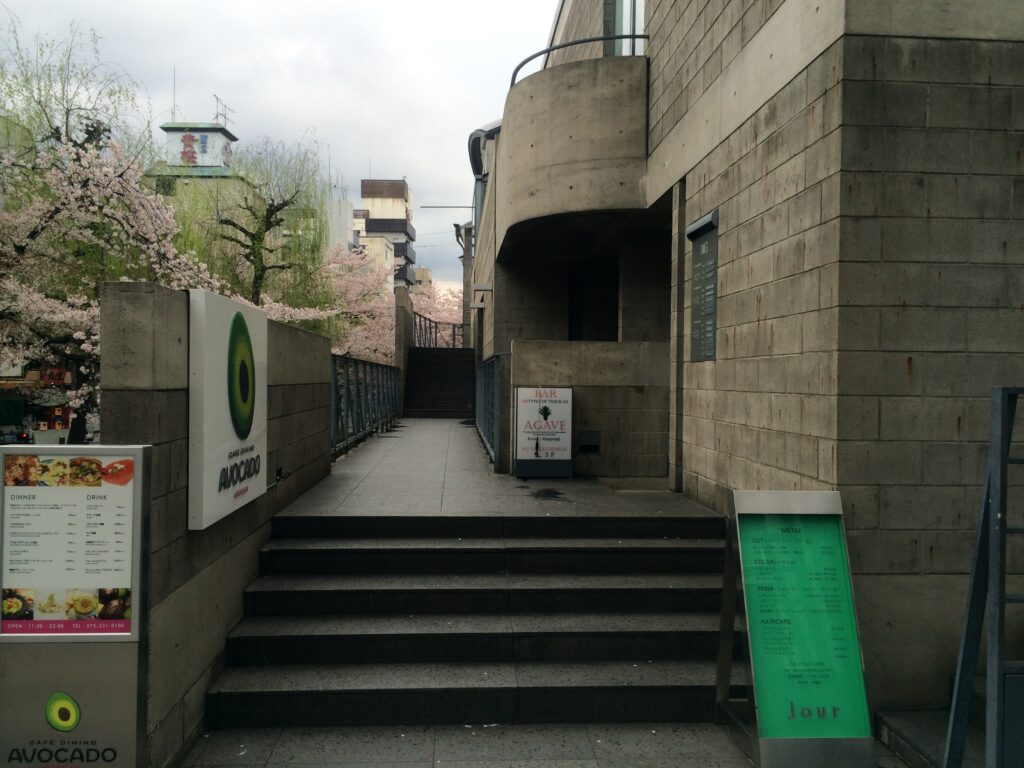
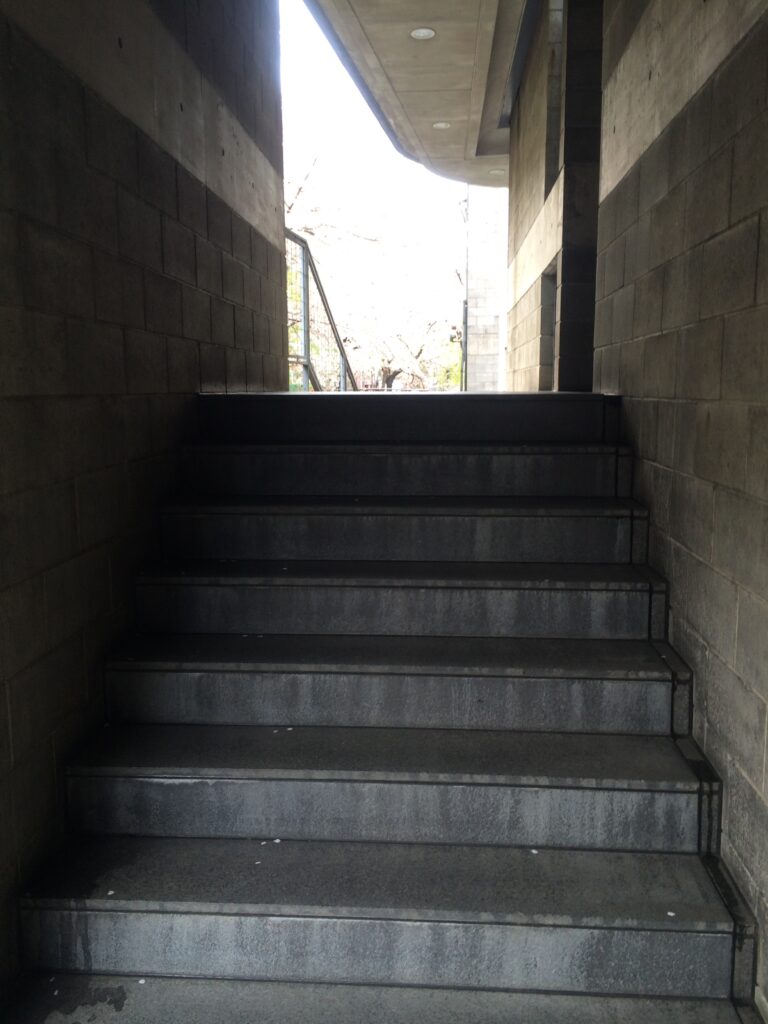
建物へ入ると、すぐに階段と通路が現れる。視線は正面だけではなく、上へ、下へ、そして奥へと分散する。ひとつの大きな空間の中ですべてを把握することはできず、どこか迷路のようでもある。
商業施設でありながら、効率よく店舗へ導くことだけが目的ではないように感じる。どちらへ進むかを自分で選び、少し迷いながら歩く。その行為そのものが、TIME’Sという建築を体験するための重要な部分になっている。
Once inside, stairs and passages immediately begin to appear. The eye is directed not only forward but upward, downward, and deeper into the building. It is impossible to understand everything from a single large space, and the experience can feel almost labyrinthine.
Although TIME’S is a commercial complex, its circulation does not seem designed solely to guide visitors efficiently toward shops. Instead, you choose a direction, occasionally lose your sense of orientation, and continue exploring. That process of moving and discovering becomes an essential part of experiencing the architecture.
4.建築のすぐ横を流れる高瀬川
The Takase River Flowing Beside the Architecture
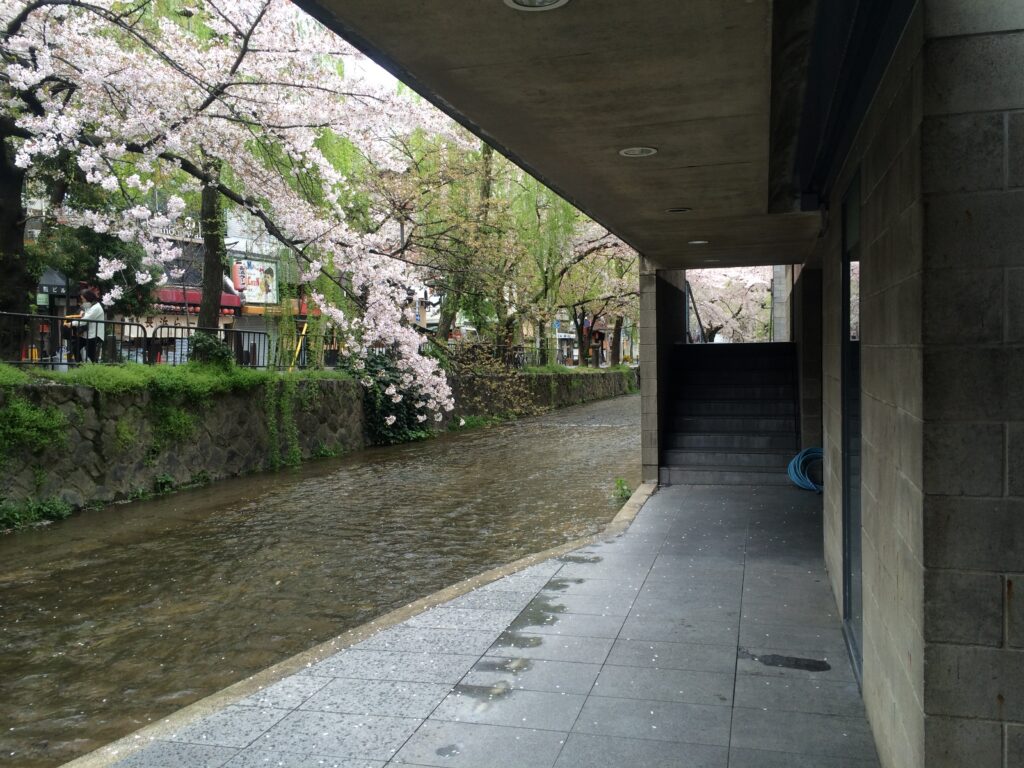
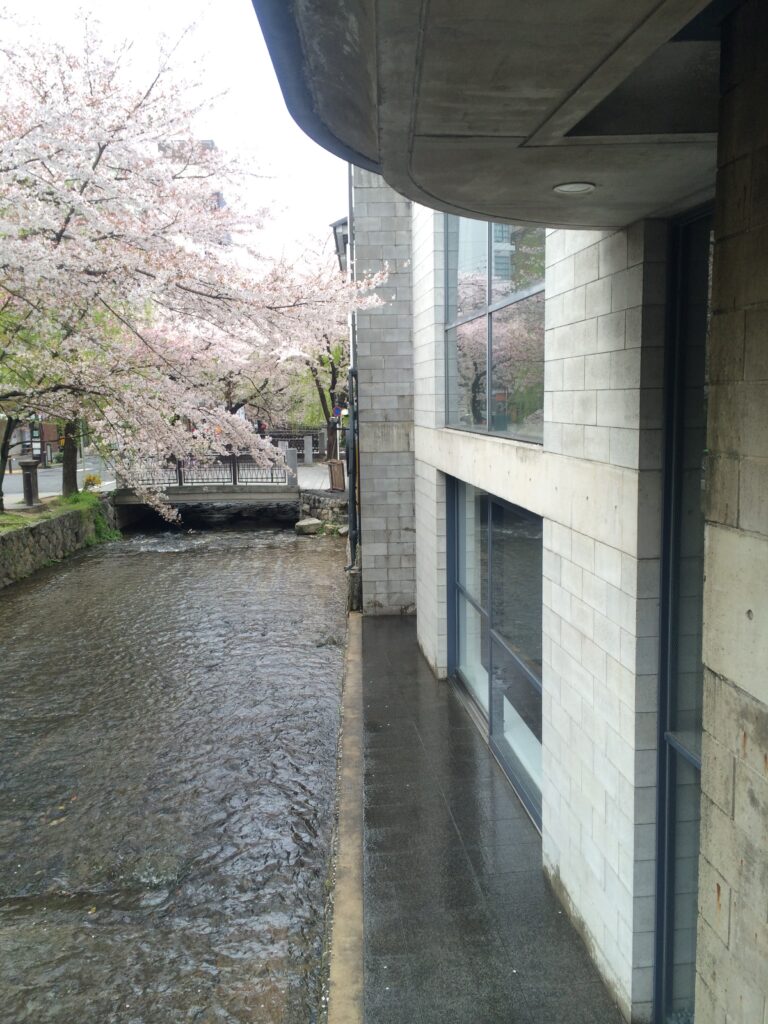
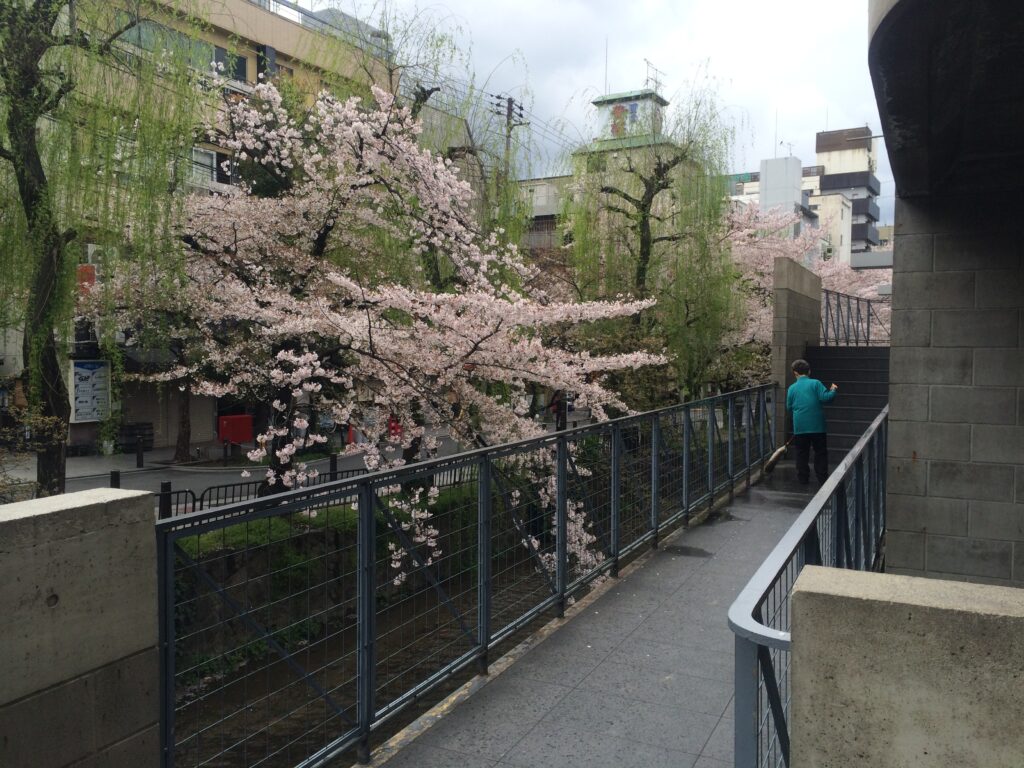
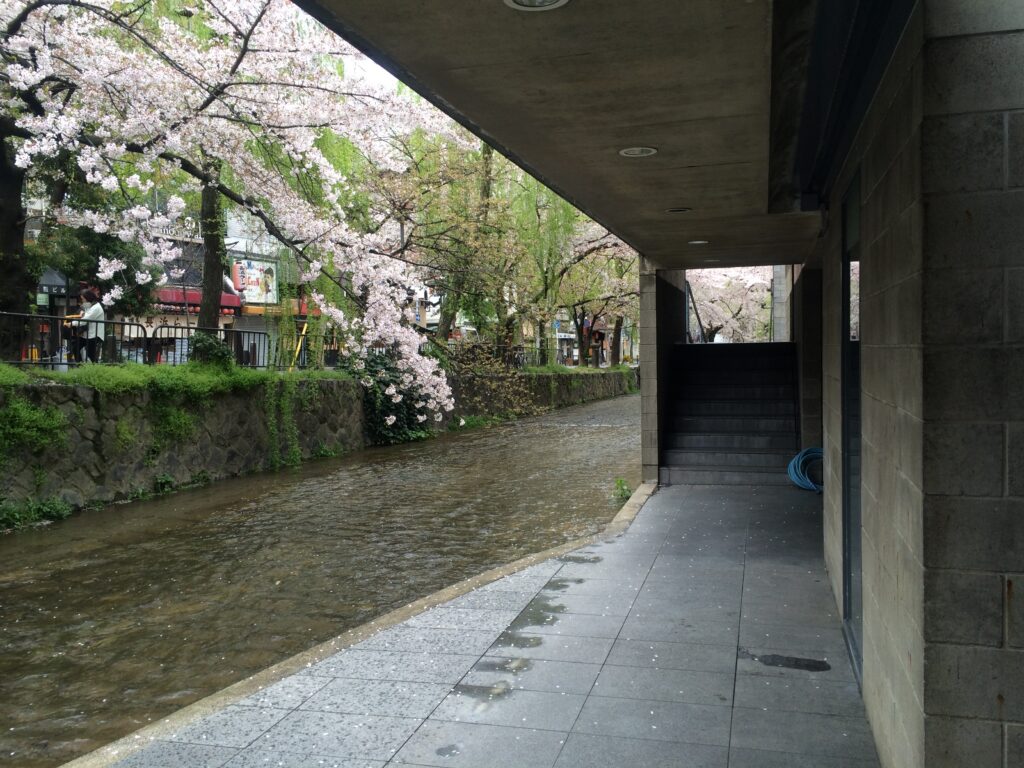
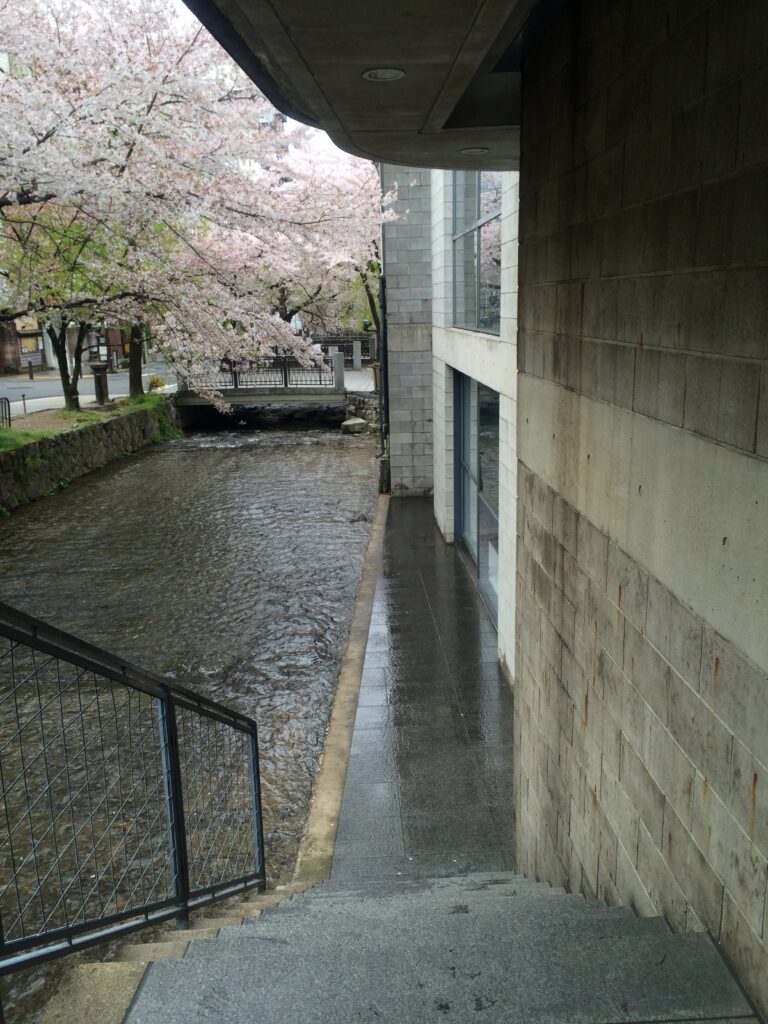
通路を進むと、突然すぐ横に高瀬川が現れる。街路から見ていた川とは明らかに距離感が違う。手を伸ばせば届きそうなほど近い場所を水が流れ、その向こうには京都の街路樹や建物が見える。
ここではコンクリートの建築と川が並んで存在しているのではなく、川そのものが空間の一部になっているように感じられる。水の流れる音、湿度、光の反射。視覚だけではなく、身体全体で高瀬川の存在を感じる場所だった。
Continuing through the passages, the Takase River suddenly appears immediately beside you. The distance is completely different from the way the river is experienced from the street above. Water flows almost within reach, while trees and buildings of Kyoto remain visible beyond it.
Here, the concrete architecture and the river do not feel like two separate elements placed next to each other. The river itself becomes part of the space. The sound of flowing water, the moisture in the air, and reflections of light make the presence of the Takase River something that is experienced with the whole body rather than simply seen.
5.光と影の間を歩く
Walking Between Light and Shadow
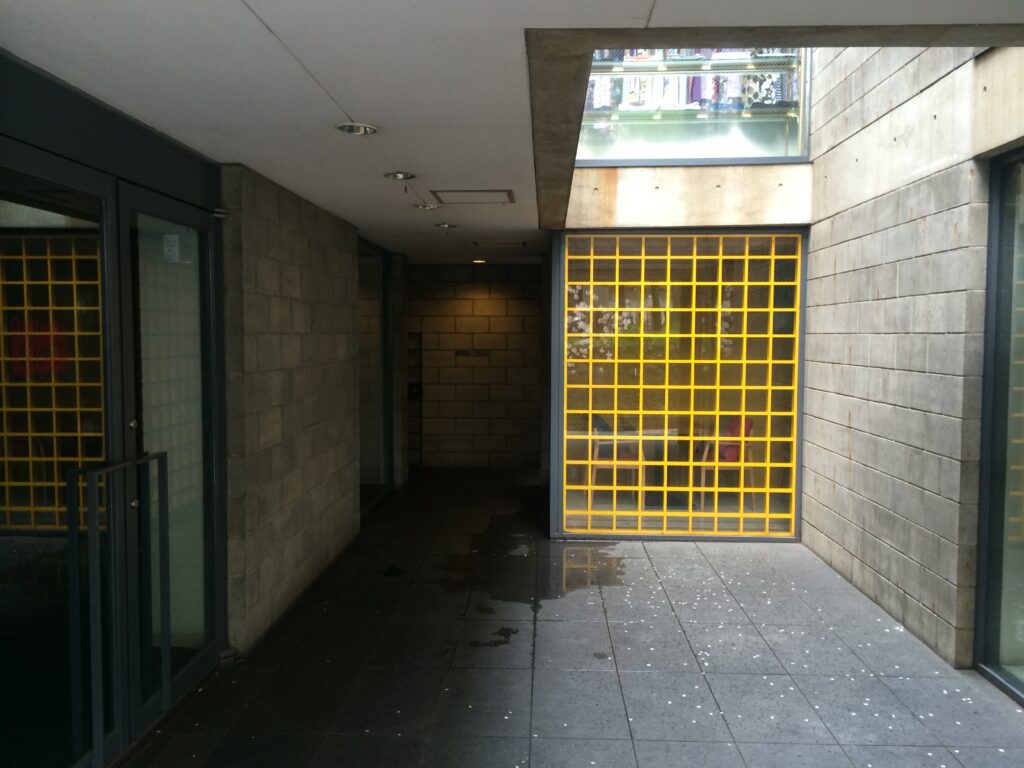
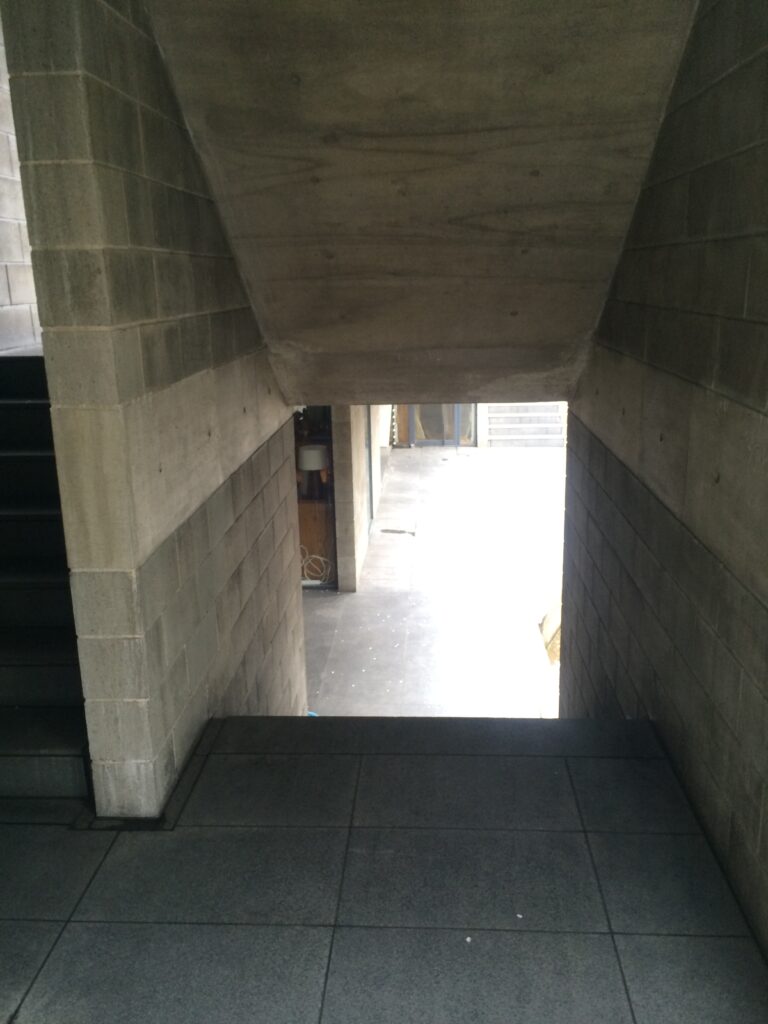
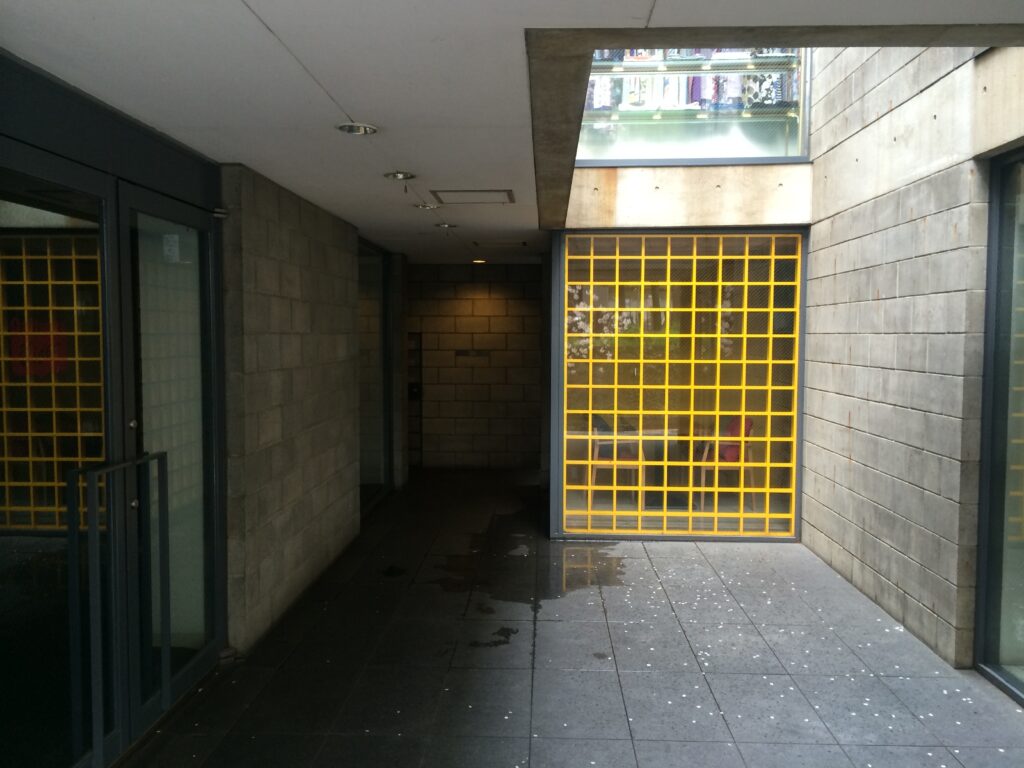
川沿いの明るい空間から少し奥へ入ると、TIME’Sの表情は大きく変わる。コンクリートに囲まれた通路は暗く、その先に外部の光が見える。明るい場所と暗い場所が短い距離の中で何度も切り替わることで、実際以上に建築が深く感じられる。
Moving away from the bright spaces beside the river, the character of TIME’S changes dramatically. Concrete corridors become darker, while daylight remains visible at their ends. The repeated transition between brightness and shadow makes the architecture feel deeper and more complex than its actual dimensions might suggest.
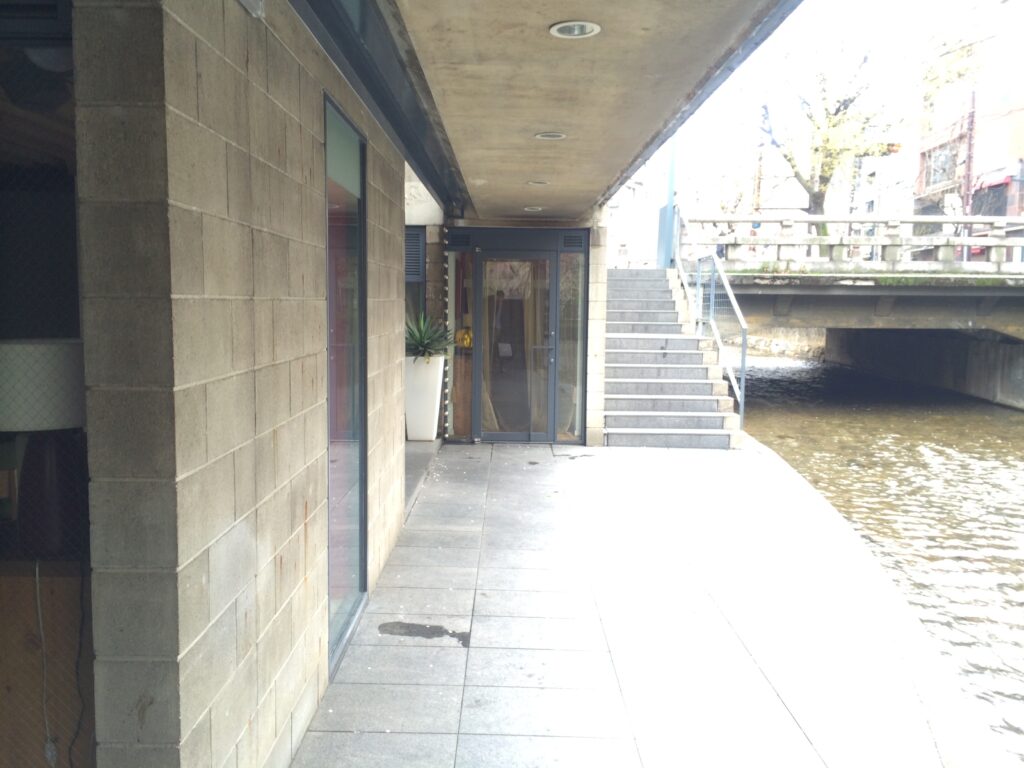
その一方で、開口部から視線を外へ向ければ、高瀬川や木々が再び現れる。完全に閉ざされた内部と完全な外部を分けるのではなく、その中間のような場所が連続している。TIME’Sを歩いていると、自分が建物の「中」にいるのか「外」にいるのか分からなくなる瞬間が何度もあった。
Turn your eyes toward an opening, however, and the Takase River and surrounding trees appear once again. Rather than clearly separating interior from exterior, TIME’S creates a sequence of spaces that seem to exist somewhere between the two. Walking through the building, there are moments when it becomes difficult to say whether you are truly “inside” or “outside.”
6.水辺へ向かって降りていく
Descending Toward the Water
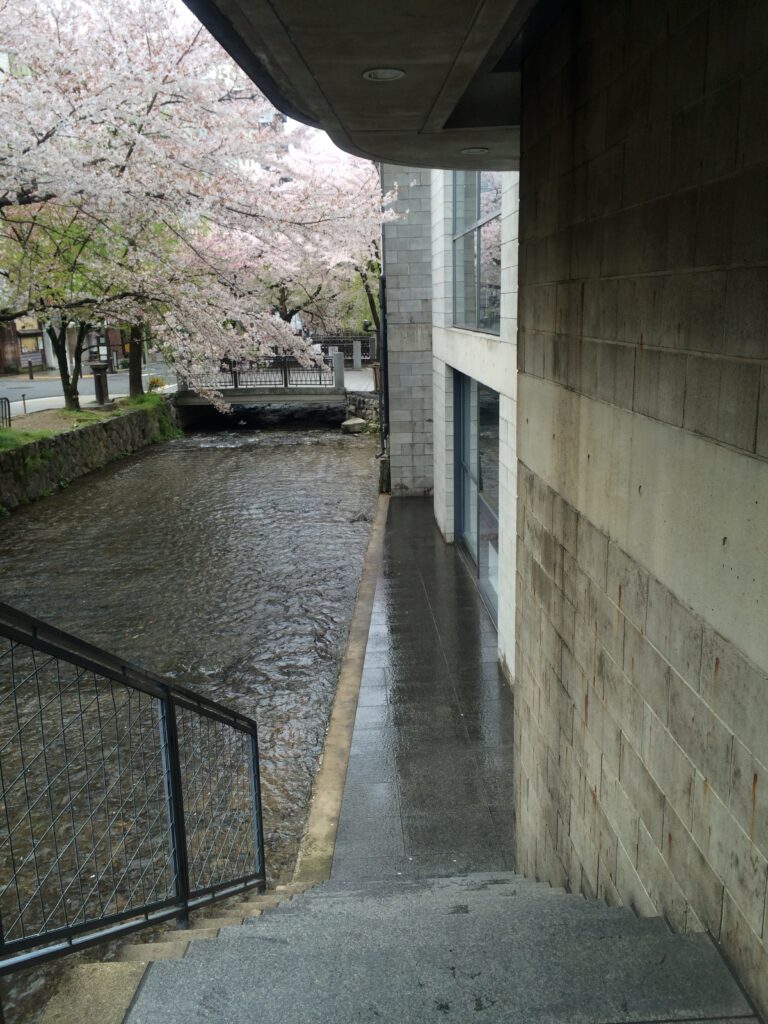
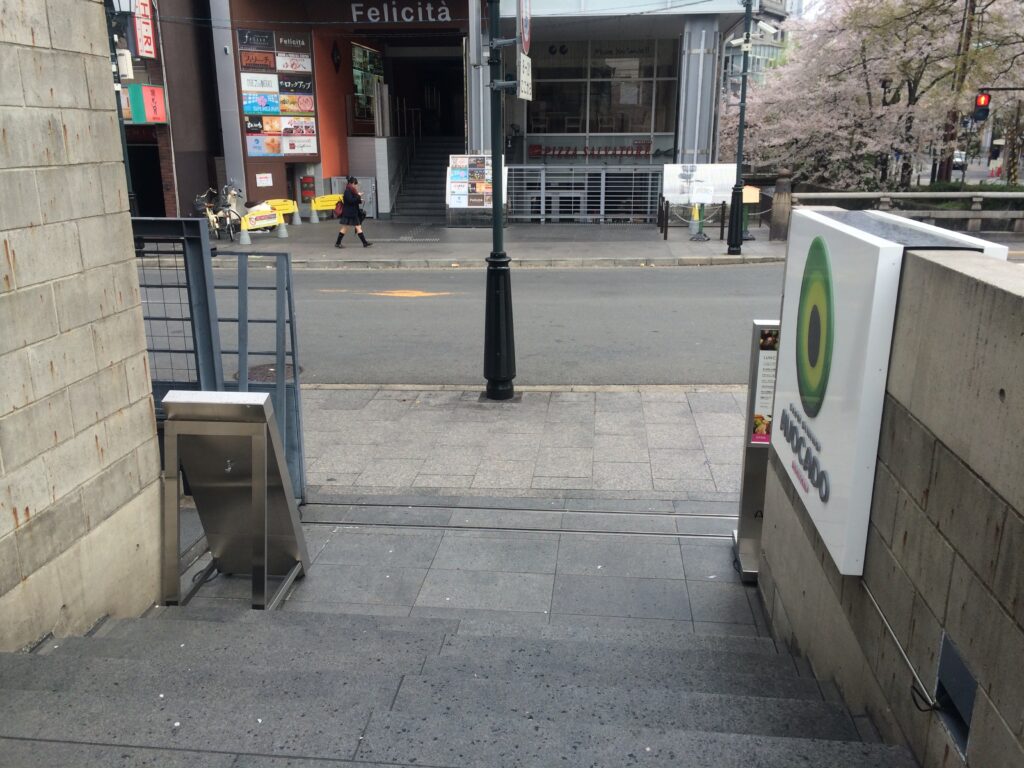
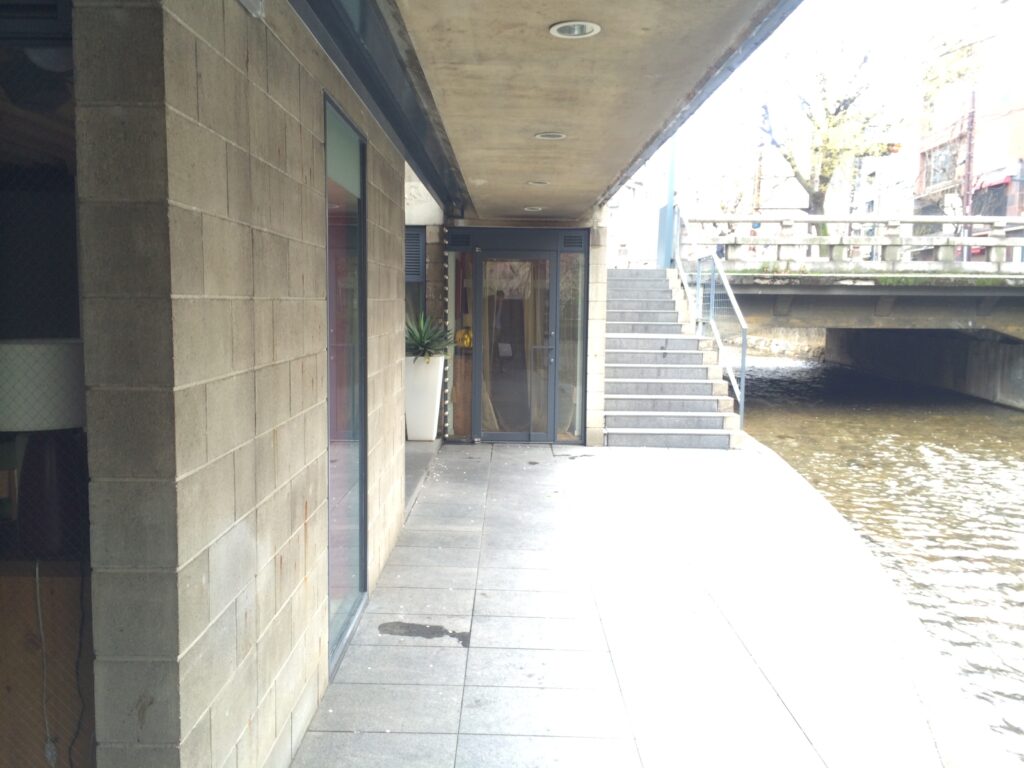
さらに階段を降りると、高瀬川の水面がそれまで以上に近づいてくる。街路から見下ろしていた川へ、建築の中を歩きながら少しずつ身体の高さを合わせていく。この垂直方向の移動が、TIME’Sの体験の中でも特に印象的だった。
単に地下階へ降りているのではない。階段を一段ずつ進むことで、京都の街の高さから高瀬川の高さへと身体が移動していく。建築が、人と川との距離を調整する装置になっているように感じられる。
Descending farther, the surface of the Takase River moves even closer. From the level of the street, where the river is seen from above, the architecture gradually brings the body down toward the level of the water. This vertical movement was one of the most memorable parts of my experience at TIME’S.
It does not feel as though you are simply walking down to a lower floor. Step by step, your body moves from the level of the city toward the level of the river. The architecture becomes a device for adjusting the physical distance between a person and the water.
7.コンクリートの隙間から見る川
Seeing the River Through Concrete
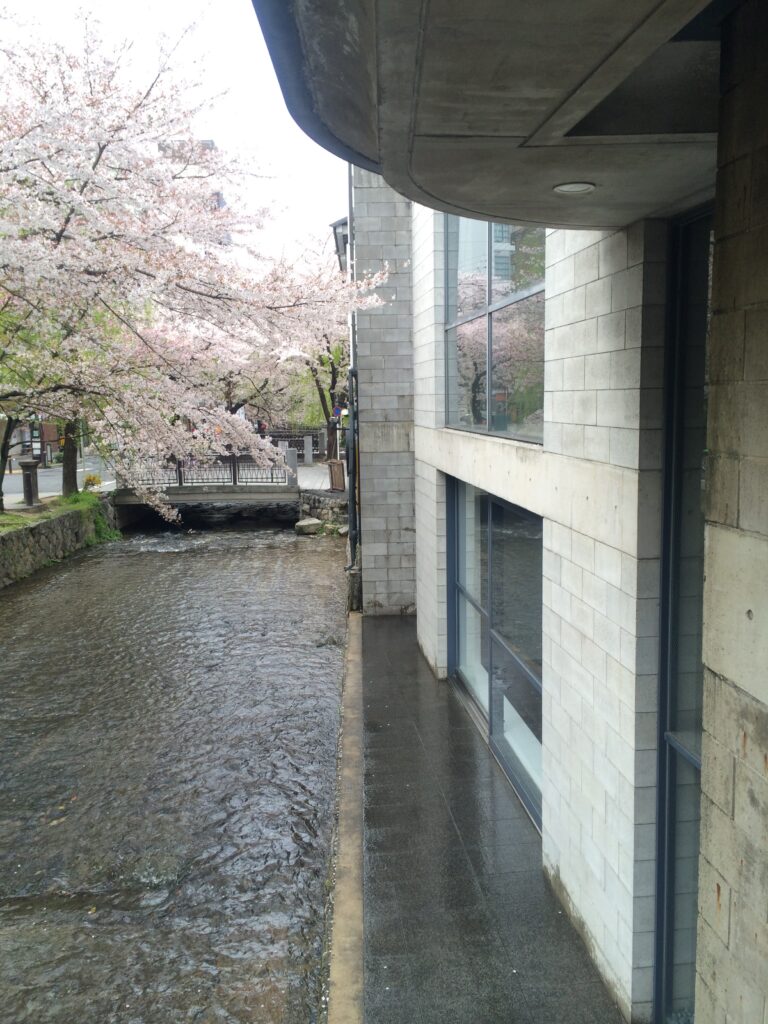
下のレベルへ来ると、コンクリートの梁や壁によって切り取られた先に高瀬川が見える。川を大きな窓から一望させるのではなく、建築の隙間から断片的に見せることで、むしろ水の存在が強く意識される。
京都の街を歩いているときには当たり前のように存在していた高瀬川が、TIME’Sの中では特別な風景に変わる。自然そのものをつくるのではなく、もともとそこにある自然の「見え方」を建築によって変える。安藤建築で繰り返し感じる考え方が、ここにも現れているように思う。
At the lower level, the Takase River appears through openings framed by concrete beams and walls. Rather than presenting the river through one large panoramic window, TIME’S allows it to appear in fragments. Paradoxically, this makes the presence of the water even stronger.
While walking through Kyoto, the Takase River can easily become part of the familiar urban background. Inside TIME’S, however, it becomes something special. The architecture does not create nature; instead, it changes the way we perceive the nature that was already there. This is an idea I have encountered repeatedly in Tadao Ando’s architecture, and it is particularly clear here.
8.暗い通路の向こうにある光
Light at the End of a Dark Passage
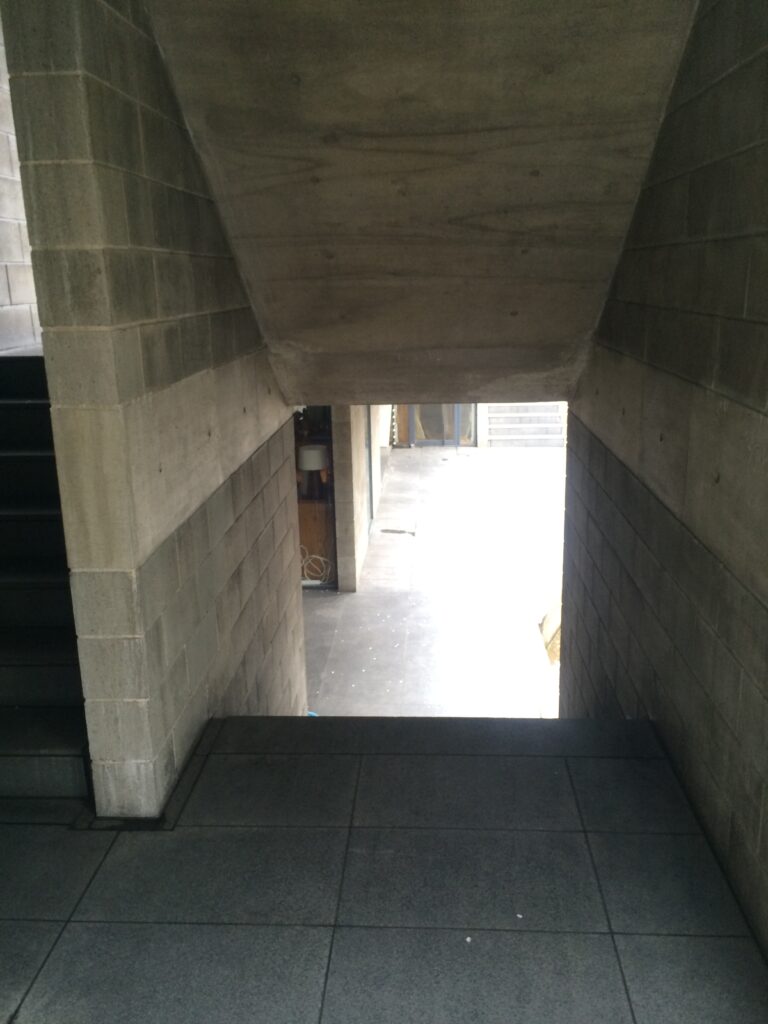
TIME’Sの内部には、先が完全には見えない通路がいくつもある。コンクリートに囲まれた暗い場所を進むと、その先に強い光が現れる。何があるのか分からないからこそ、自然とその方向へ歩いてしまう。
風の教会でも感じたことだが、安藤忠雄の建築では「目的地」だけではなく、そこへ至るまでの時間そのものが設計されている。TIME’Sではそれがさらに複雑で、街、水、光、店舗、階段が重なりながら、人を次の場所へと導いていく。
TIME’S contains several passages whose destinations are not immediately visible. Walking through a dark space surrounded by concrete, a strong area of daylight suddenly appears ahead. Because you cannot fully see what lies beyond it, you are naturally drawn in that direction.
As I also felt at the Church of the Wind, Ando’s architecture is often concerned not only with the destination but with the time and movement required to reach it. At TIME’S, that sequence becomes more complex, as the city, water, light, shops, passages, and stairs overlap and continually lead the body toward another place.
9.上下に交差する動線
Circulation Crossing at Different Levels
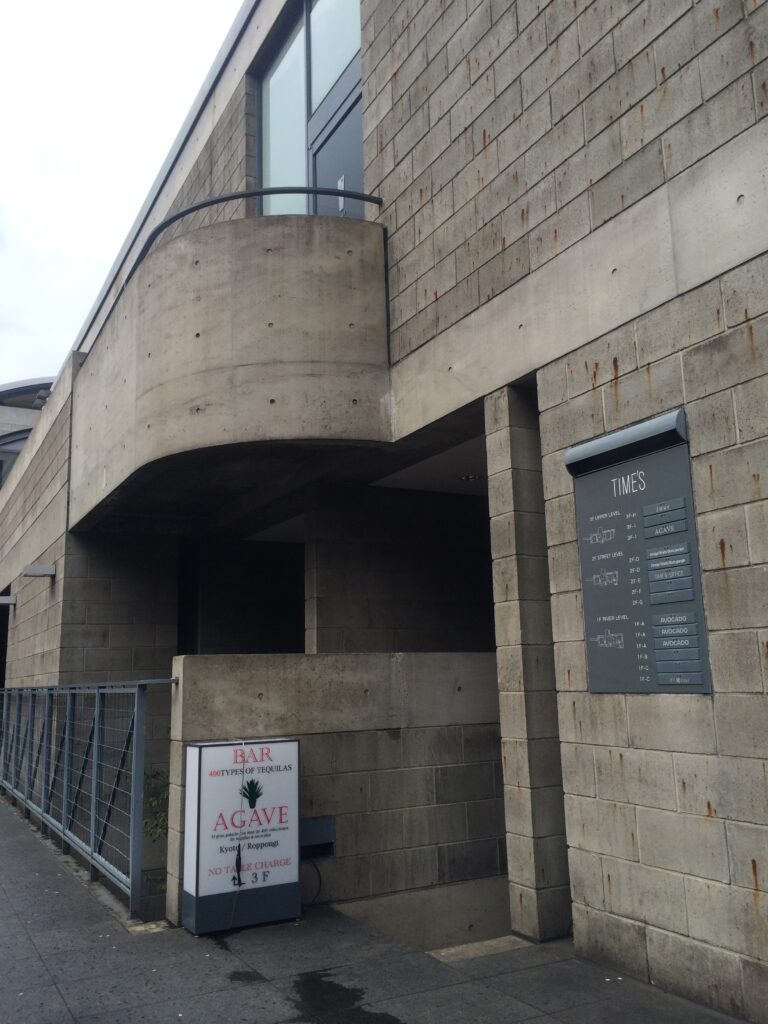
見上げると、別のレベルへ続く通路や階段が重なって見える。TIME’Sは平面的に歩くだけでは理解しにくい。上へ行ったり下へ行ったりすることで、同じ場所を異なる高さから何度も見ることになる。
一度通った場所が、次の瞬間には上から見下ろす風景になる。その積み重ねによって、少しずつ建築全体の構成が頭の中につくられていく。最初は迷路のように感じた空間が、歩くほどに理解できるようになる過程も面白い。
Looking upward, passages and stairs leading to other levels overlap within the same view. TIME’S is difficult to understand by moving only horizontally. By repeatedly going up and down, you encounter the same places from different heights.
A passage you walked through moments earlier may suddenly appear below you. Through these repeated changes in viewpoint, the overall composition of the building gradually begins to form in your mind. A space that initially seemed like a maze slowly becomes understandable through the act of walking.
10.街と川をつなぐ細い通路
A Narrow Passage Between the City and the River
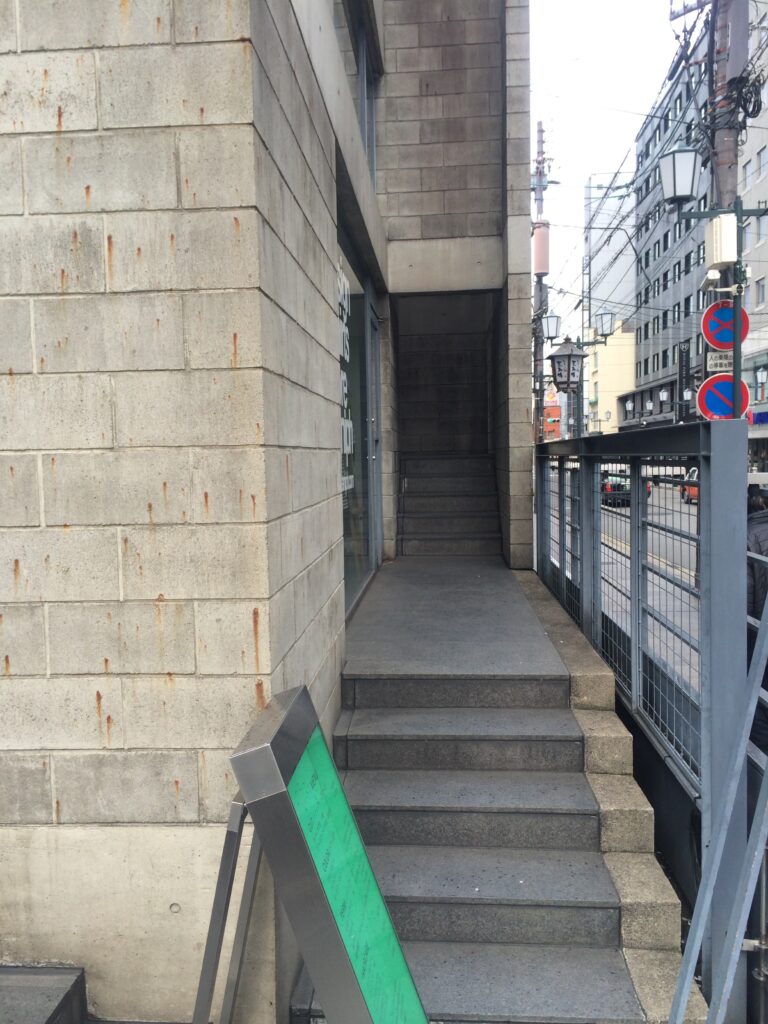
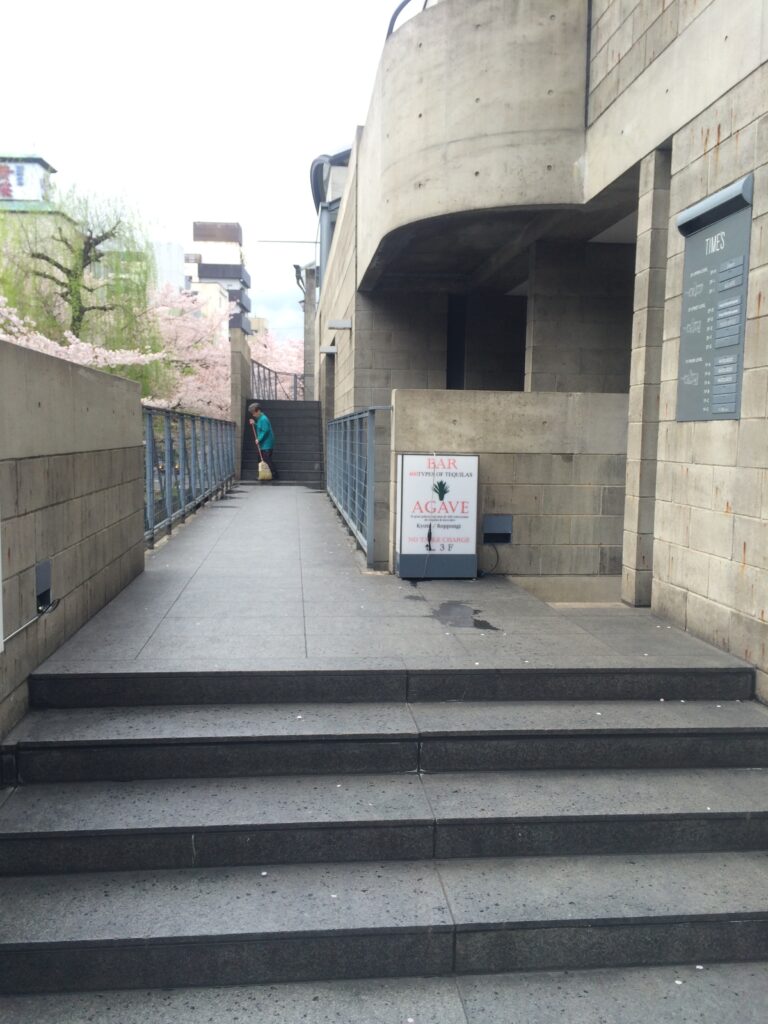
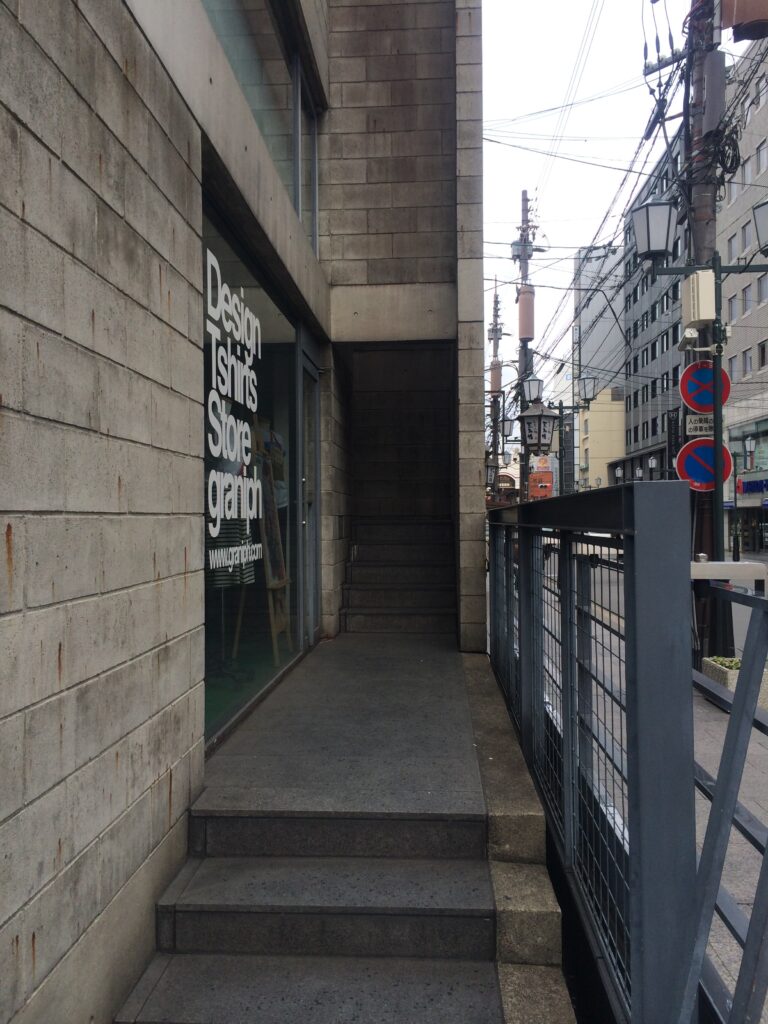
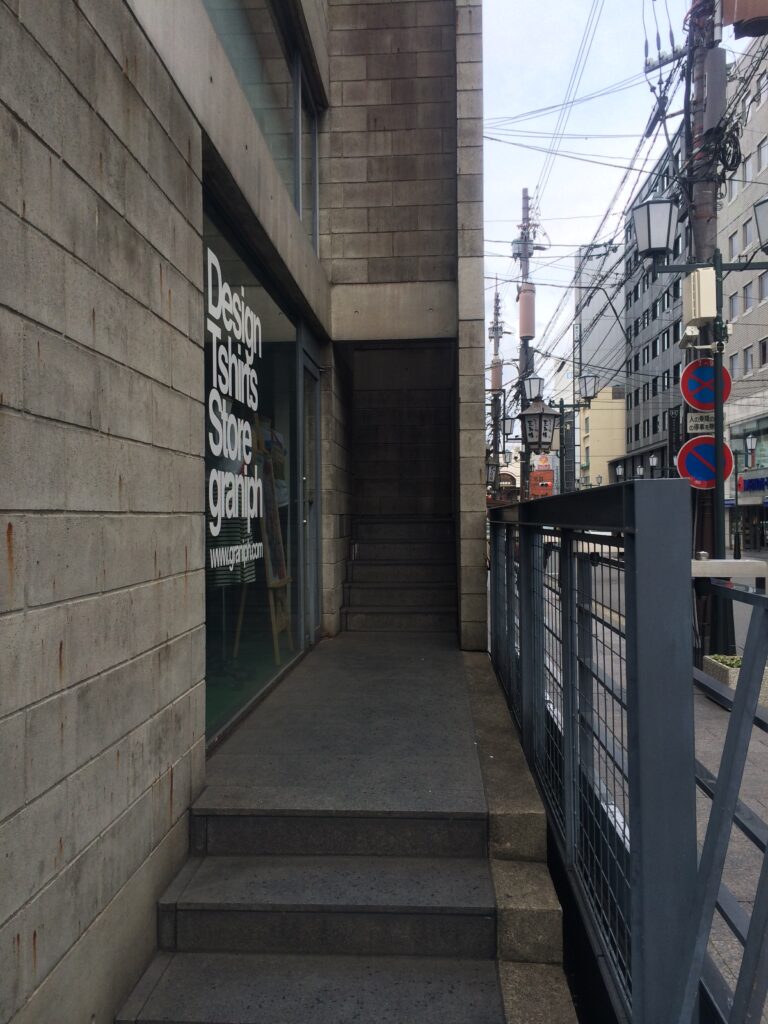
TIME’Sには、建物の外周を縫うような細い通路もある。一方にはコンクリートの壁、もう一方には京都の街。決して広い場所ではないが、この狭さによって身体と建築との距離が近く感じられる。
巨大な美術館のようなスケールではなく、人ひとりが歩くための幅や階段の高さといった小さな寸法の積み重ねによって空間がつくられている。商業建築という日常的な用途だからこそ、こうした身体的なスケールがより強く感じられた。
TIME’S also contains narrow passages that weave around the edges of the building. Concrete may be immediately beside you on one side, with the city of Kyoto opening on the other. These are not generous spaces, but their narrowness makes the relationship between the body and the architecture particularly direct.
This is not the scale of a monumental museum. Instead, the architecture is created through the accumulation of smaller dimensions: the width needed for one person to walk, the height of a step, the distance between a wall and the body. Perhaps because TIME’S is a commercial building embedded in everyday urban life, this human scale feels especially powerful.
11.TIME’S IとII、時間を重ねた建築
TIME’S I and II — Architecture Built Over Time
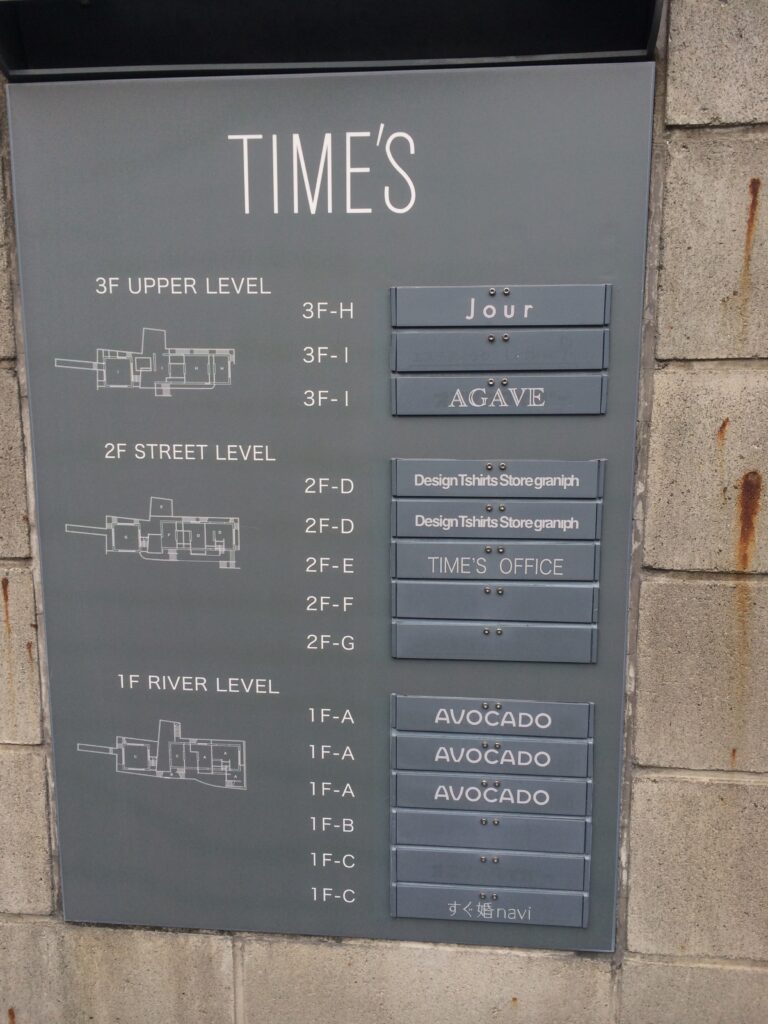
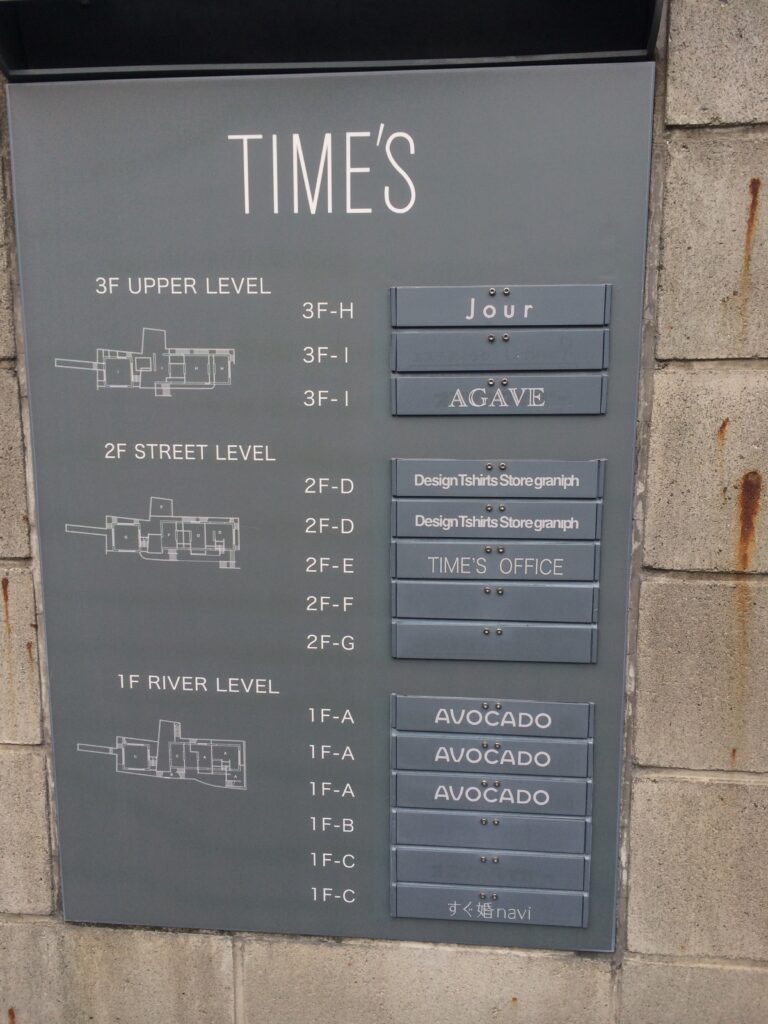
TIME’Sは一度に完成した建築ではない。1984年にTIME’S Iが完成し、7年後の1991年にTIME’S IIが加わった。現在の複雑な構成は、異なる時間に建てられた二つの建築がつながることで生まれている。
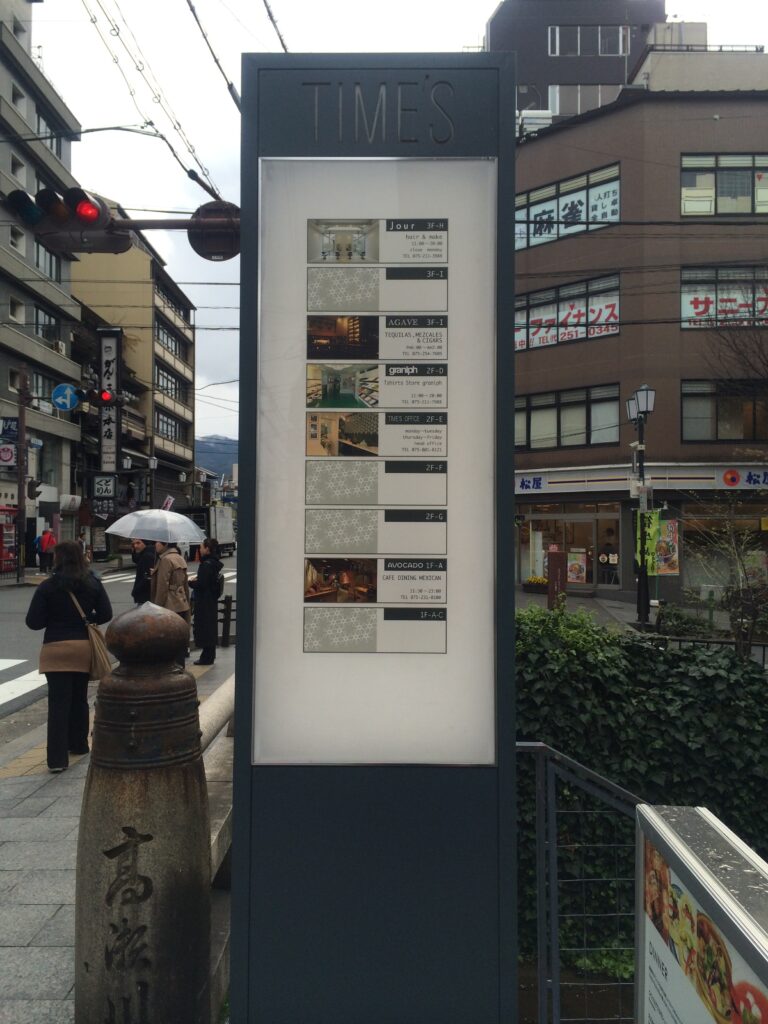
館内案内を見ると、複数の階と店舗が複雑に組み合わされていることが改めて分かる。しかし実際に歩いていると、IとIIの境界を意識するよりも、ひとつの連続した街のように感じられる。時間をかけて増築されたこと自体が、この建築の迷路的な魅力につながっているのかもしれない。
TIME’S was not completed all at once. TIME’S I was finished in 1984, and TIME’S II was added seven years later in 1991. The complex spatial composition experienced today emerged through the connection of architecture built at two different moments in time.
Looking at the directory, the complexity of its multiple levels and shops becomes apparent. Yet while walking through the building, I was less conscious of a boundary between TIME’S I and II than of moving through a single continuous environment. Perhaps the fact that the building itself developed over time contributes to its labyrinthine character.
12.再び京都の街へ
Returning to the Streets of Kyoto
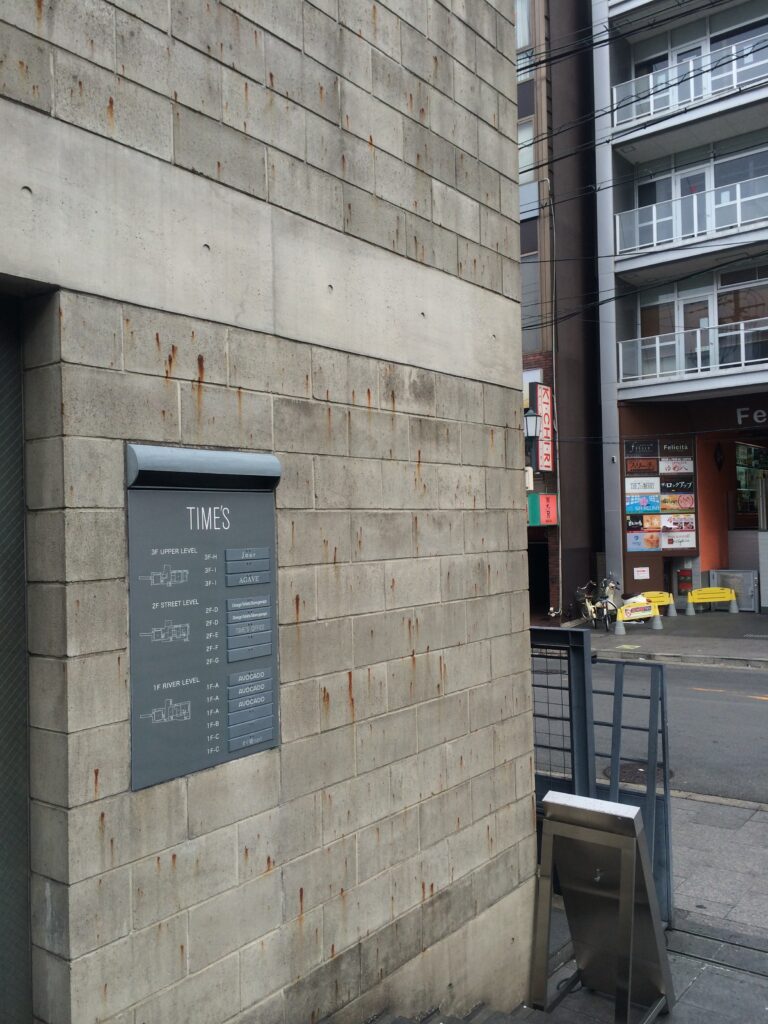
建築の中を歩き、水辺まで降り、再び上のレベルへ戻ってくると、最初に歩いていた京都の街が見える。TIME’Sへ入る前と同じ街なのに、高瀬川との距離を身体で経験した後では少し違って感じられる。
川は最初からそこにあった。TIME’Sがつくったのは高瀬川そのものではなく、私たちがその川と出会うための道筋なのだと思う。都市の中にある自然を建築によって発見し直す。その体験こそがTIME’Sの最大の魅力なのかもしれない。
After walking through the architecture, descending toward the river, and eventually returning to the upper level, the streets of Kyoto come back into view. They are the same streets that were there before entering TIME’S, yet after experiencing the Takase River at such close range, they somehow feel slightly different.
The river had always been there. What TIME’S created was not the Takase River itself, but a sequence through which we could encounter it differently. Architecture allows us to rediscover nature already present within the city. That may be one of the most compelling qualities of TIME’S.
My Impression
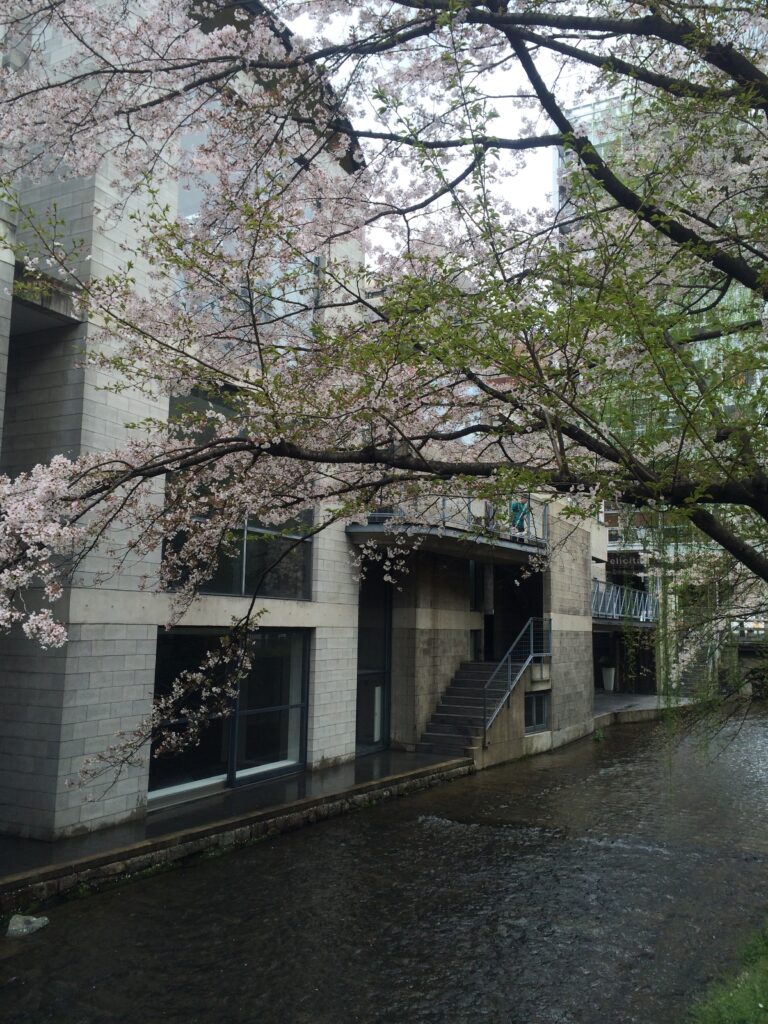
TIME’Sで最も印象に残ったのは、建物そのもの以上に、高瀬川との距離が少しずつ変化していく感覚だった。京都の街を歩いているときには何気なく眺めていた川が、建築へ入り、階段を降り、暗い通路を抜けるうちに、いつの間にか自分のすぐ横を流れている。
美術館や教会のような特別な目的を持つ建築ではなく、TIME’Sは街の中にある商業施設だ。それでも、ただ買い物をするための場所ではなく、歩くことによって京都という街や高瀬川の存在を改めて感じさせてくれる。建築が新しい風景をつくるのではなく、そこに昔からあった風景の価値を気づかせてくれる。TIME’Sを歩き終えたとき、そんな安藤建築の面白さを強く感じた。
What stayed with me most strongly at TIME’S was not the building itself, but the gradual change in my physical relationship with the Takase River. While walking through Kyoto, the river had been something I casually looked at from the street. But after entering the architecture, descending stairs, and passing through shadowed corridors, I suddenly found the same river flowing immediately beside me.
TIME’S is not a museum or a church created for an extraordinary purpose. It is a commercial complex embedded in the everyday life of the city. Yet it offers far more than a place to shop: by walking through it, we become newly aware of Kyoto and of the river that has always flowed through the city. Rather than creating a new landscape, the architecture makes us notice the value of a landscape that was already there. Walking away from TIME’S, I felt once again how powerful this aspect of Tadao Ando’s architecture can be.
Archive Gallery
本文では紹介しきれなかった写真を掲載しています。
建築を歩きながら出会った光や空間、その場の空気を記録したアーカイブです。
Additional photographs from this visit.
A collection of details, perspectives, and moments that complement the main article.