【安藤忠雄建築】光の教会(原寸大再現)|本物ではない建築に、本物の光が差し込む(Church of the Light – Full-Scale Replica | Real Light in an Unreal Church)
建築概要
Architecture Overview
- 名称:光の教会 原寸大インスタレーション
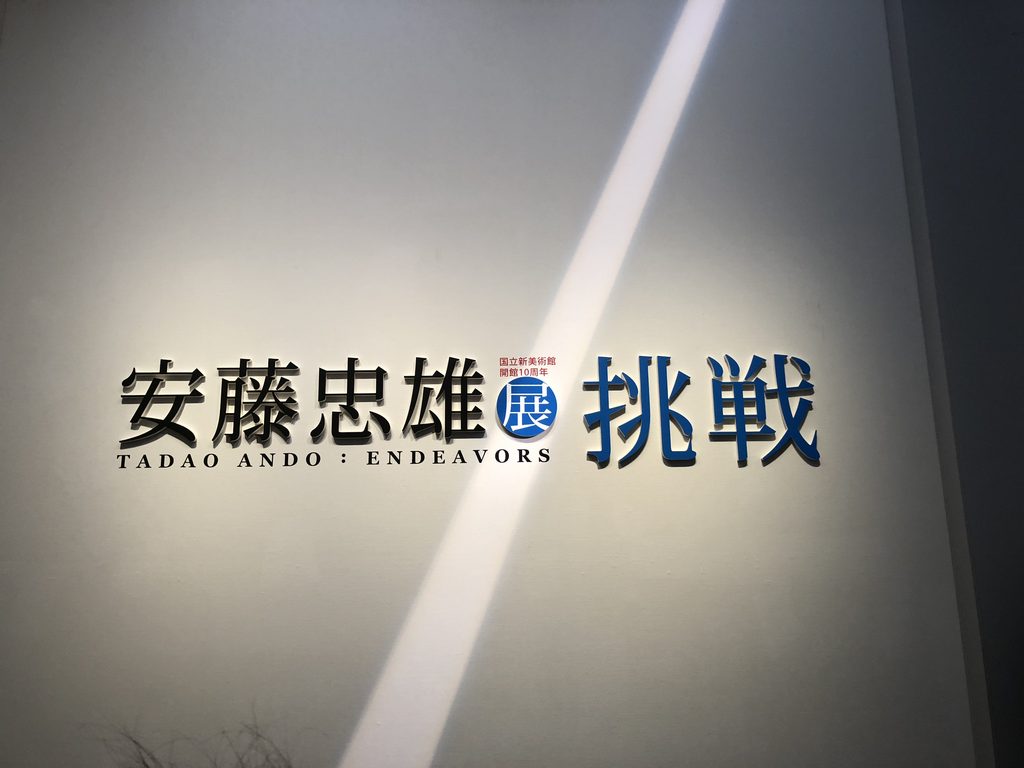
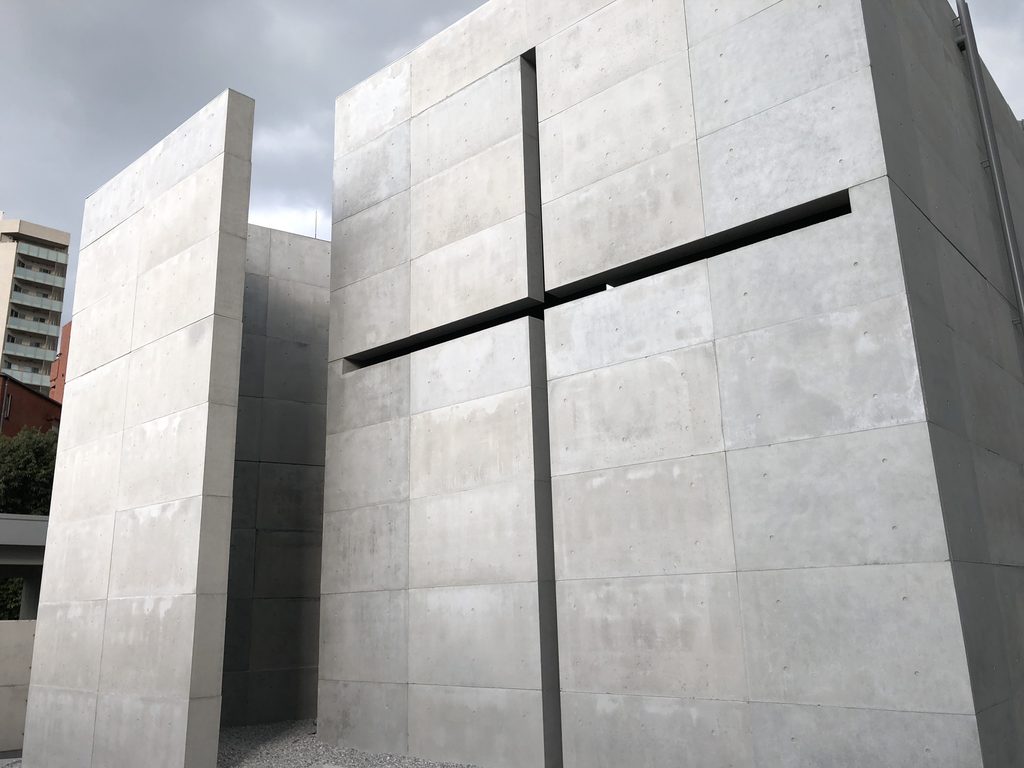
- 展覧会: 国立新美術館開館10周年 安藤忠雄展―挑戦―
- 設計:安藤忠雄
- 所在地:国立新美術館 野外展示場/東京都港区六本木
- 公開: 2017年9月27日〜12月18日
- 原作: 茨木春日丘教会「光の教会」(1989年)
- 用途:展覧会インスタレーション
- Name:Church of the Light – Full-Scale Replica
- Exhibition:TADAO ANDO: ENDEAVORS
- Architect:Tadao Ando
- Exhibition Period:September 27 – December 18, 2017
- Location:The National Art Center, Tokyo, Roppongi, Tokyo, Japan
- Original:Church of the Light, Ibaraki, Osaka, 1989
- Type:Full-Scale Exhibition Installation
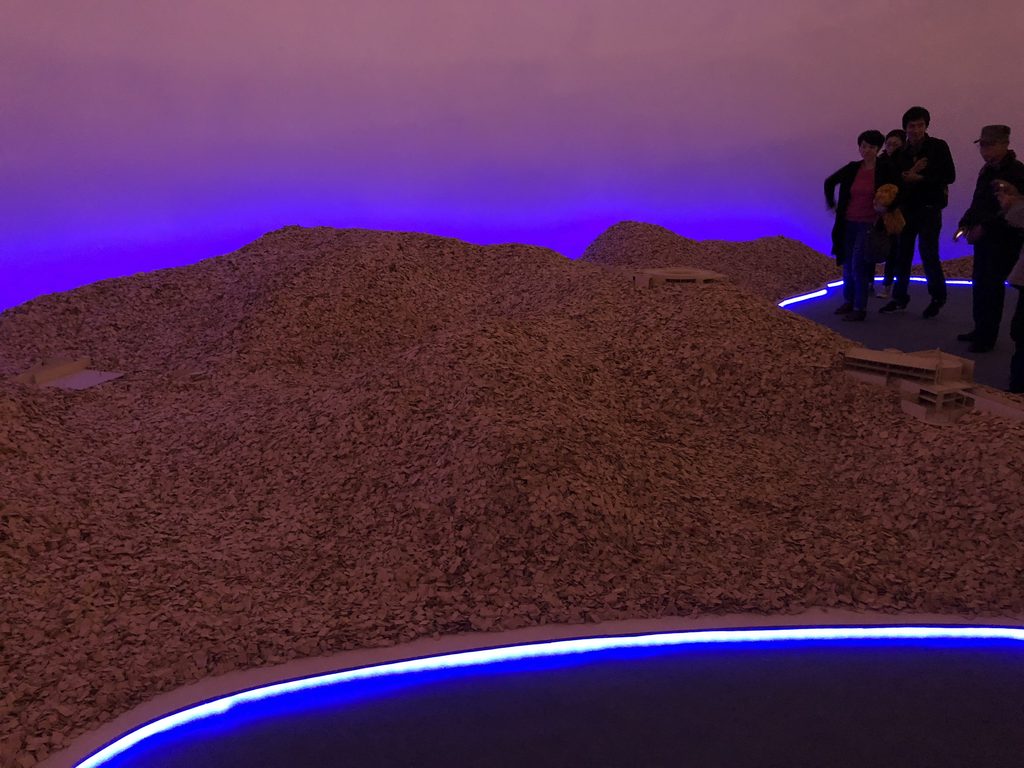
2017年、国立新美術館の開館10周年を記念して開催された「安藤忠雄展―挑戦―」では、安藤忠雄の約半世紀にわたる活動が、「原点/住まい」「光」「余白の空間」「場所を読む」「あるものを生かしてないものをつくる」「育てる」という6つのセクションによって紹介された。模型、図面、スケッチなど200点を超える資料が展示され、その空間構成も安藤自身が手掛けている。
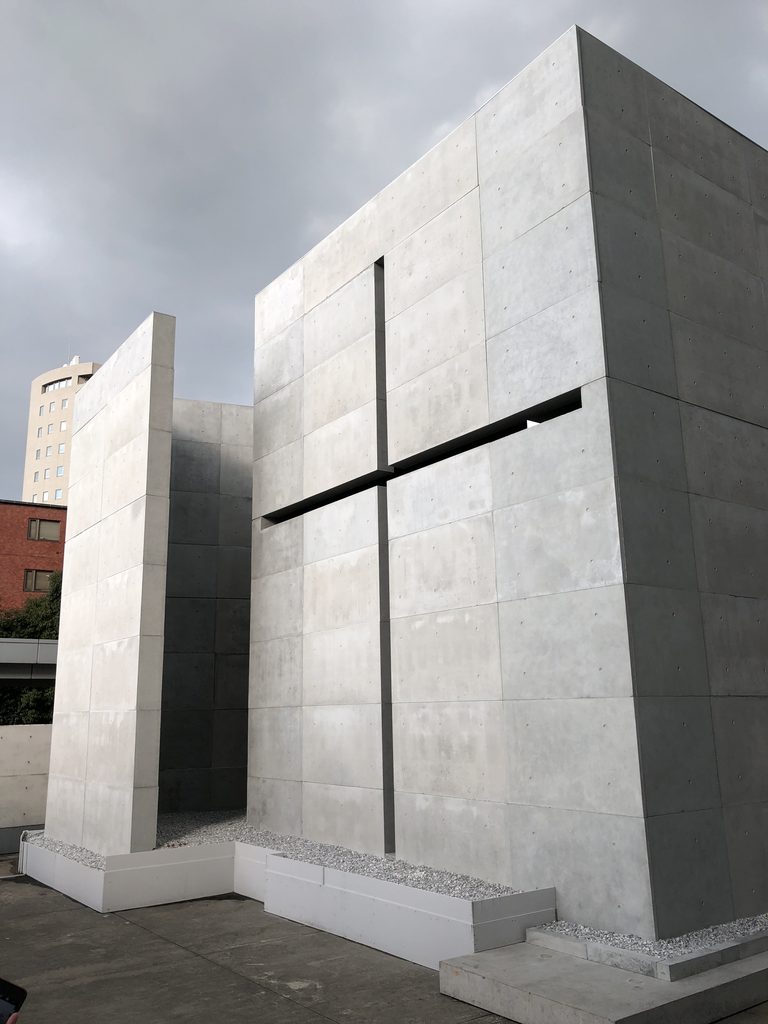
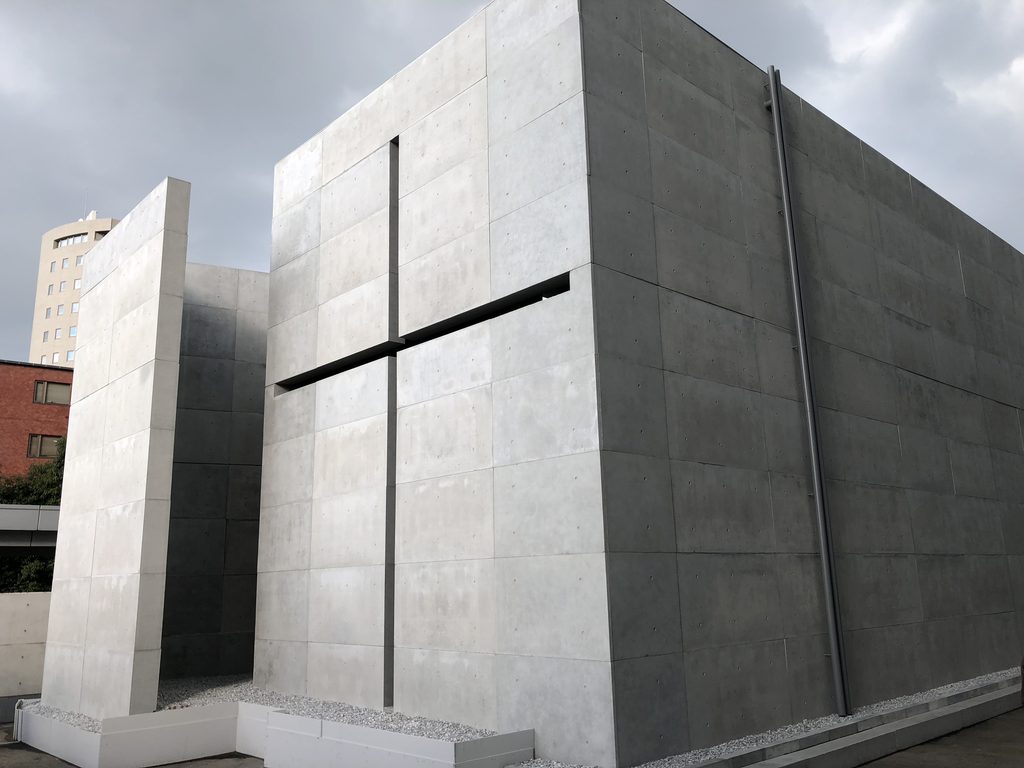
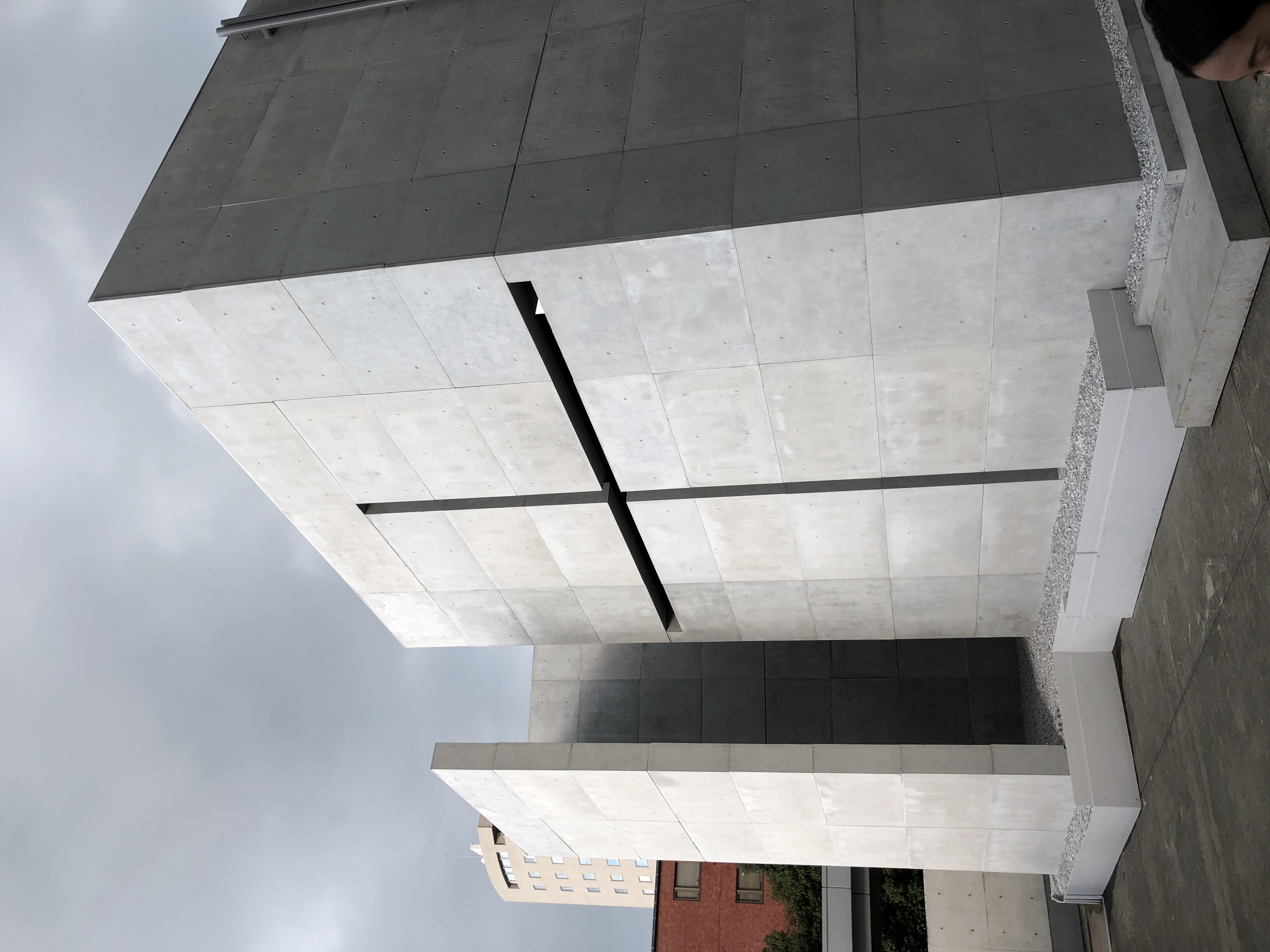
その中でも特別な存在だったのが、SECTION II「光」のために野外展示場へ建設された「光の教会」の原寸大再現である。大阪府茨木市に1989年に完成した実作を、模型や映像ではなく、人が内部へ入り、実際のスケールで体験できる建築として東京に再現した。国立新美術館の英語公式ページもこれを “a full-scale replica of the Church of the Light” と位置づけている。
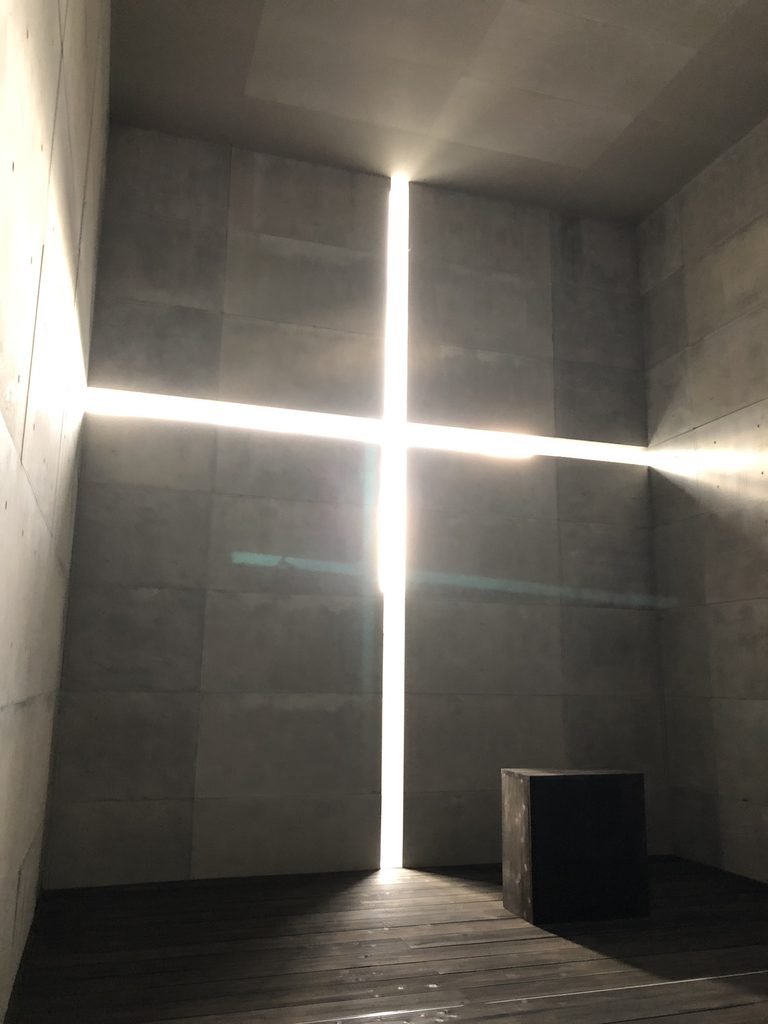
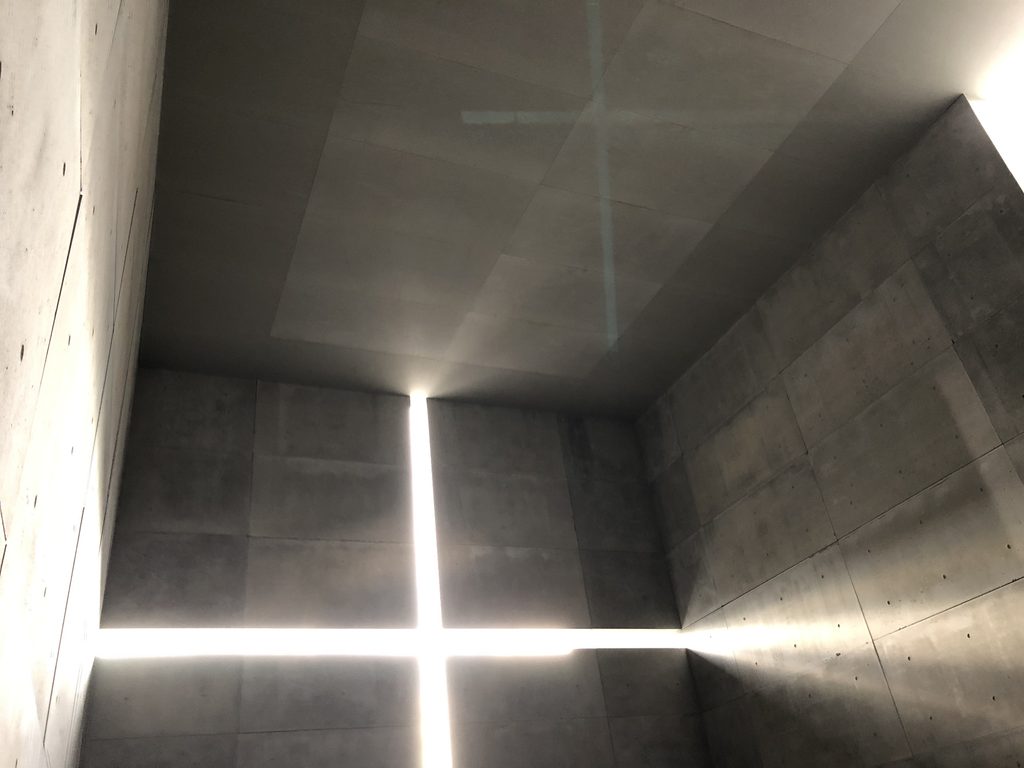
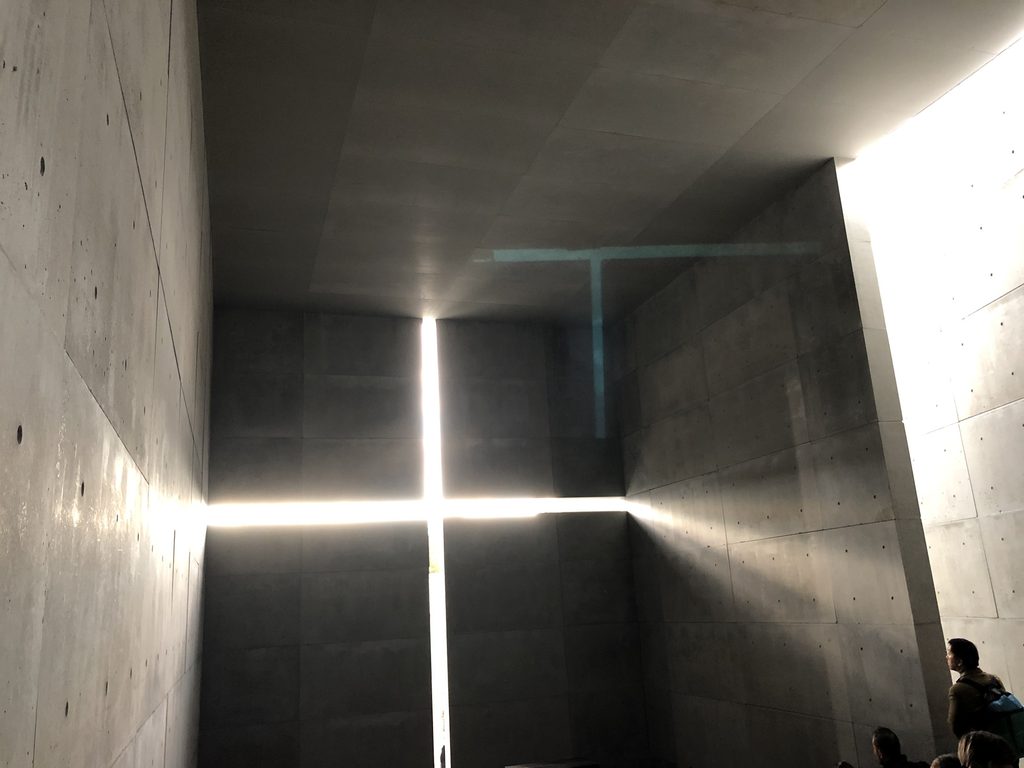
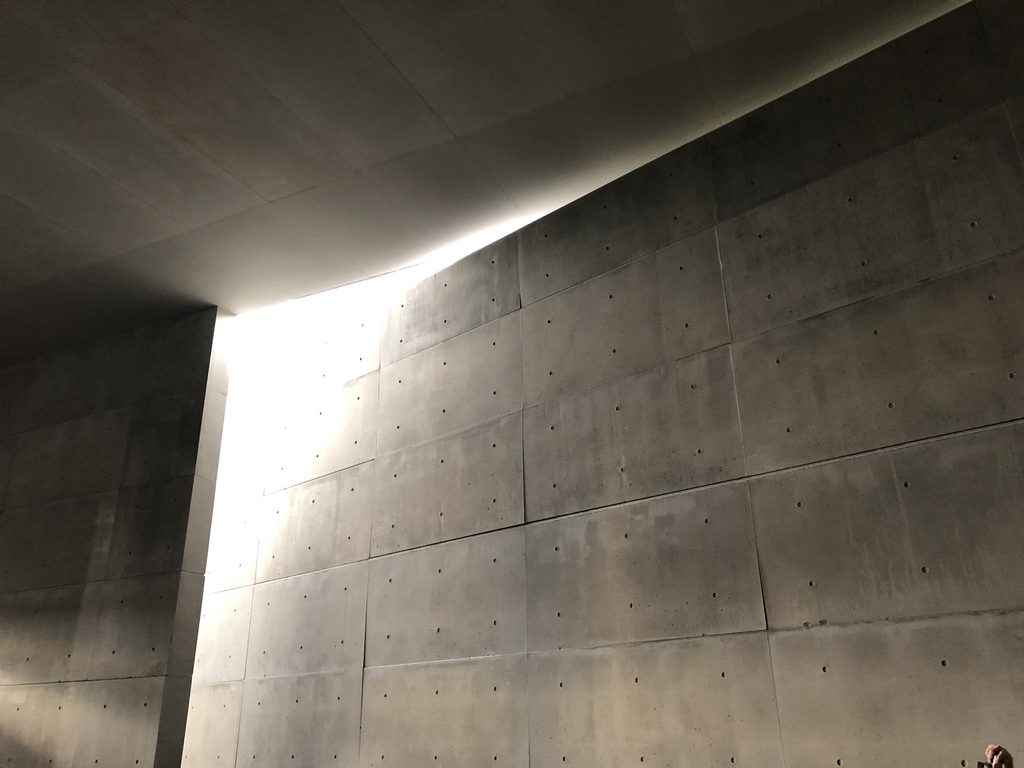
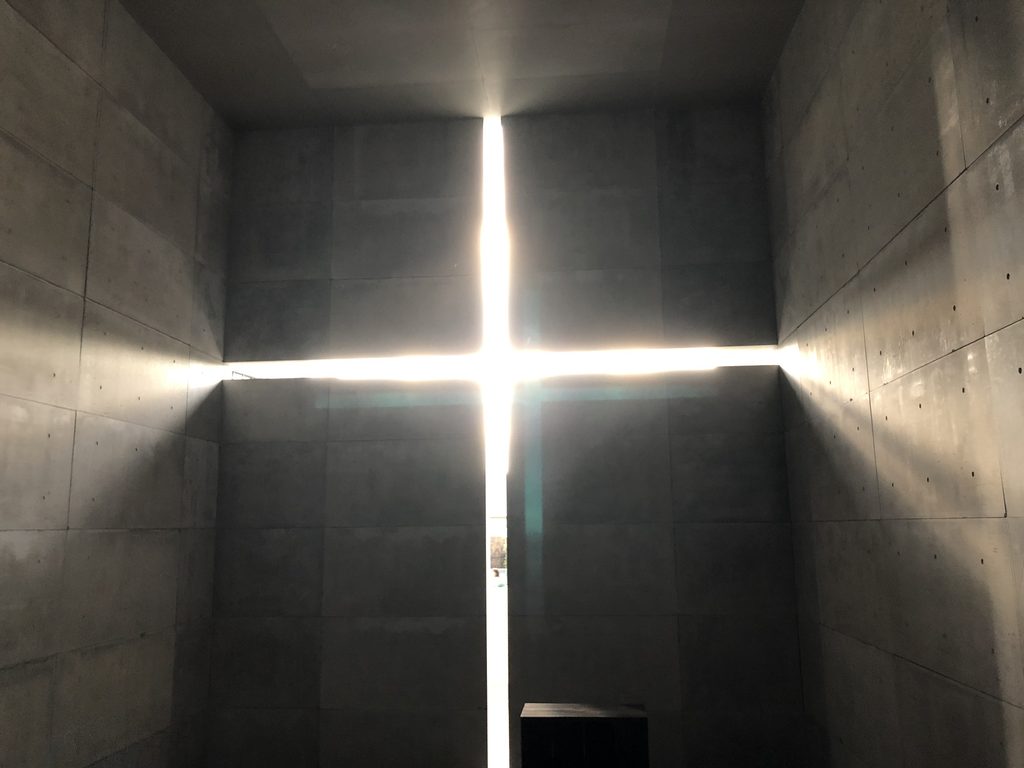
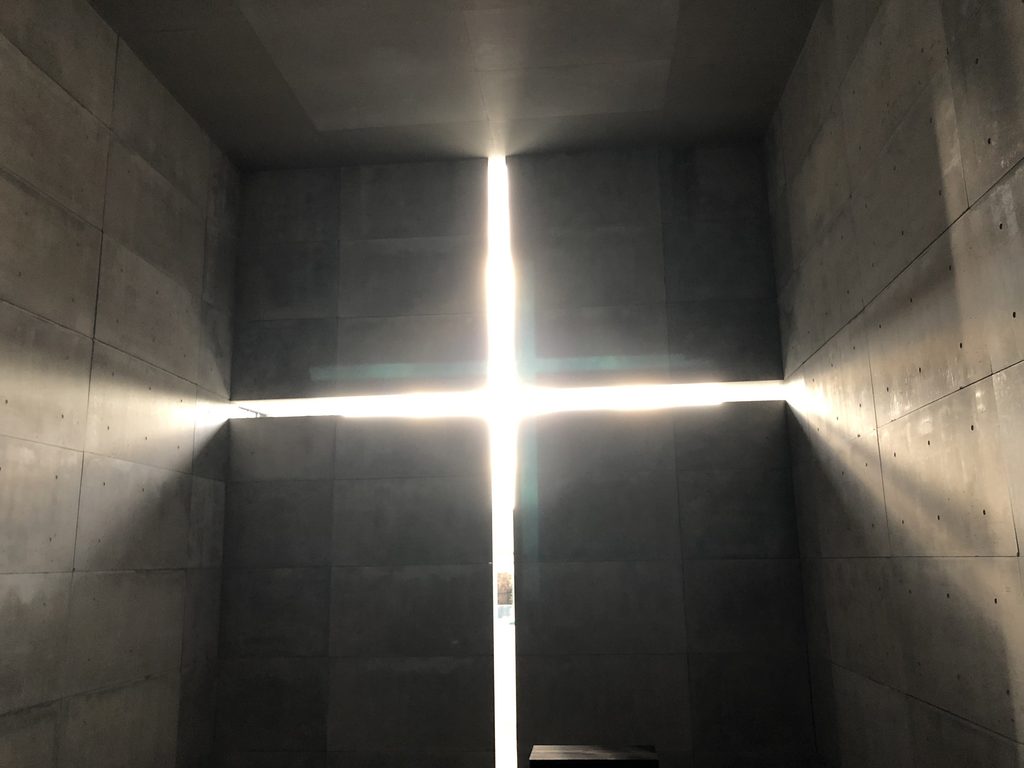
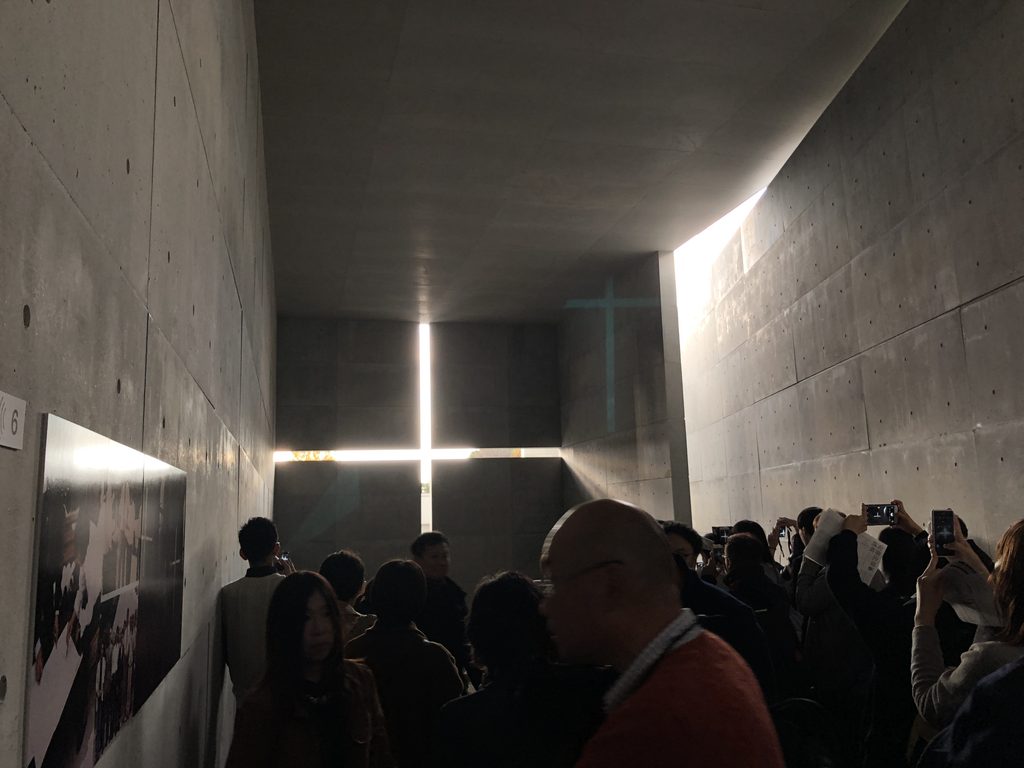
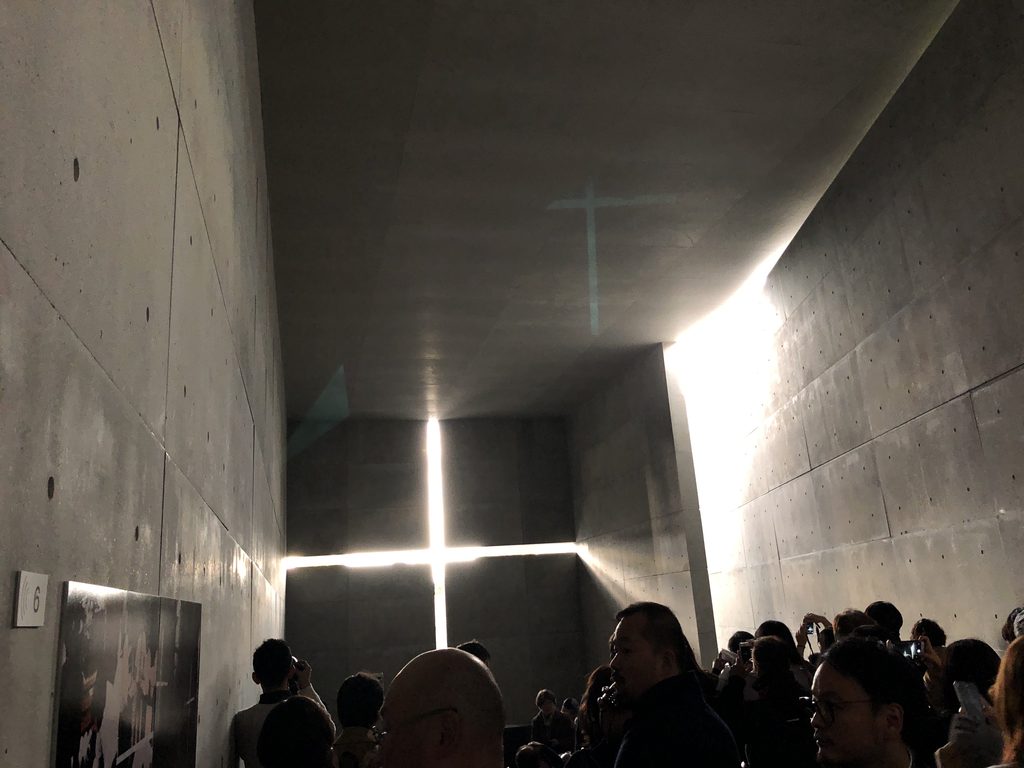
ここで再現されたのは、単なる「形」だけではない。コンクリートに囲まれた空間の大きさ、壁との距離、そして十字形のスリットを通って入ってくる自然光まで、身体を通して経験することができた。
本物の教会ではない。しかし、そこへ差し込む光は本物である。
期間限定で存在したこの建築は、「建築を再現するとは何か」という問いまで含んだ、安藤忠雄展ならではのインスタレーションだった。
In 2017, TADAO ANDO: ENDEAVORS was held at The National Art Center, Tokyo, presenting nearly half a century of Tadao Ando’s work through six sections. More than 200 drawings, models, sketches and other materials were exhibited in spaces designed by Ando himself.
At the center of Section II, “Light,” was an extraordinary installation: a full-scale reconstruction of the Church of the Light, originally completed in Ibaraki, Osaka, in 1989. Rather than presenting the church through photographs or a model, Ando recreated the space at full scale so visitors could physically enter it.
What was recreated was not simply a form. Visitors could experience the scale of the concrete enclosure, the distance to the front wall and natural light entering through the cruciform opening.
It was not the original church. But the light entering it was real.
This temporary installation therefore raised a fascinating question: how much of architecture can be recreated when its original place and history are absent?
1. 六本木に「光の教会」をもう一度つくる
Rebuilding the Church of the Light in Roppongi
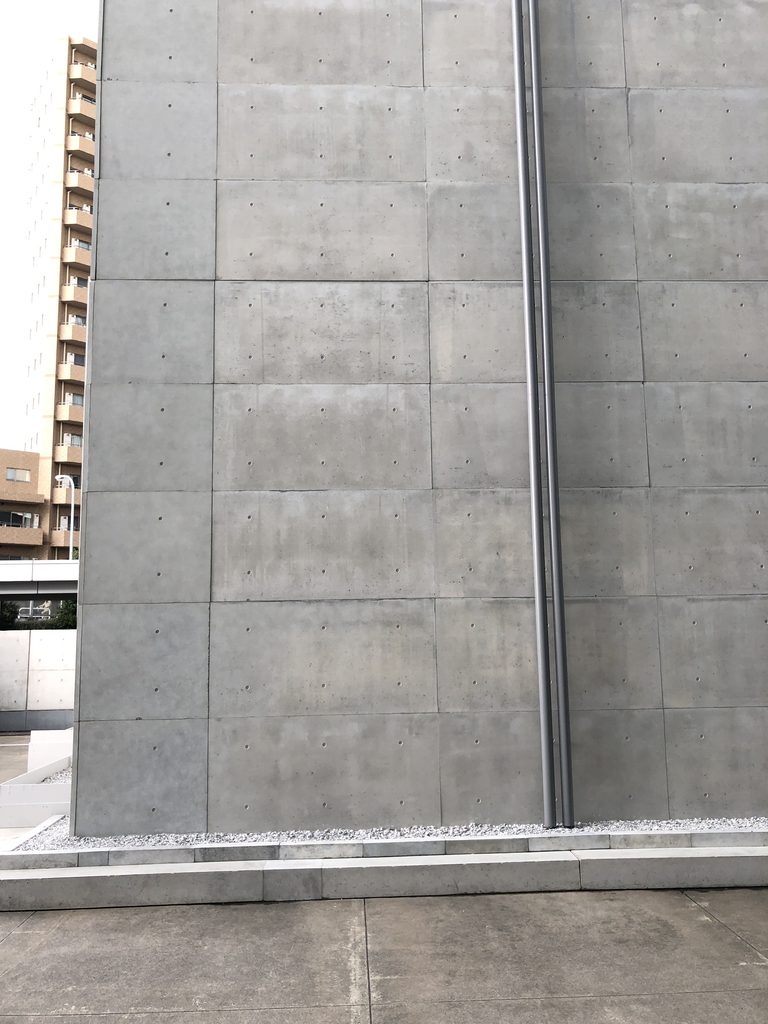
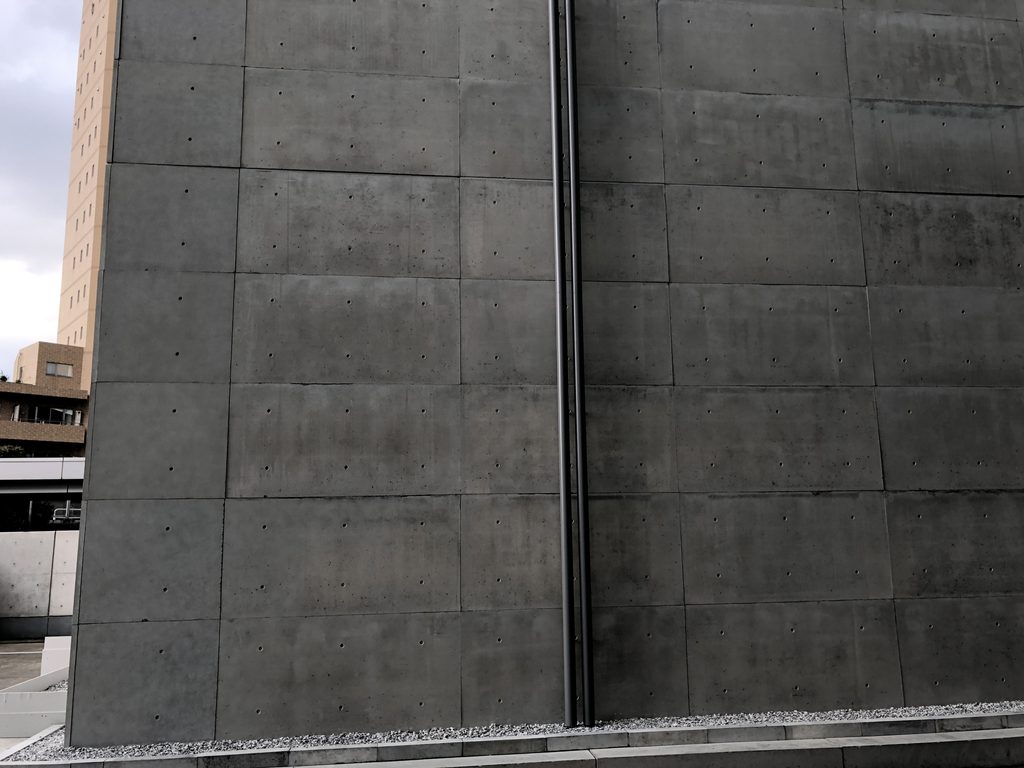
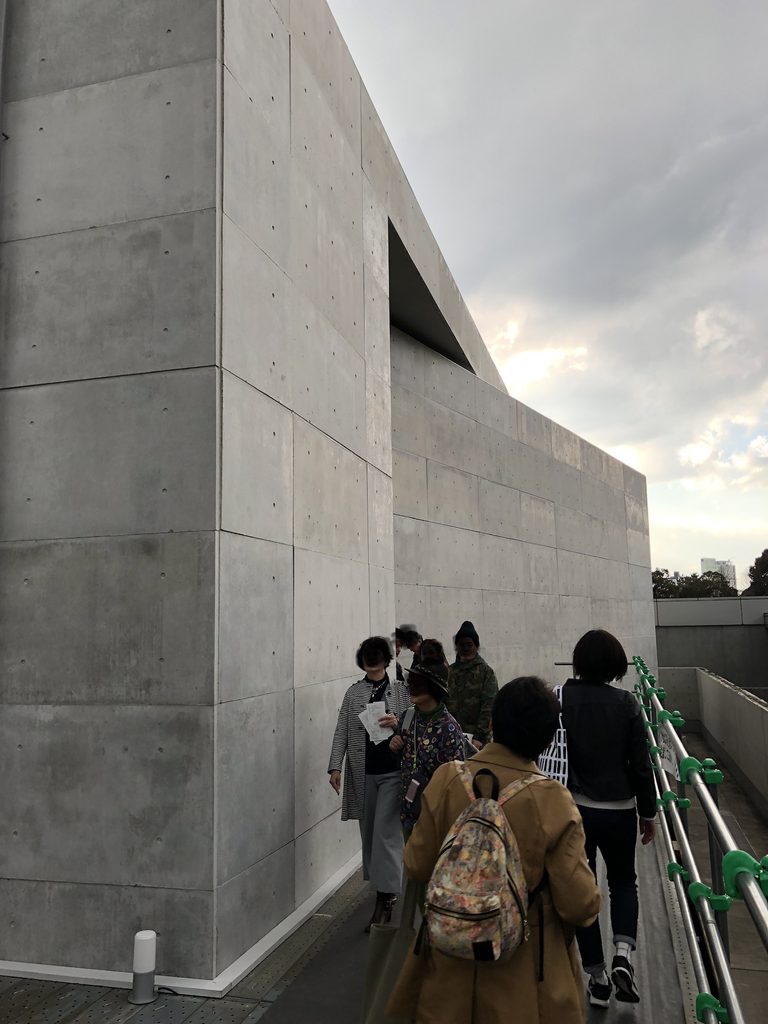
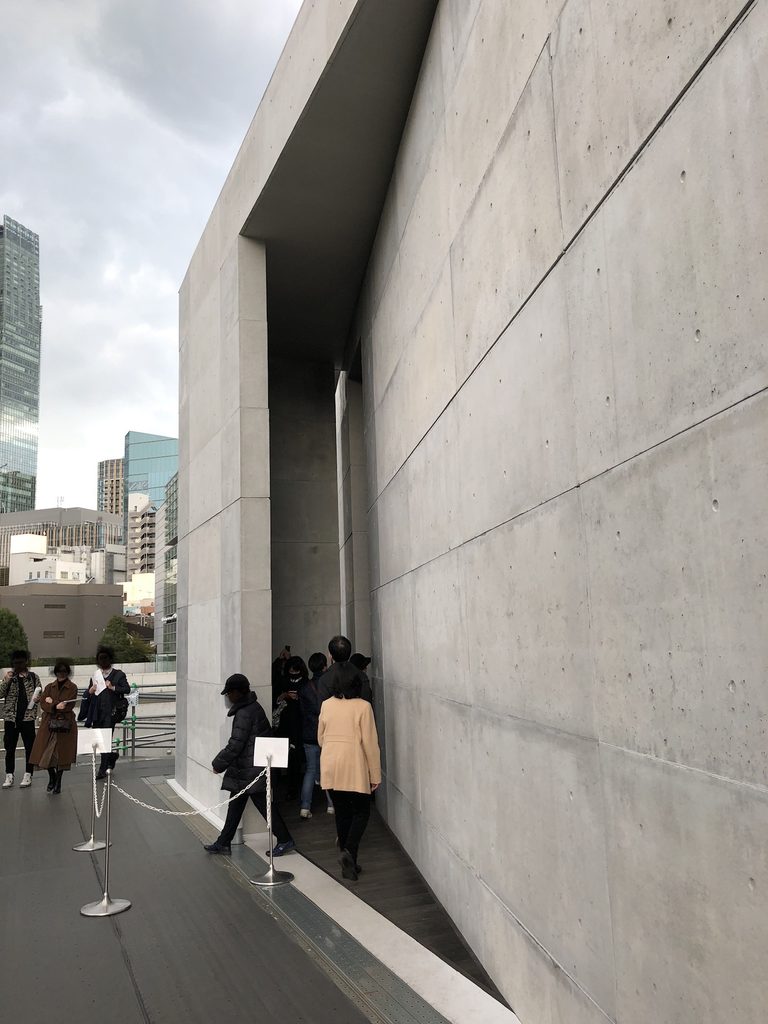
国立新美術館の野外展示場へ出ると、そこに現れたのは模型ではなく、人が実際に入ることのできるコンクリートの建築だった。
Outside The National Art Center stood not a model, but a concrete structure large enough to enter.
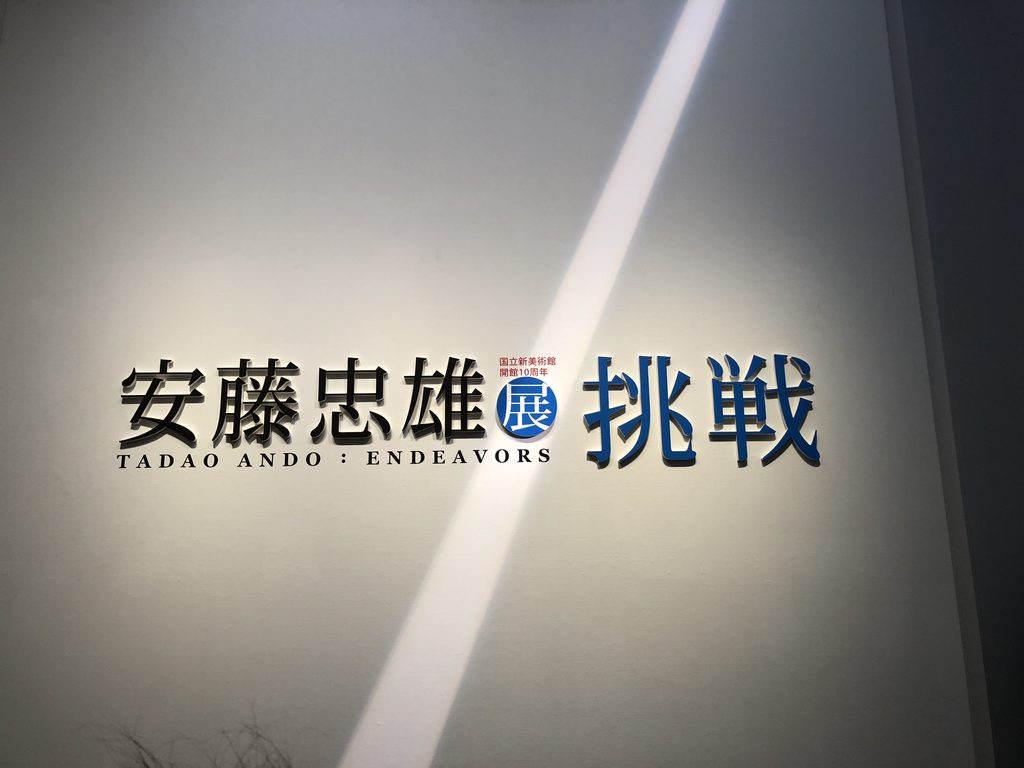
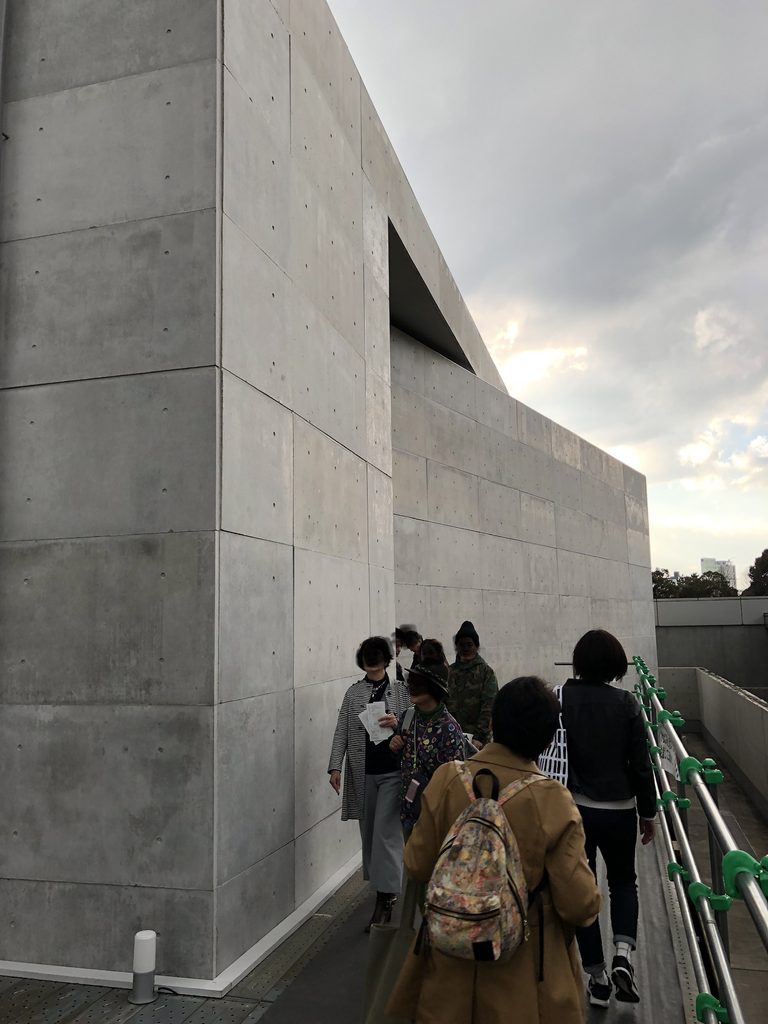
1989年に大阪・茨木につくられた「光の教会」を、東京・六本木に原寸大で再現する。
それだけでも、通常の建築展とは大きく異なる試みである。
The Church of the Light, built in Ibaraki in 1989, had been reconstructed at full scale in Roppongi.
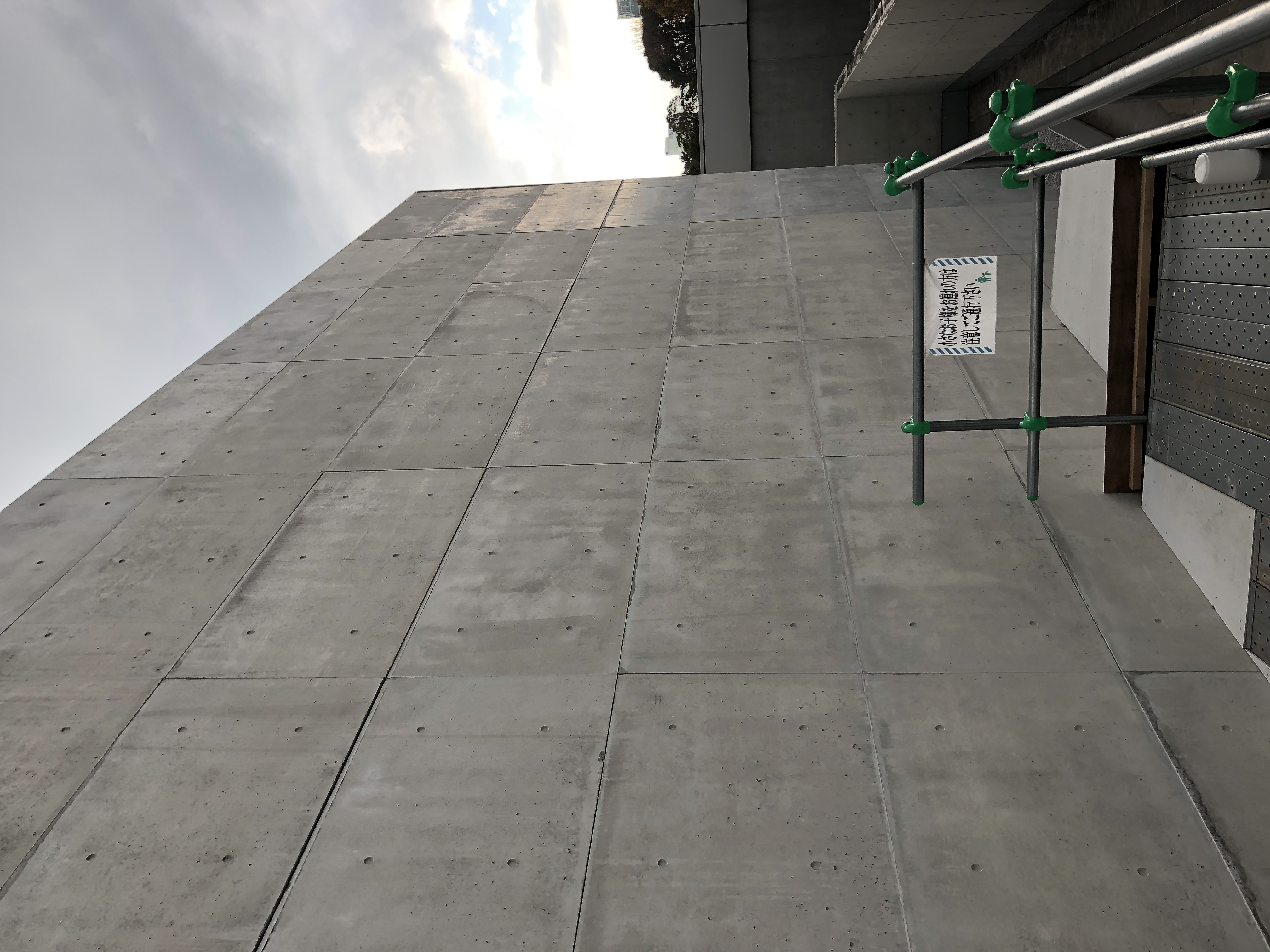
建築は本来、その場所から切り離すことができない。敷地、方角、光、周囲の環境まで含めて、一つの建築が成立している。
それにもかかわらず安藤は、自身の代表作を別の場所にもう一度建てた。
Architecture is normally inseparable from its site. Orientation, surroundings, climate and history all contribute to the experience of a building.
Yet Ando chose to build one of his most famous works again in another place.
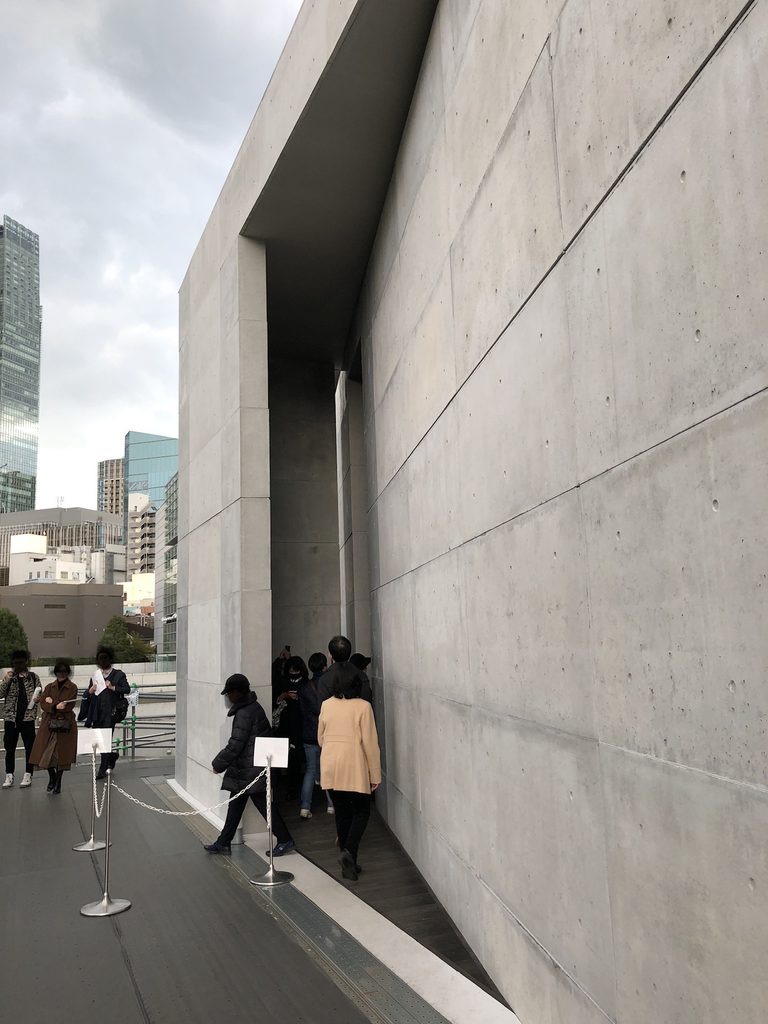
目的は、完成した姿を鑑賞させることだけではなかったのだと思う。
図面を見る。模型を見る。写真を見る。
その先に、自分の身体を建築の中へ入れる。
原寸大であることによって、展覧会は「光の教会について知る場所」から、「光の教会の空間を経験する場所」へ変わっていた。
The purpose was not simply to reproduce its appearance.
Drawings can explain architecture. Models can reveal its form. Photographs can record its spaces.
But at full scale, the visitor’s own body enters the architecture.
The exhibition was transformed from a place to learn about the Church of the Light into a place where part of its spatial experience could actually be encountered.
2. 十字架ではなく、光そのものをつくる
Creating Light Rather Than a Cross
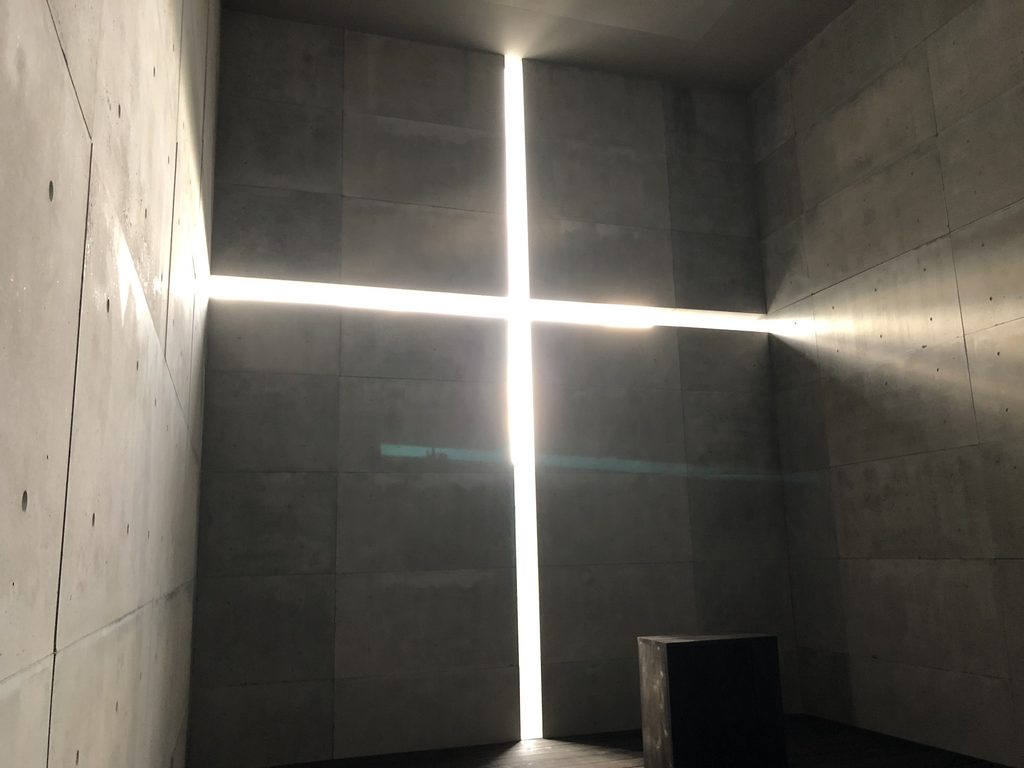
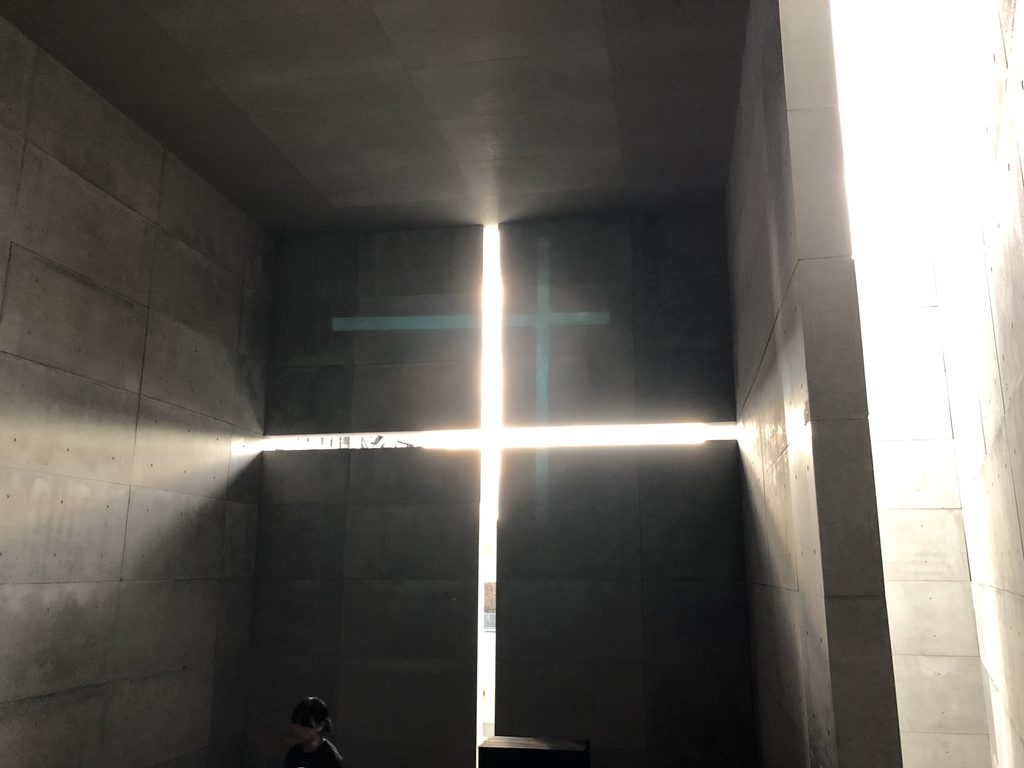
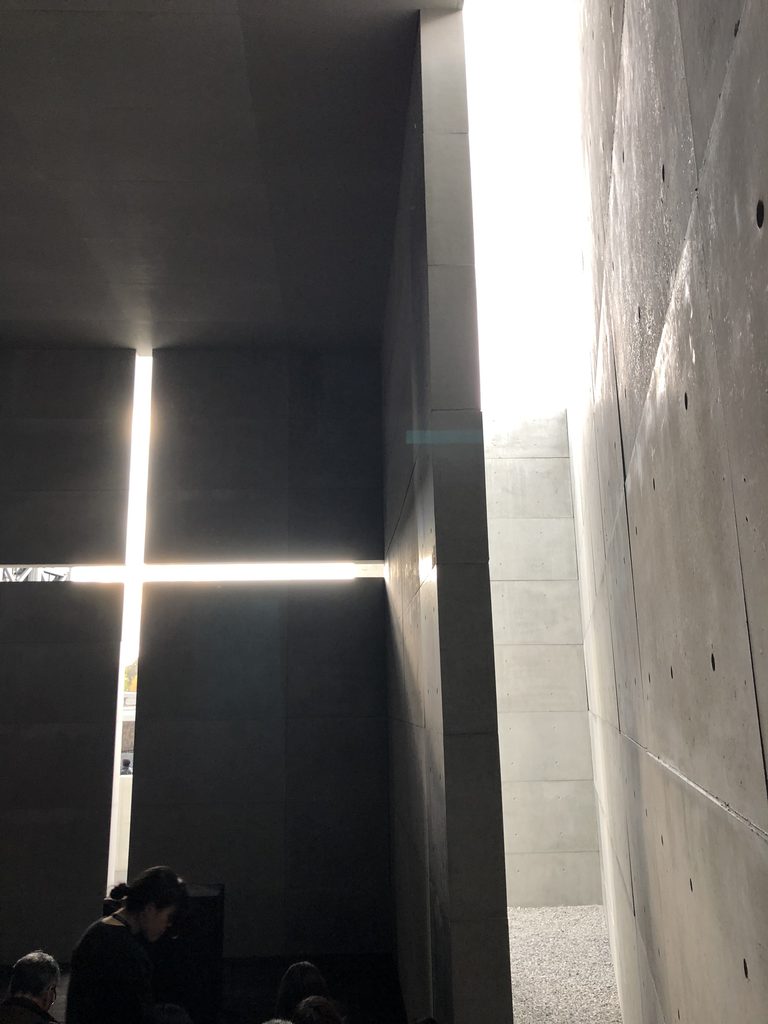
内部へ入ると、正面のコンクリート壁に十字形の光が現れる。
Inside, a cross of light appeared on the concrete wall.
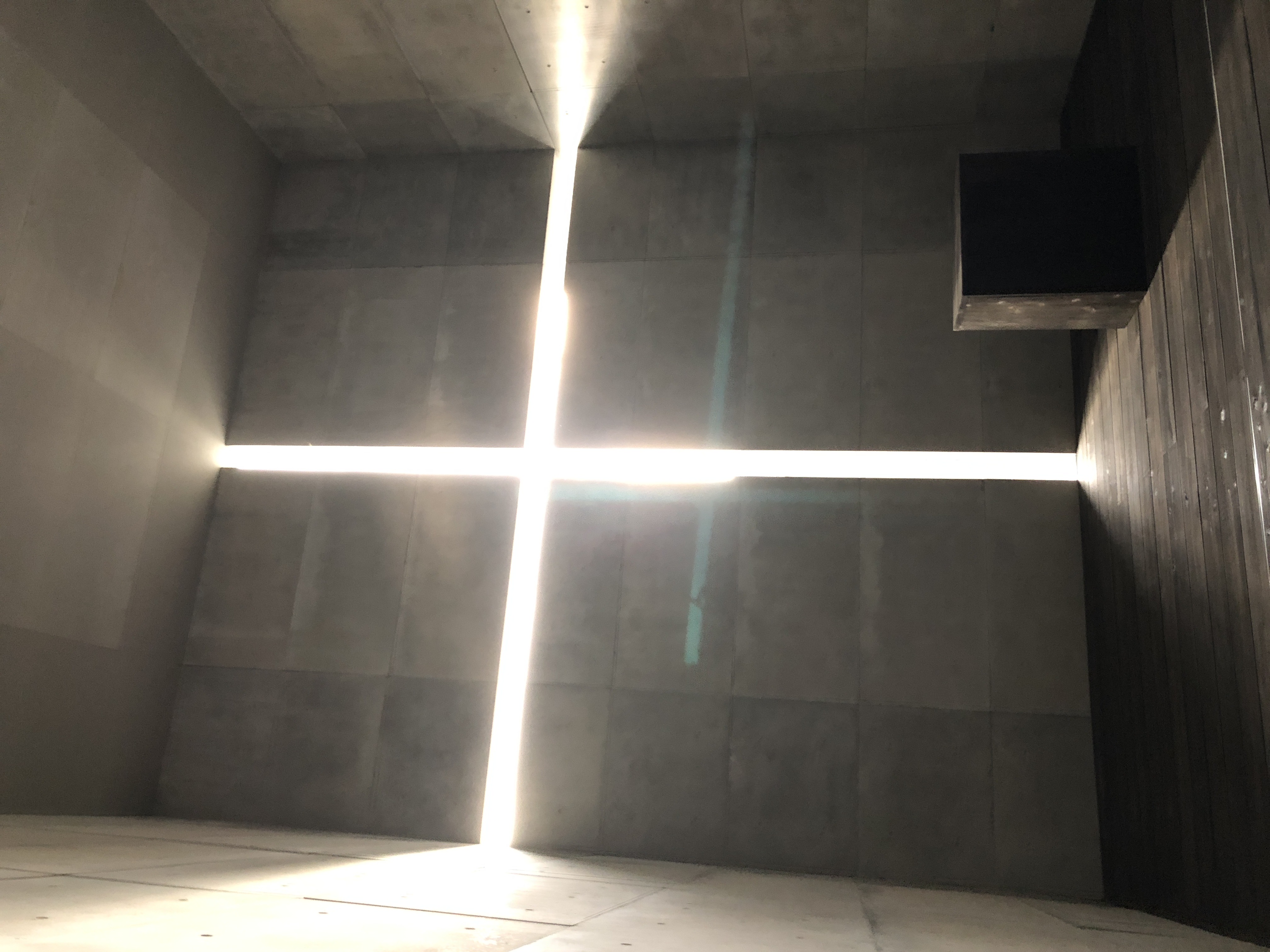
装飾された十字架が置かれているわけではない。
壁そのものに垂直と水平のスリットが入り、外から入る光によって十字が浮かび上がる。
There was no decorative cross. Vertical and horizontal openings were cut directly through the wall, allowing daylight itself to form the symbol.
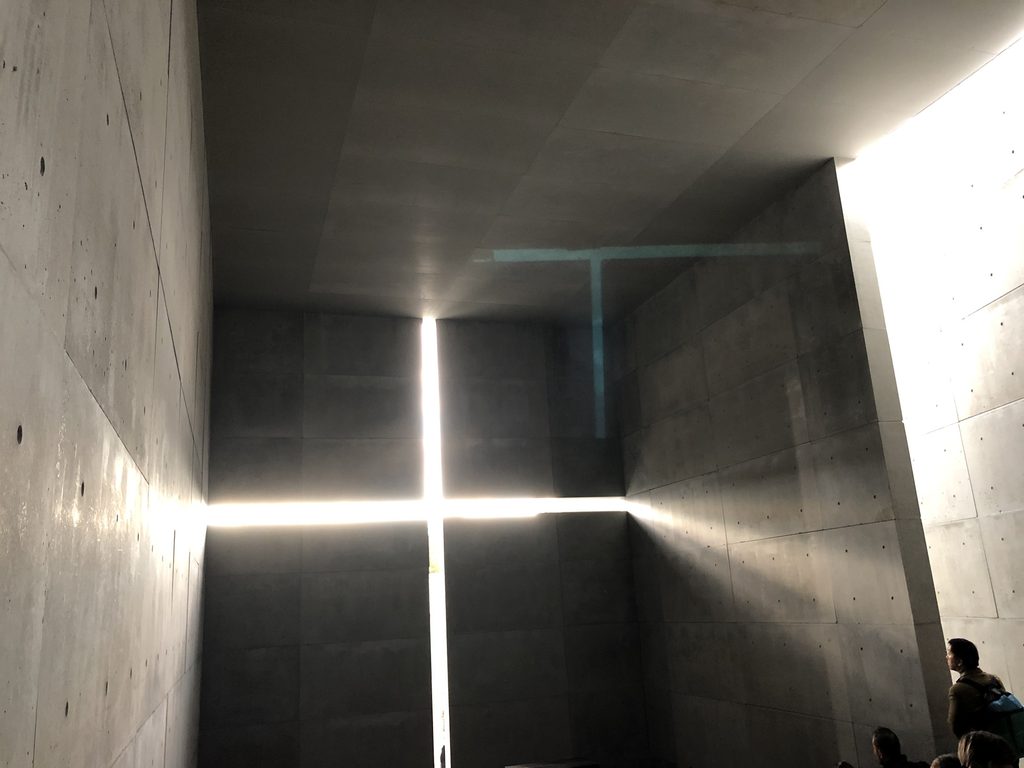
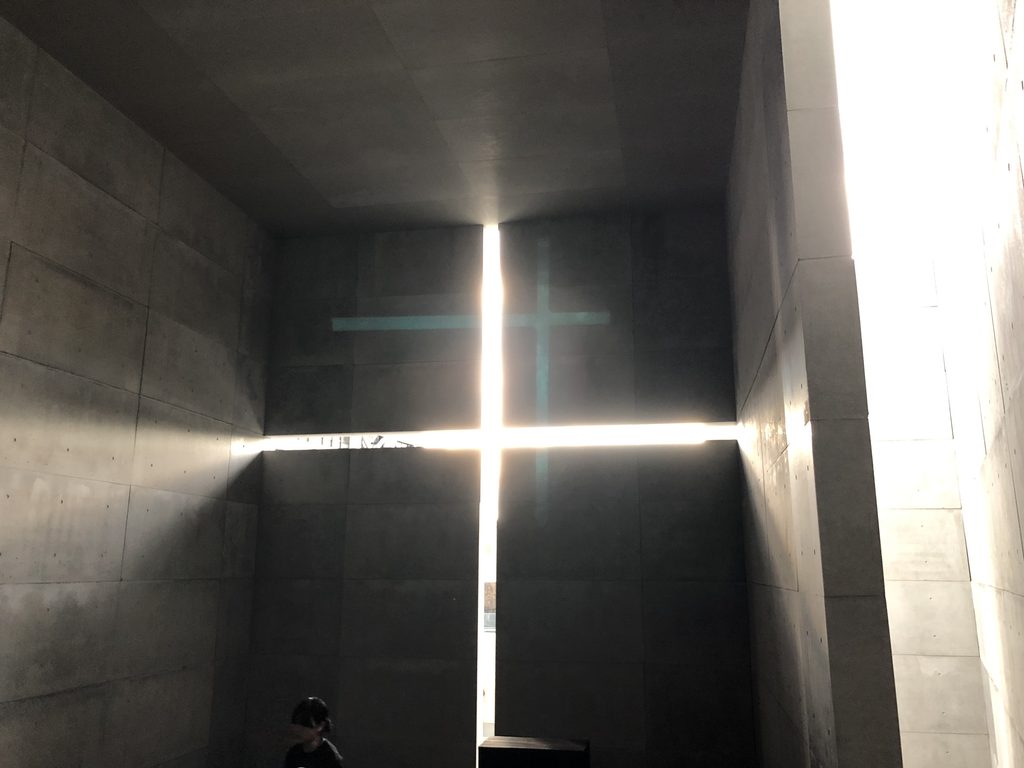
光の教会を写真で知っていれば、この光景そのものはよく知っている。
しかし原寸の空間へ身体を置くと、写真とは違うものが見えてくる。
壁の高さ。十字までの距離。暗いコンクリートの中で光だけが持つ強さ。
The image is familiar from countless photographs of the original church. At full scale, however, other qualities become apparent: the height of the wall, the distance across the room and the intensity of light within the dark concrete enclosure.
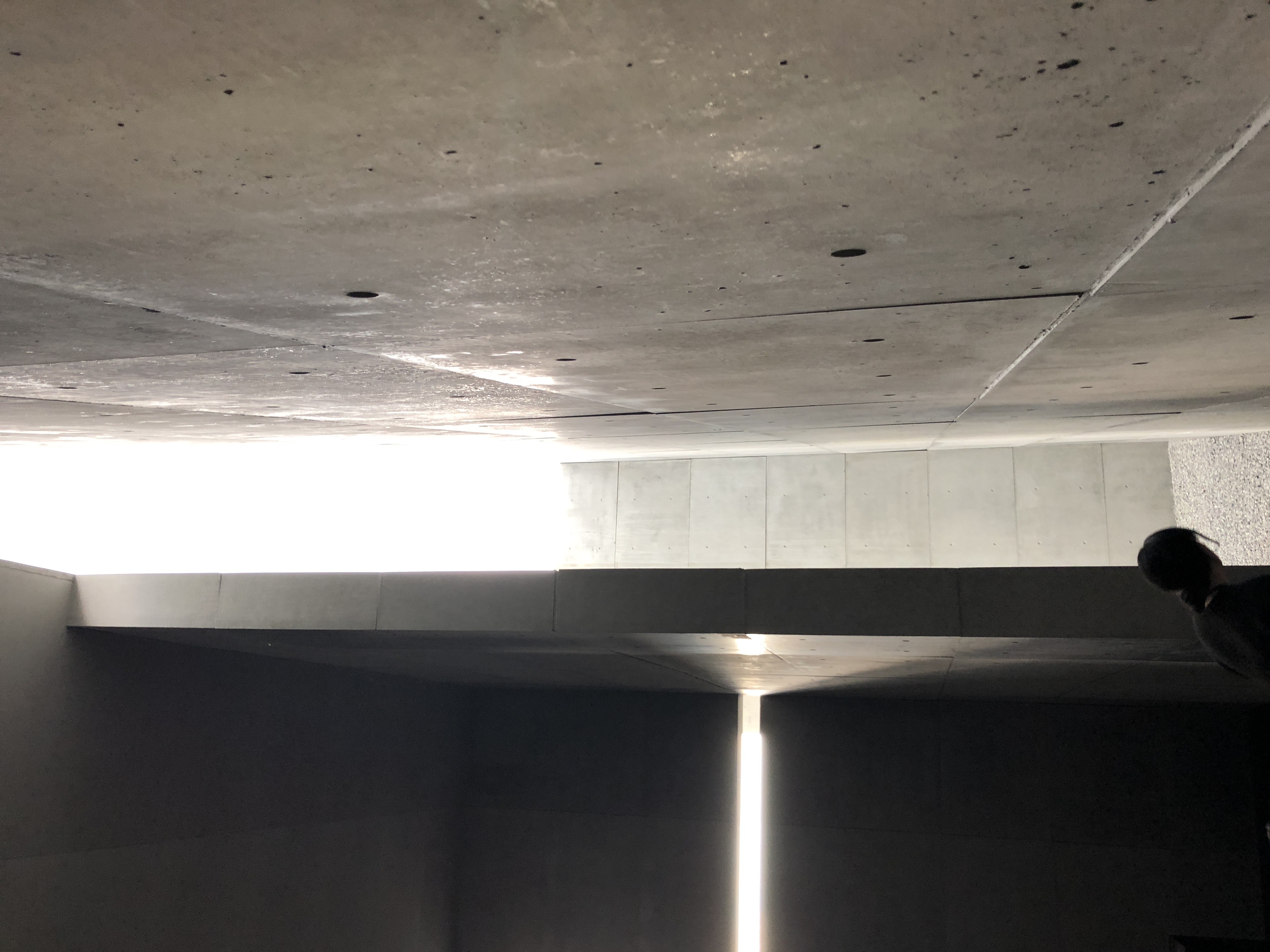
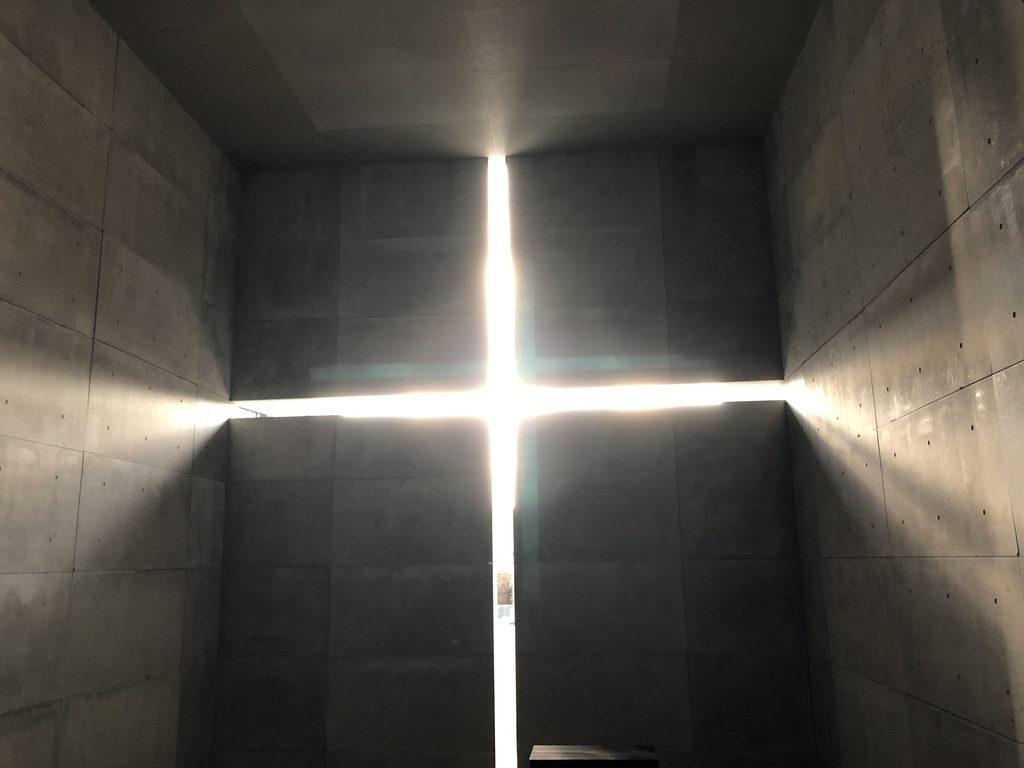
国立新美術館は、このSECTION IIについて、極限まで削ぎ落とされた単純な造形という「カンヴァス」に、光や風といった自然が加わることで安藤の目指す空間が生まれると説明している。
その考えを伝えるために、「光の教会」は模型では足りなかったのだろう。
再現しなければならなかったのは十字架の形ではなく、暗い空間へ光が入ってくる経験そのものだった。
だからこそ原寸であることに意味があった。
The National Art Center described this section of the exhibition in terms of Ando’s use of simple geometric forms as a canvas upon which natural elements such as light and wind complete the space.
A model could reproduce the cross.
What required full scale was something else:
the experience of standing in darkness while natural light enters through the wall.
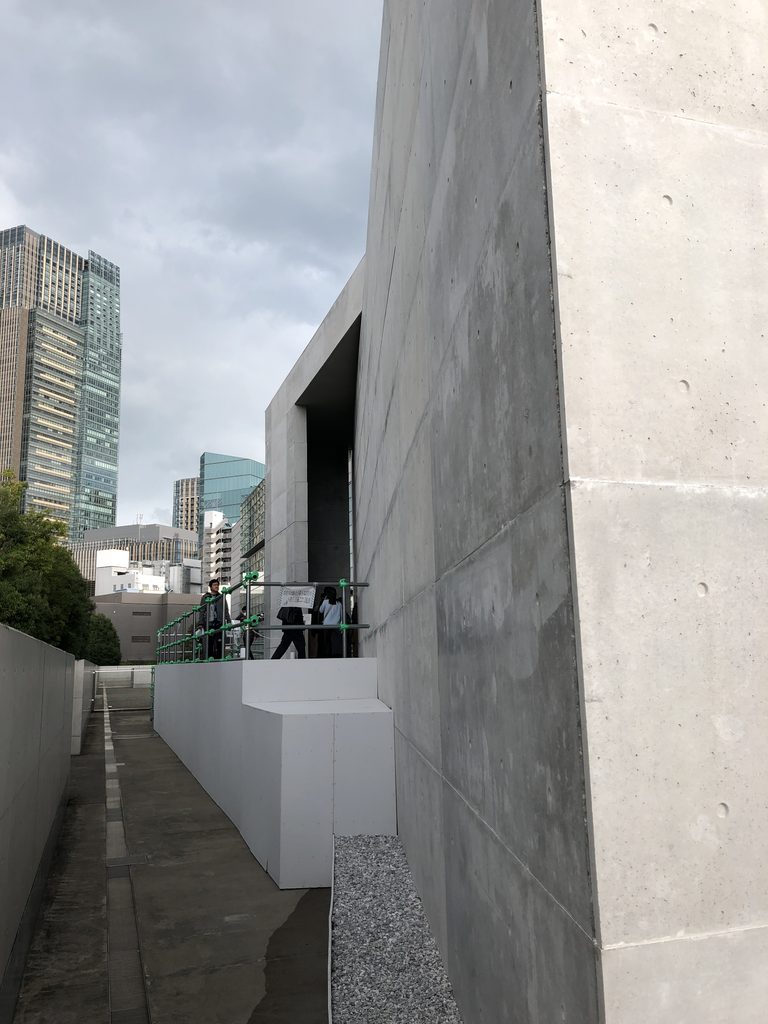
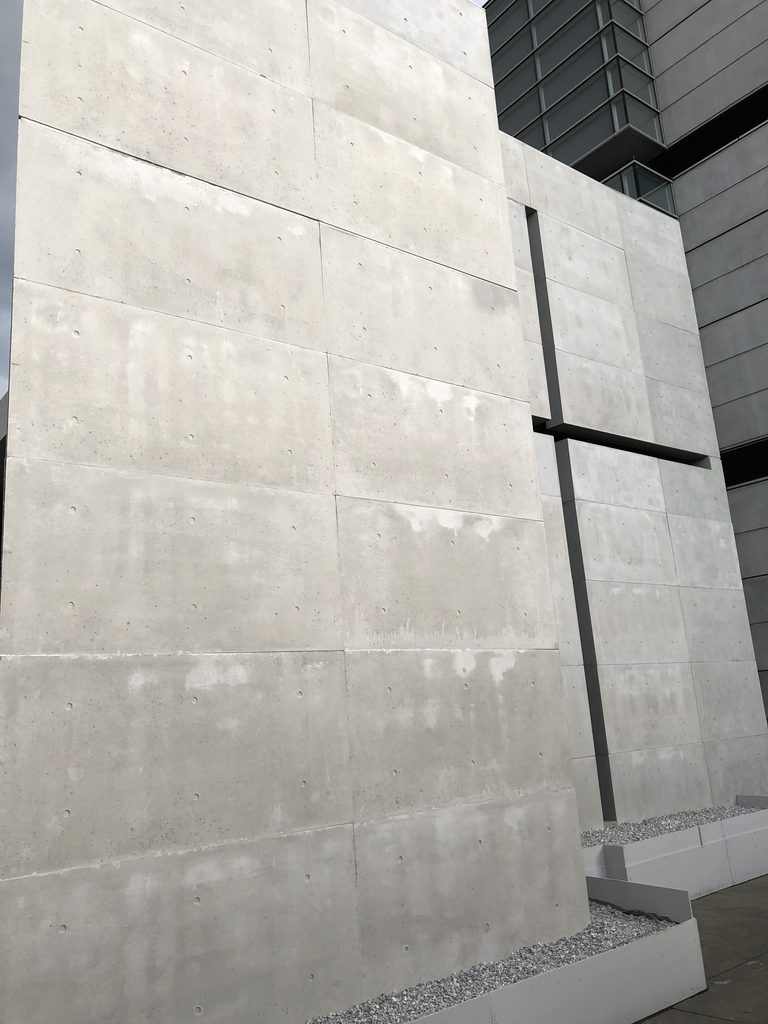
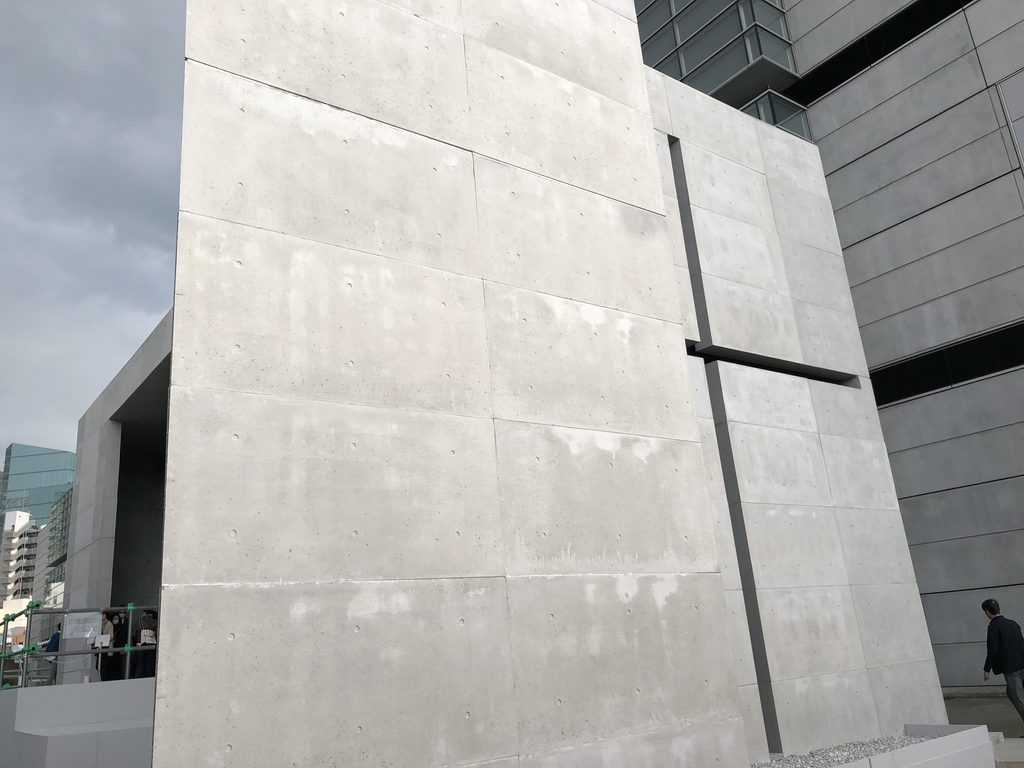
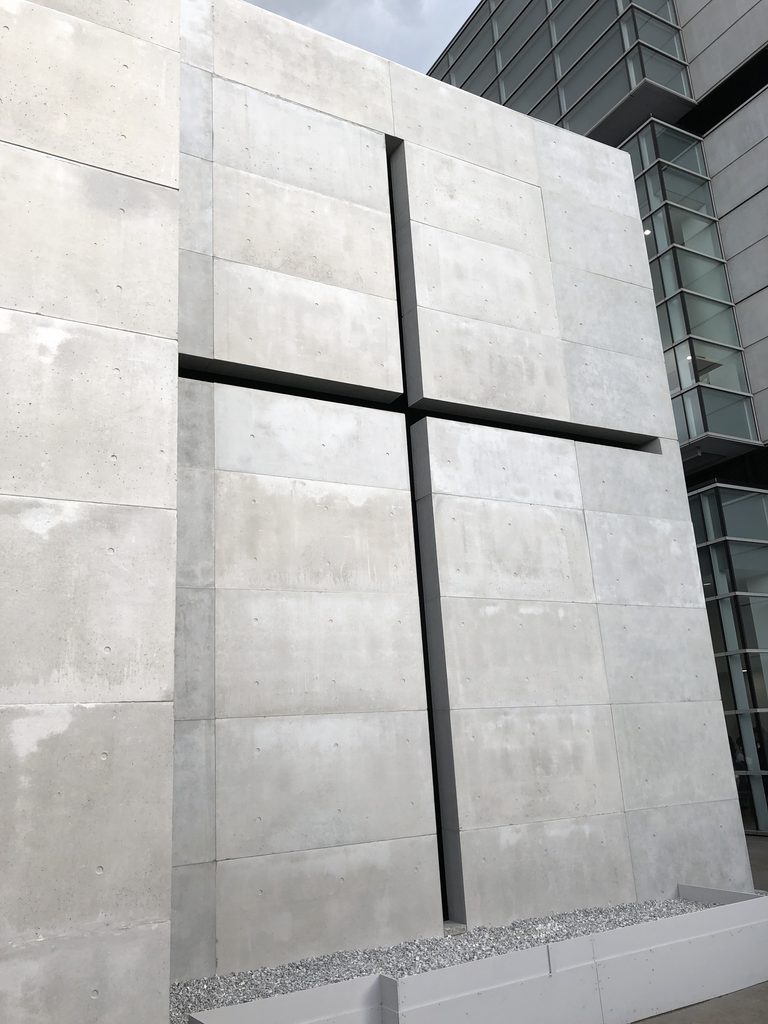
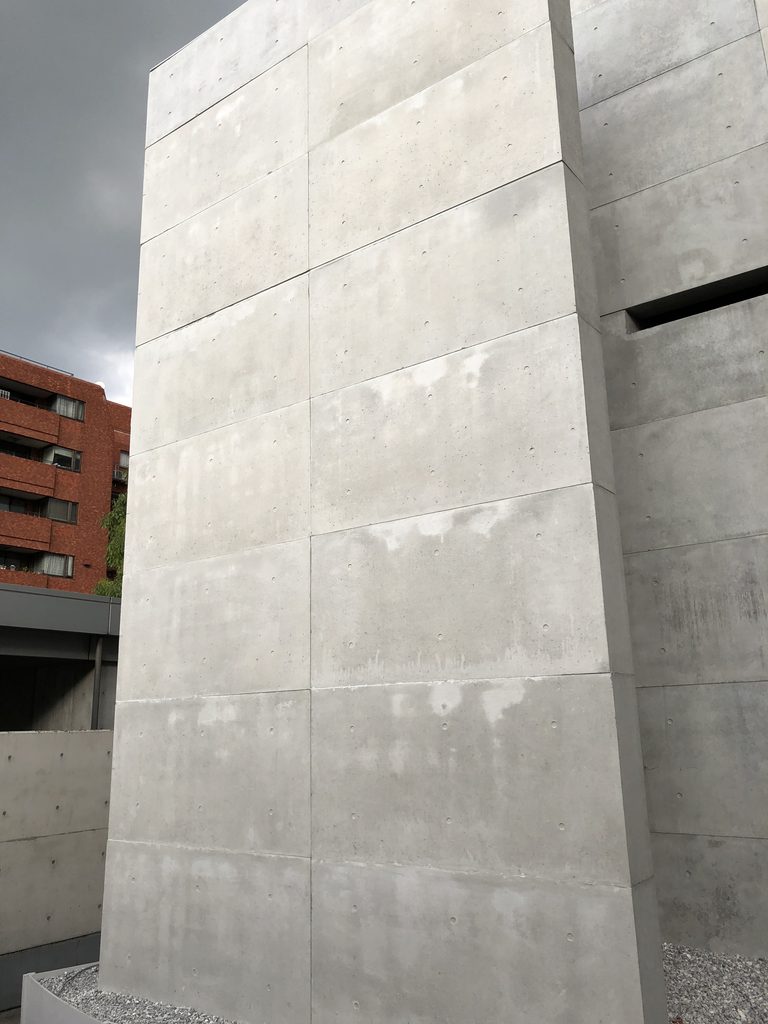
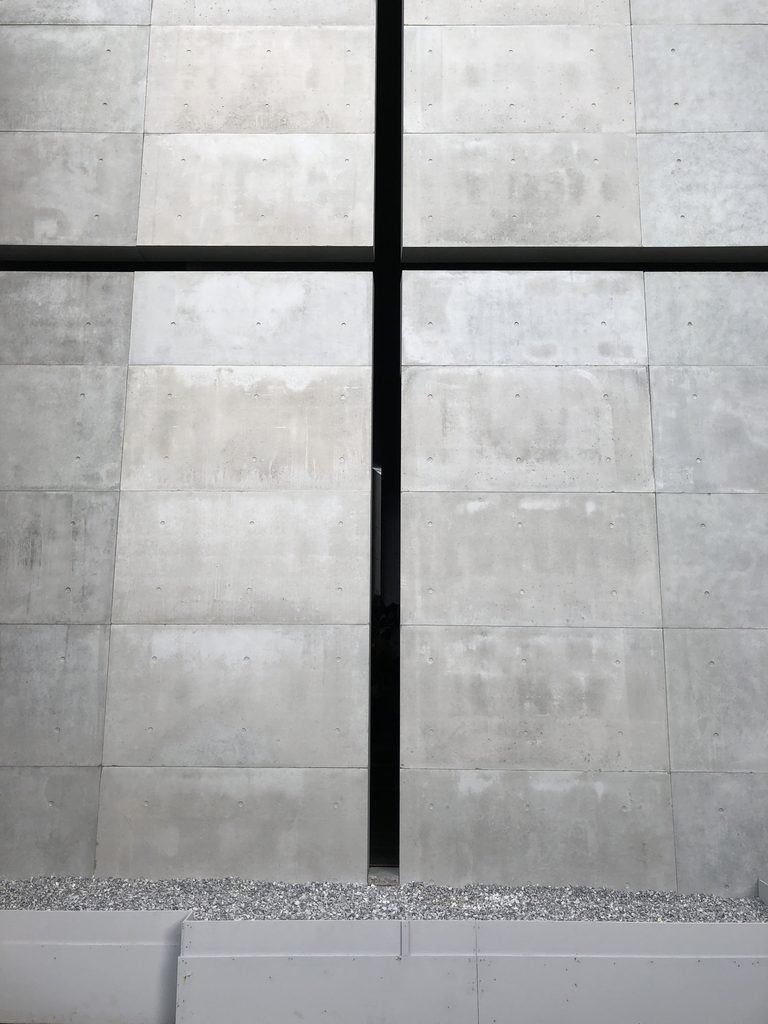
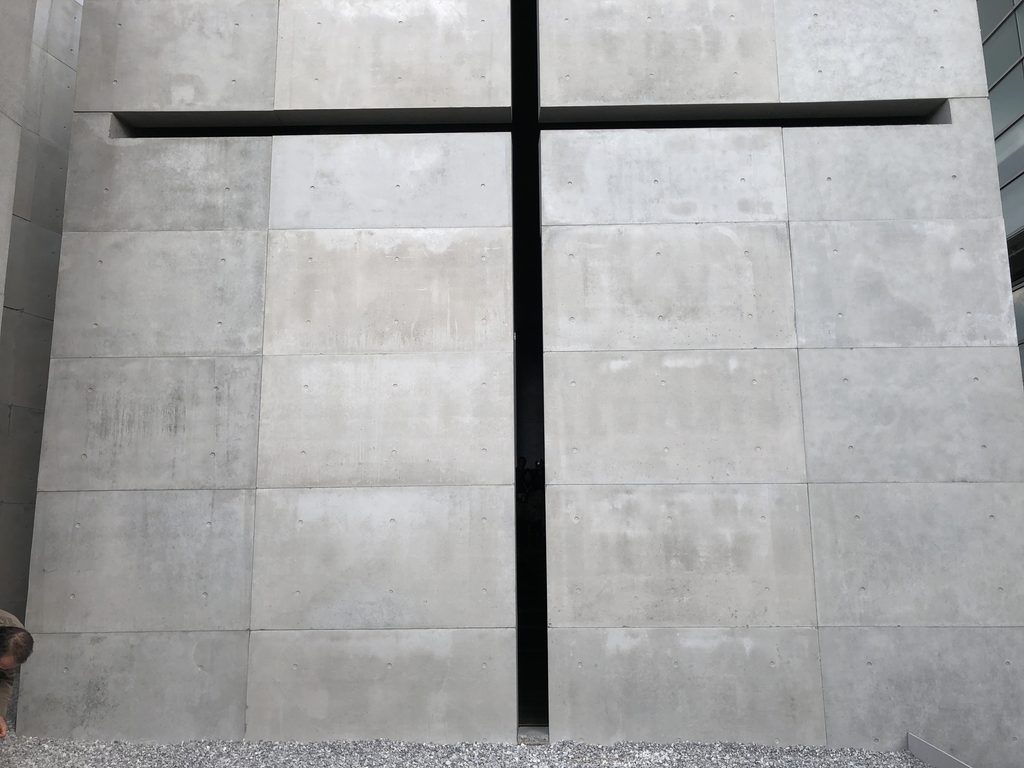
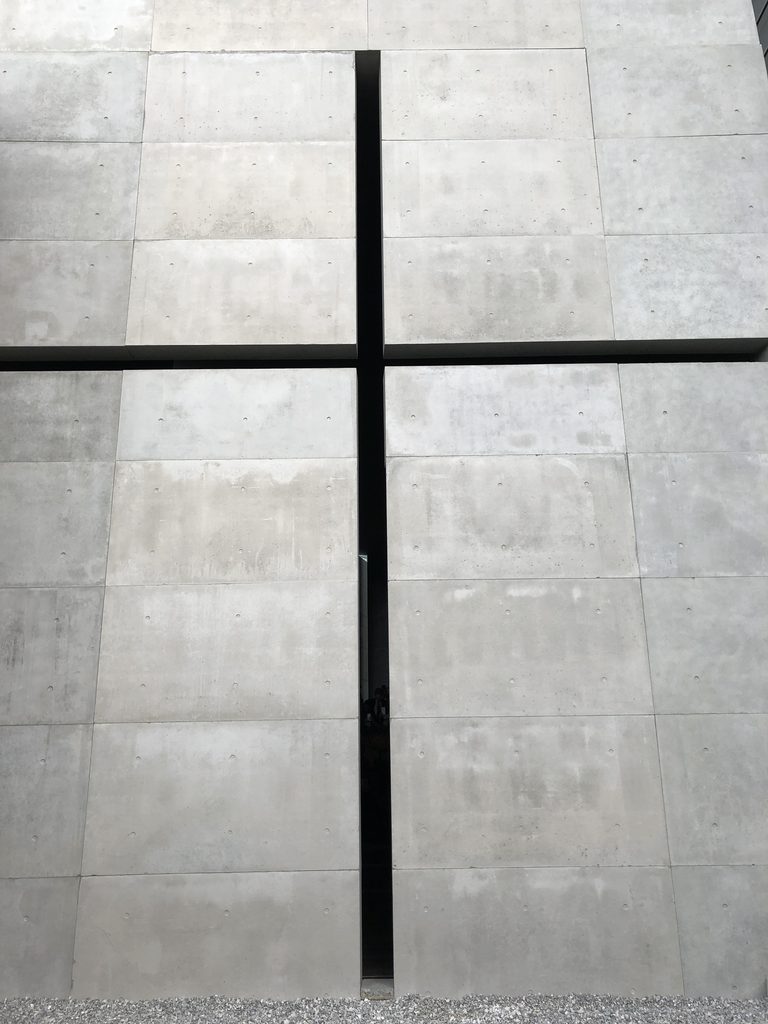
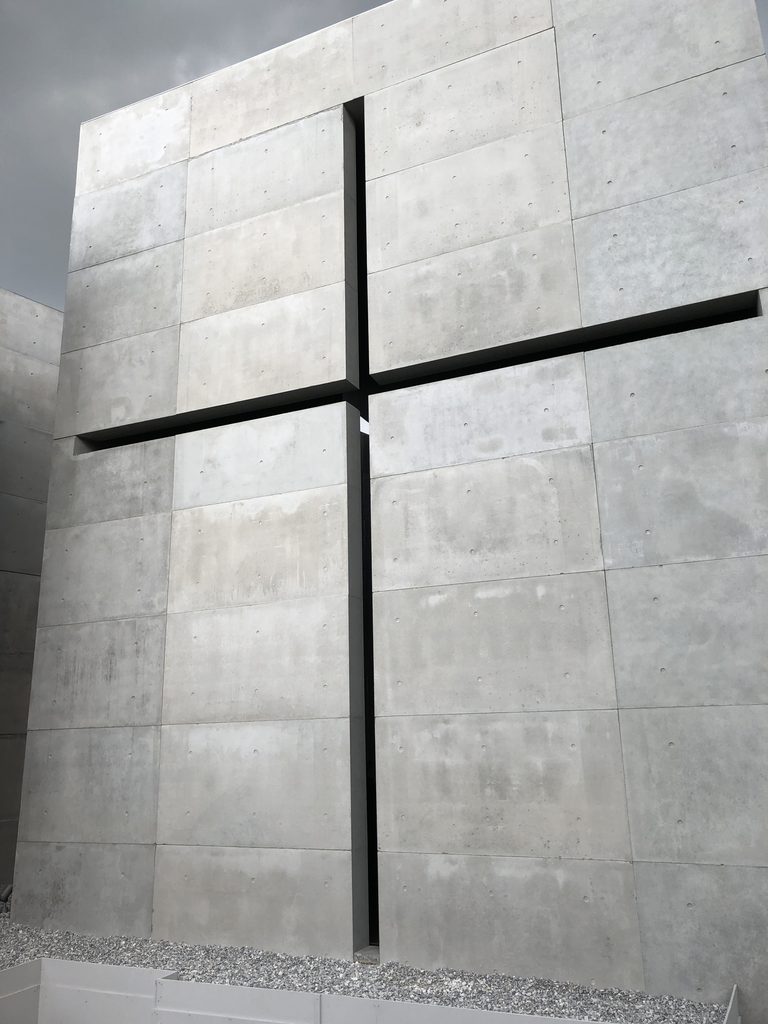
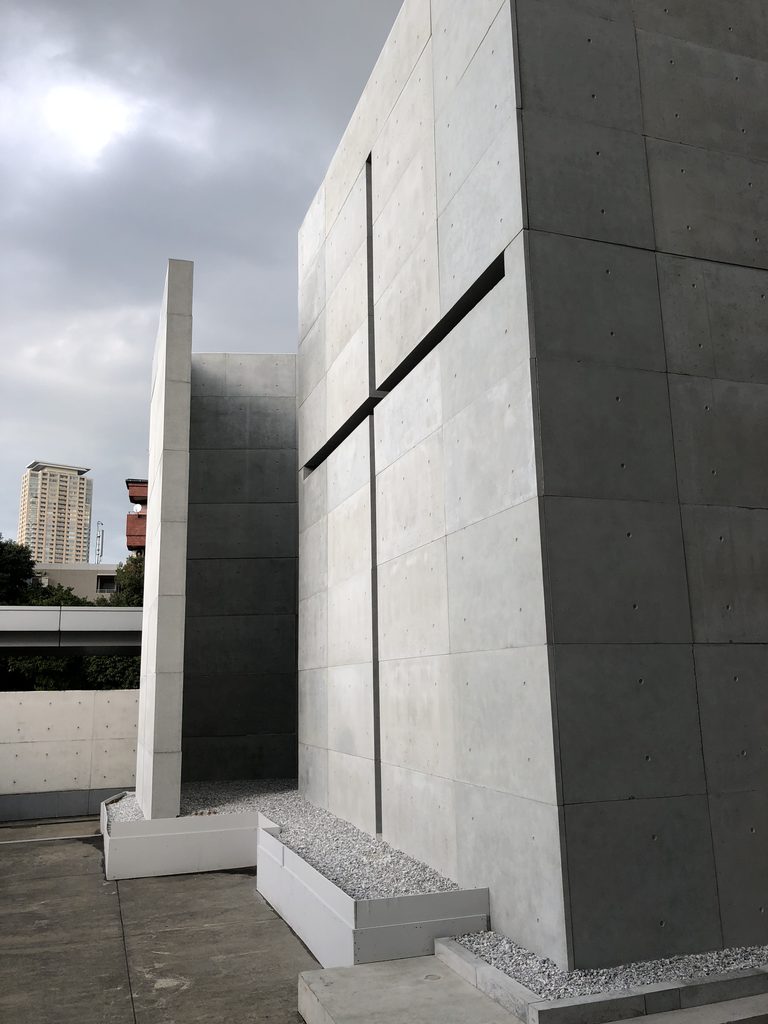
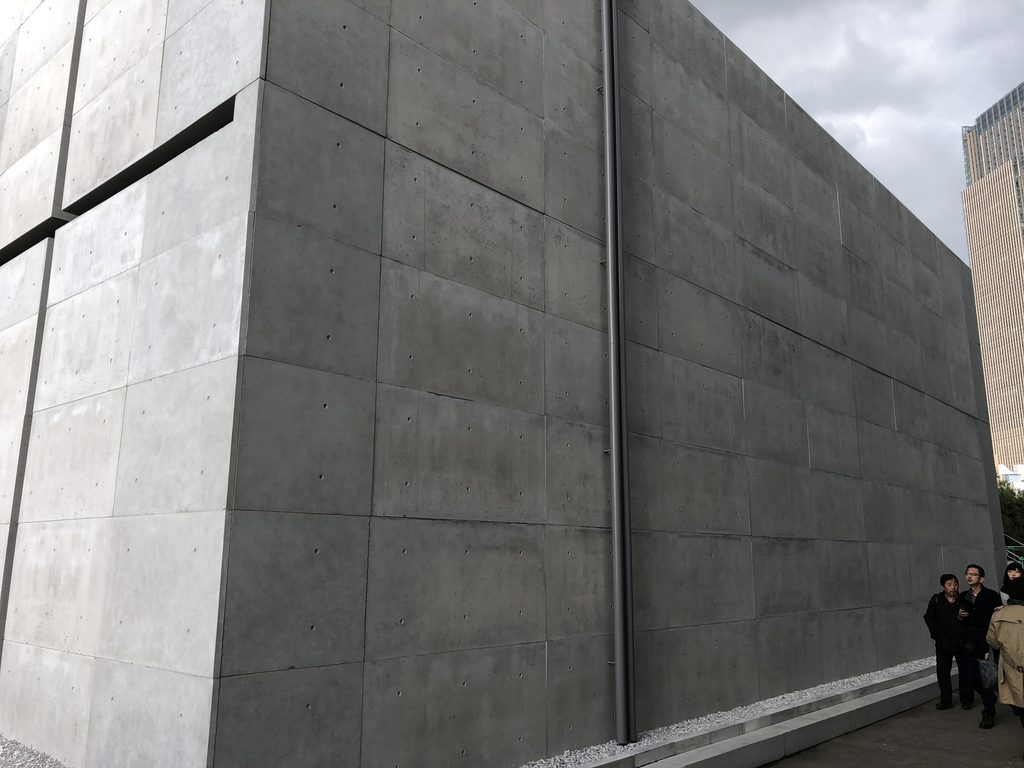
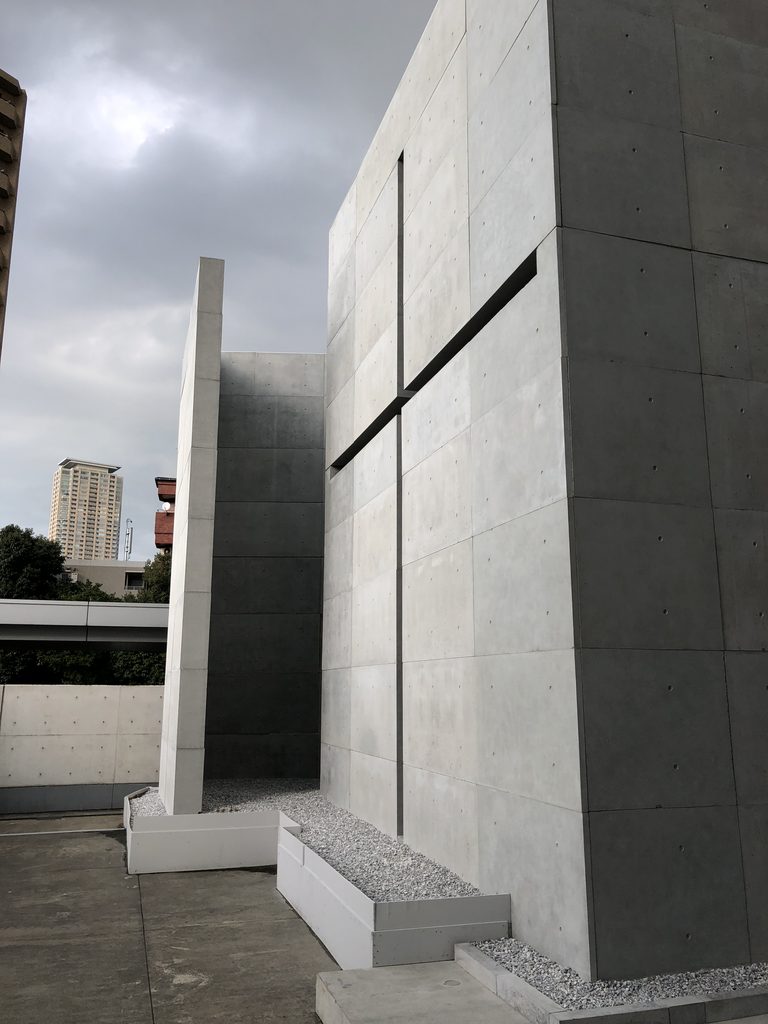
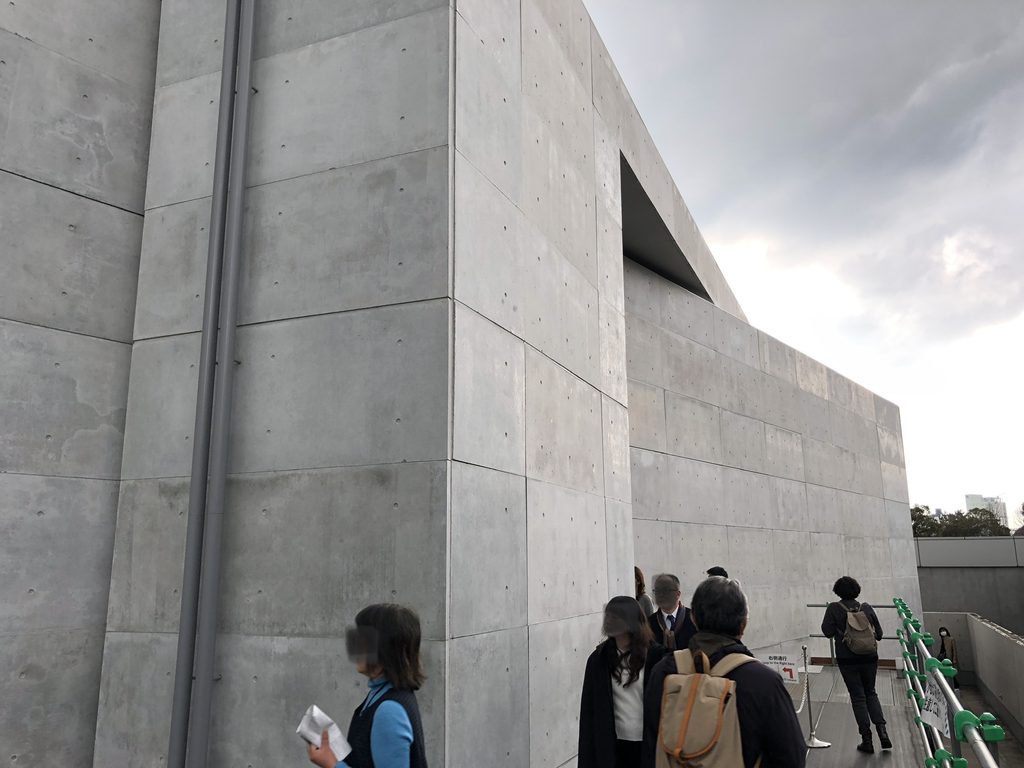
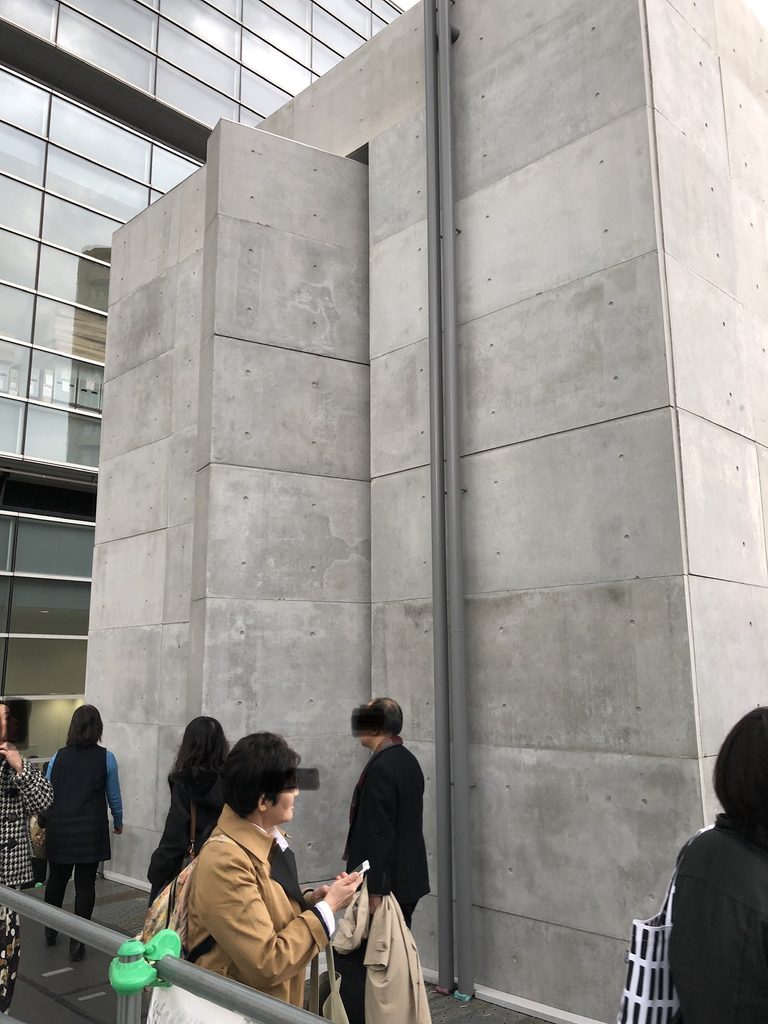
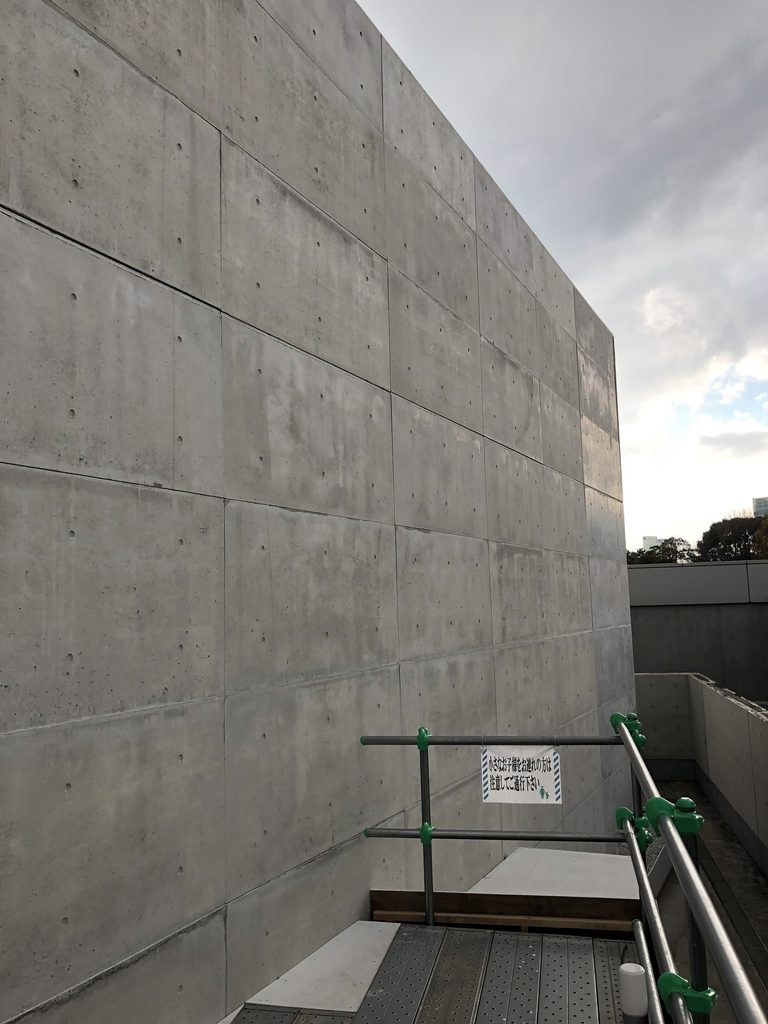
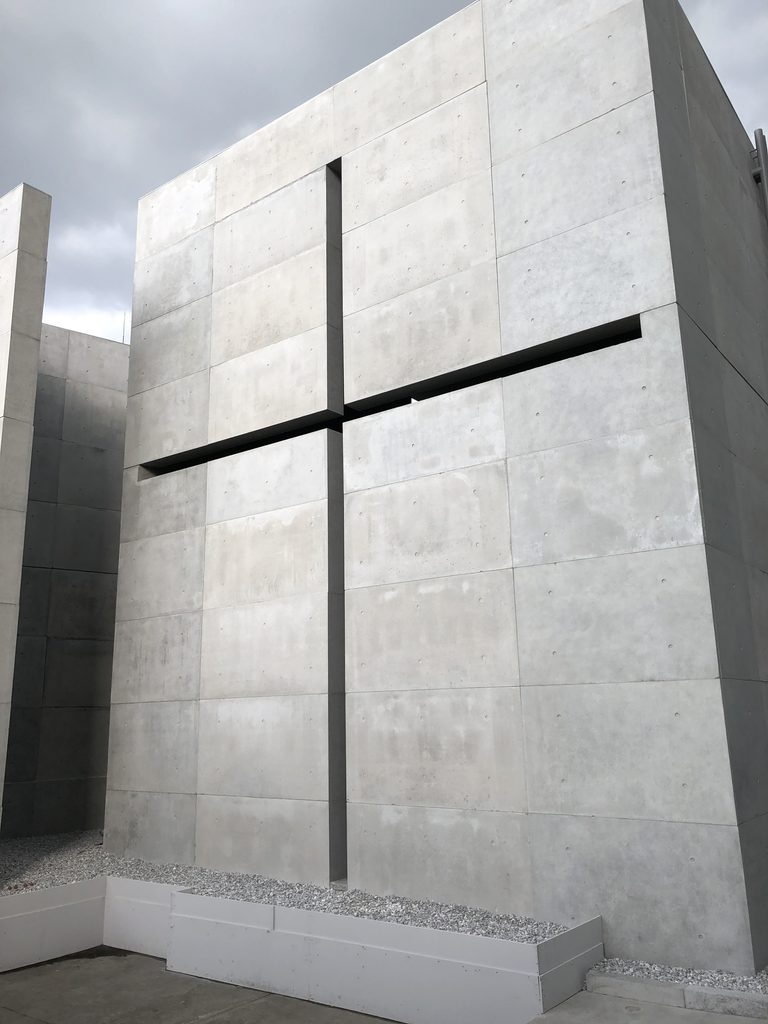
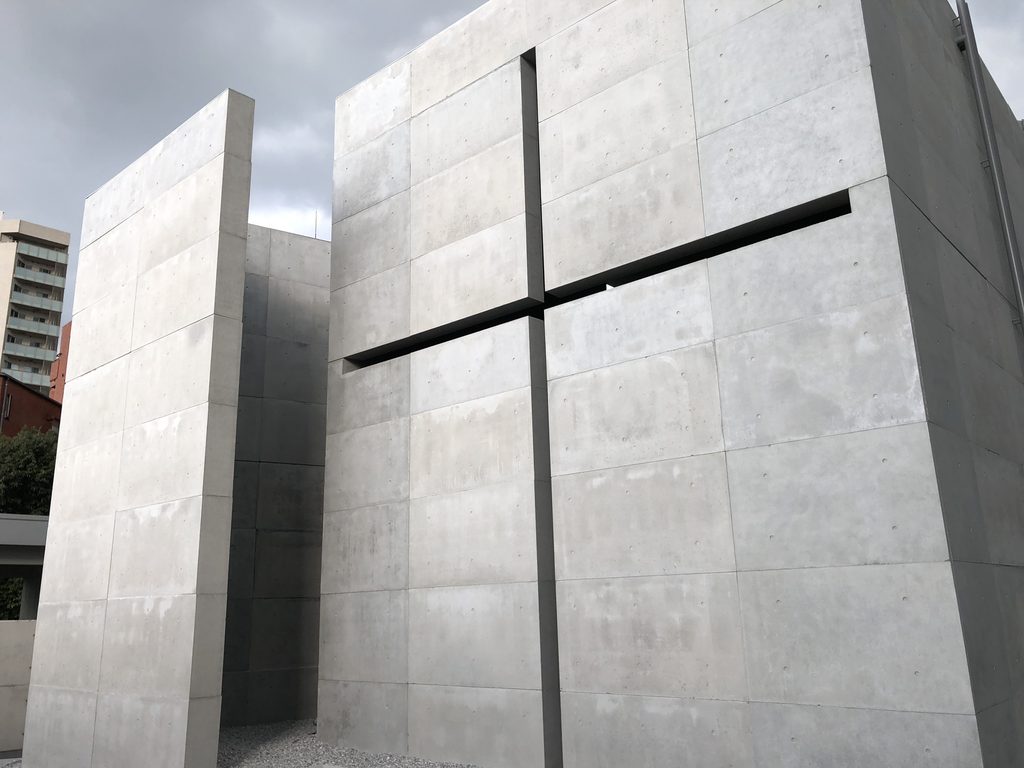
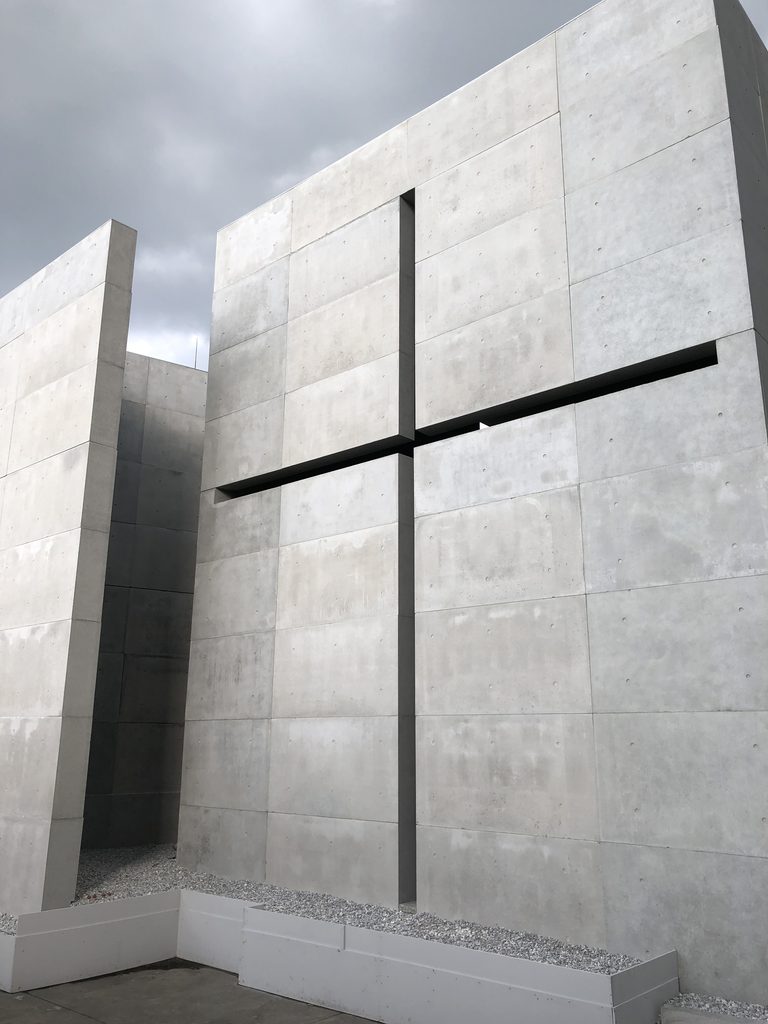
3. 外へ回ると、十字架はただの隙間になる
Outside, the Cross Becomes an Opening
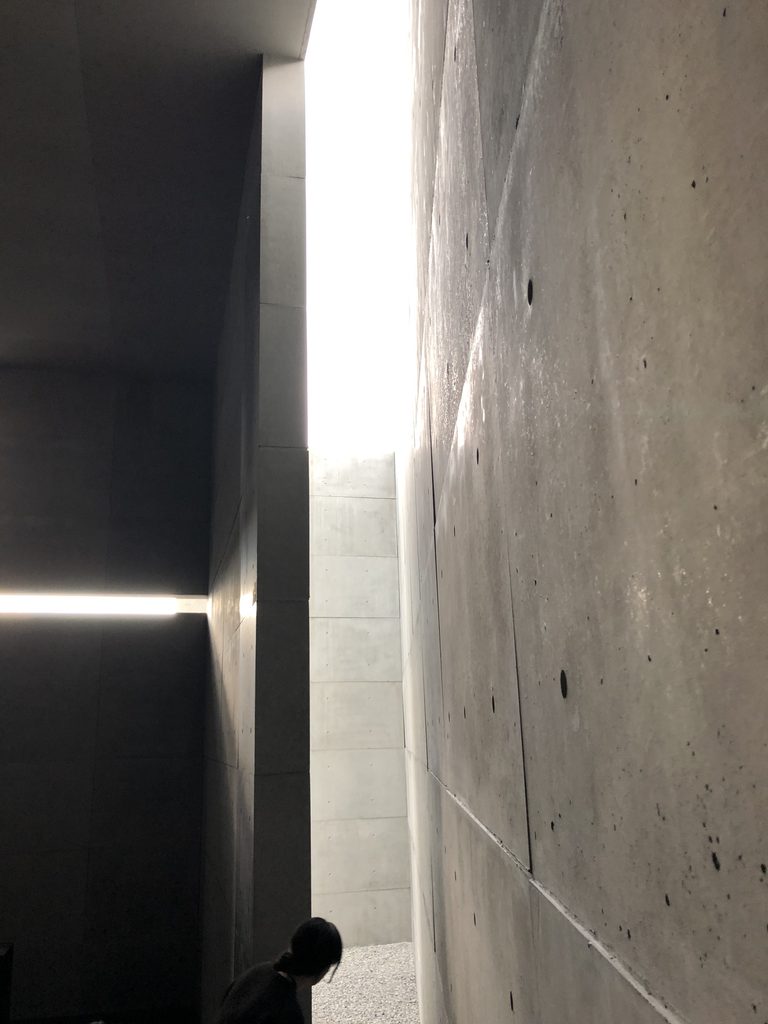
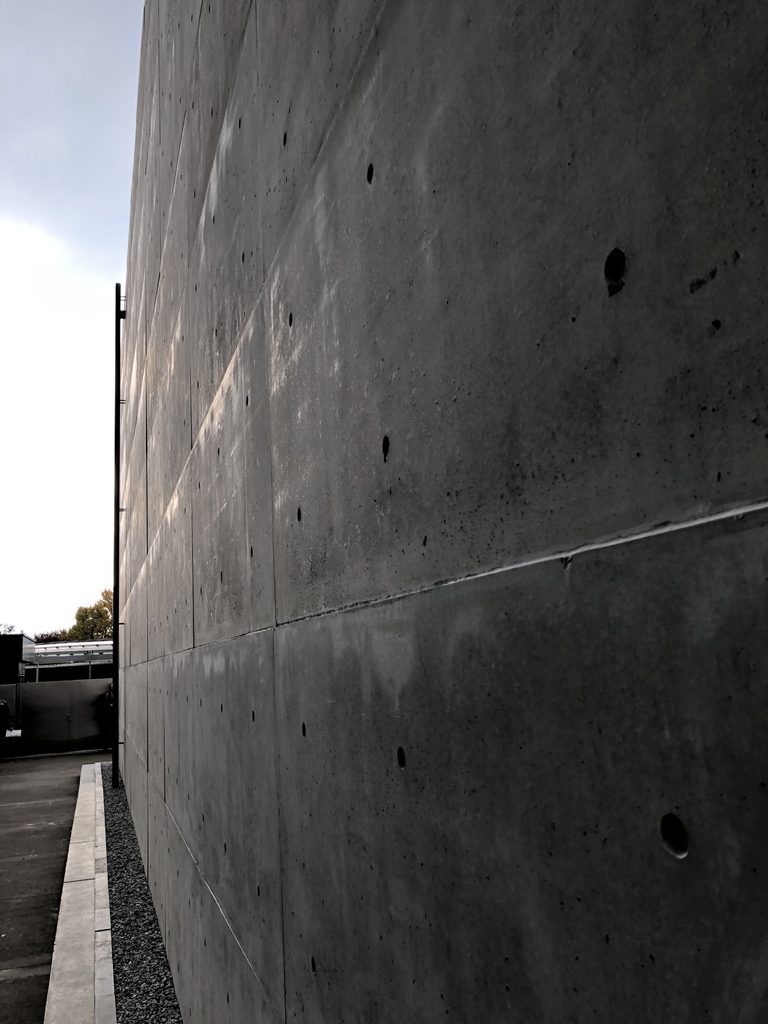
内部であれほど強い存在だった十字の光も、建物の外へ回るとまったく違って見える。
Walking around the exterior changes the meaning of the cross completely.
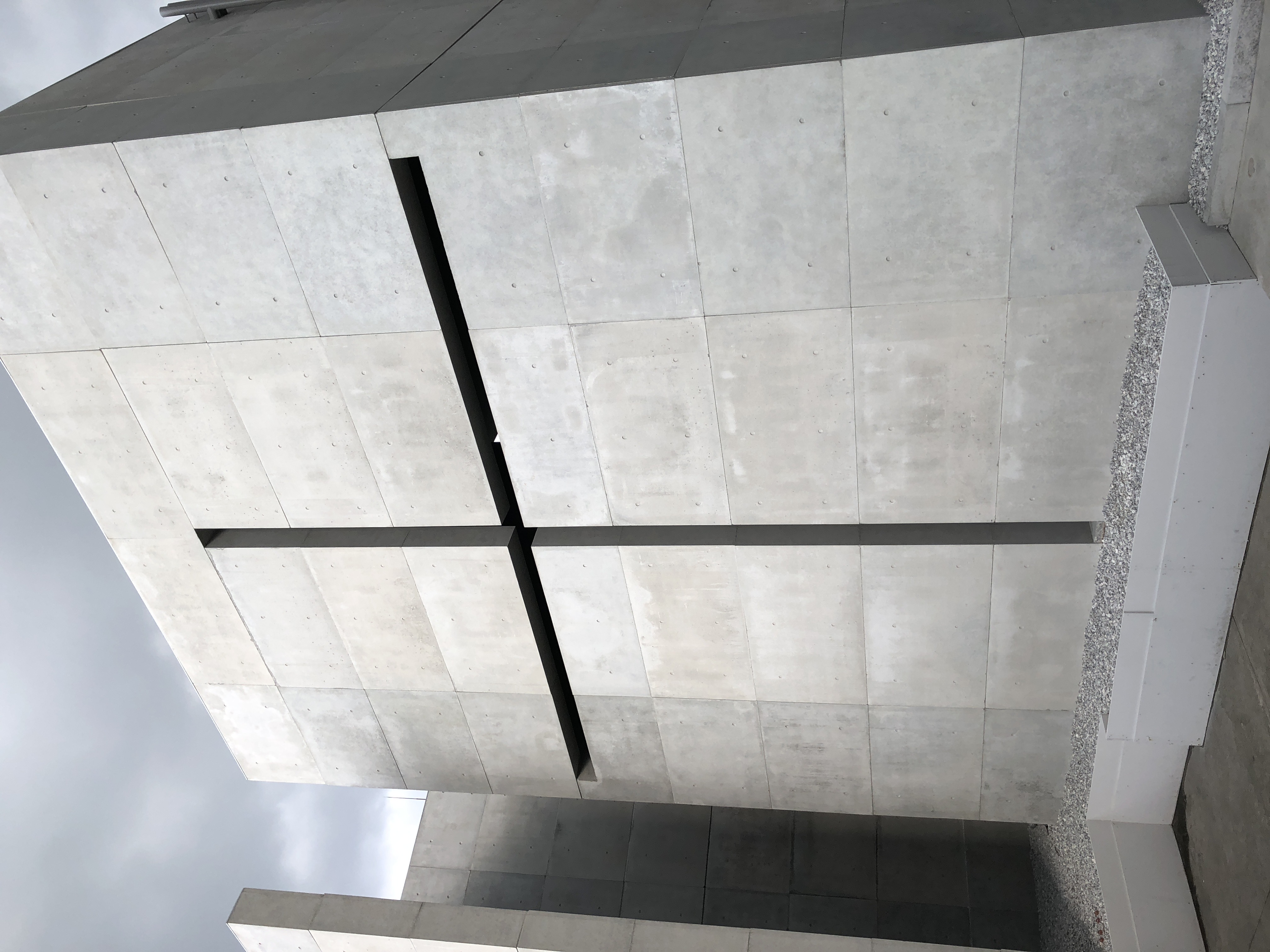
そこにあるのは、コンクリート壁を切り裂く垂直と水平のスリットである。
From outside, it is simply a vertical and horizontal opening cut through a concrete wall.
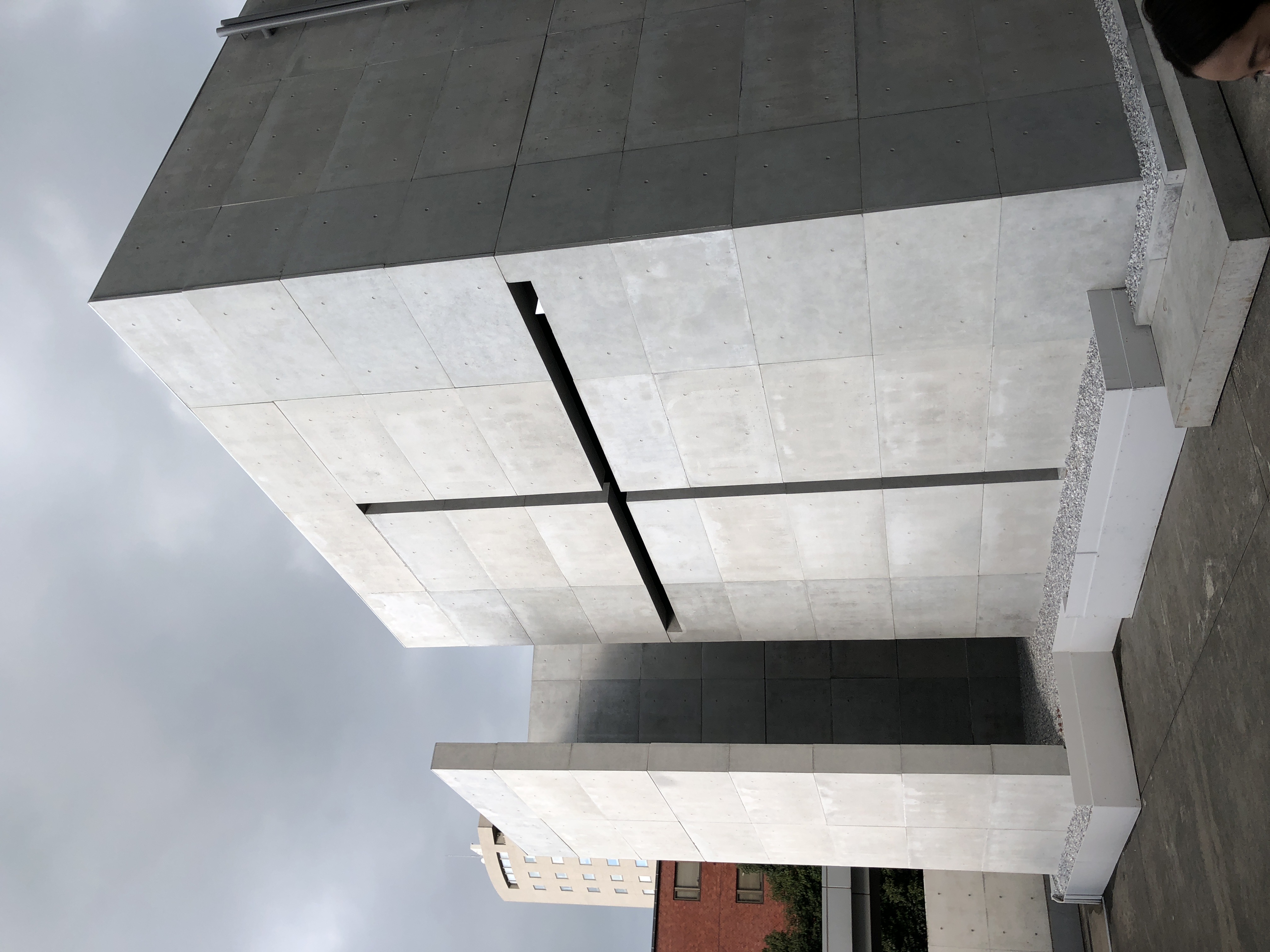
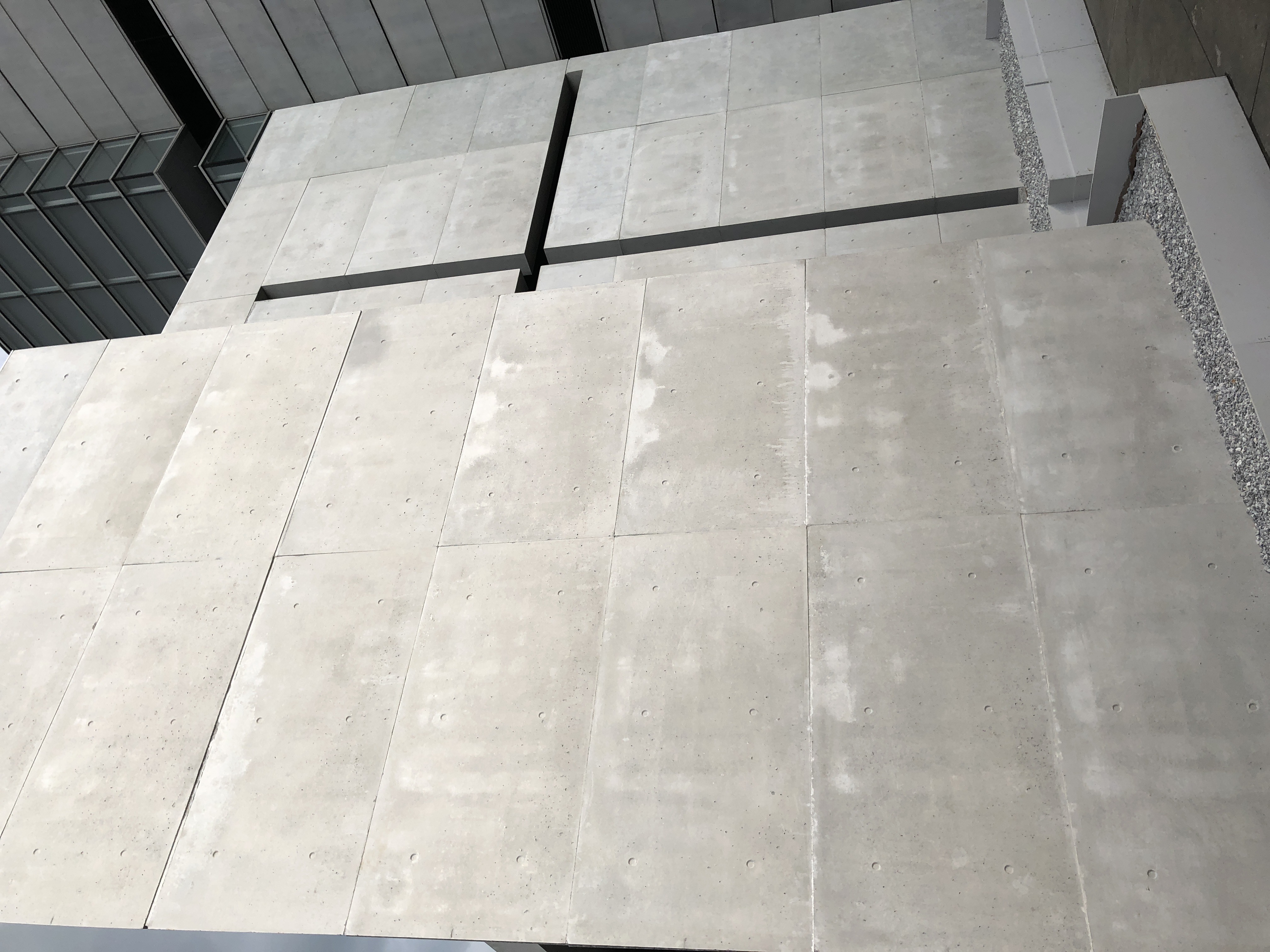
内部から見れば象徴的な「光の十字架」だったものが、外から見れば非常に物理的な壁の切れ目へ戻っている。
The luminous symbol seen inside returns to something physical and almost ordinary.
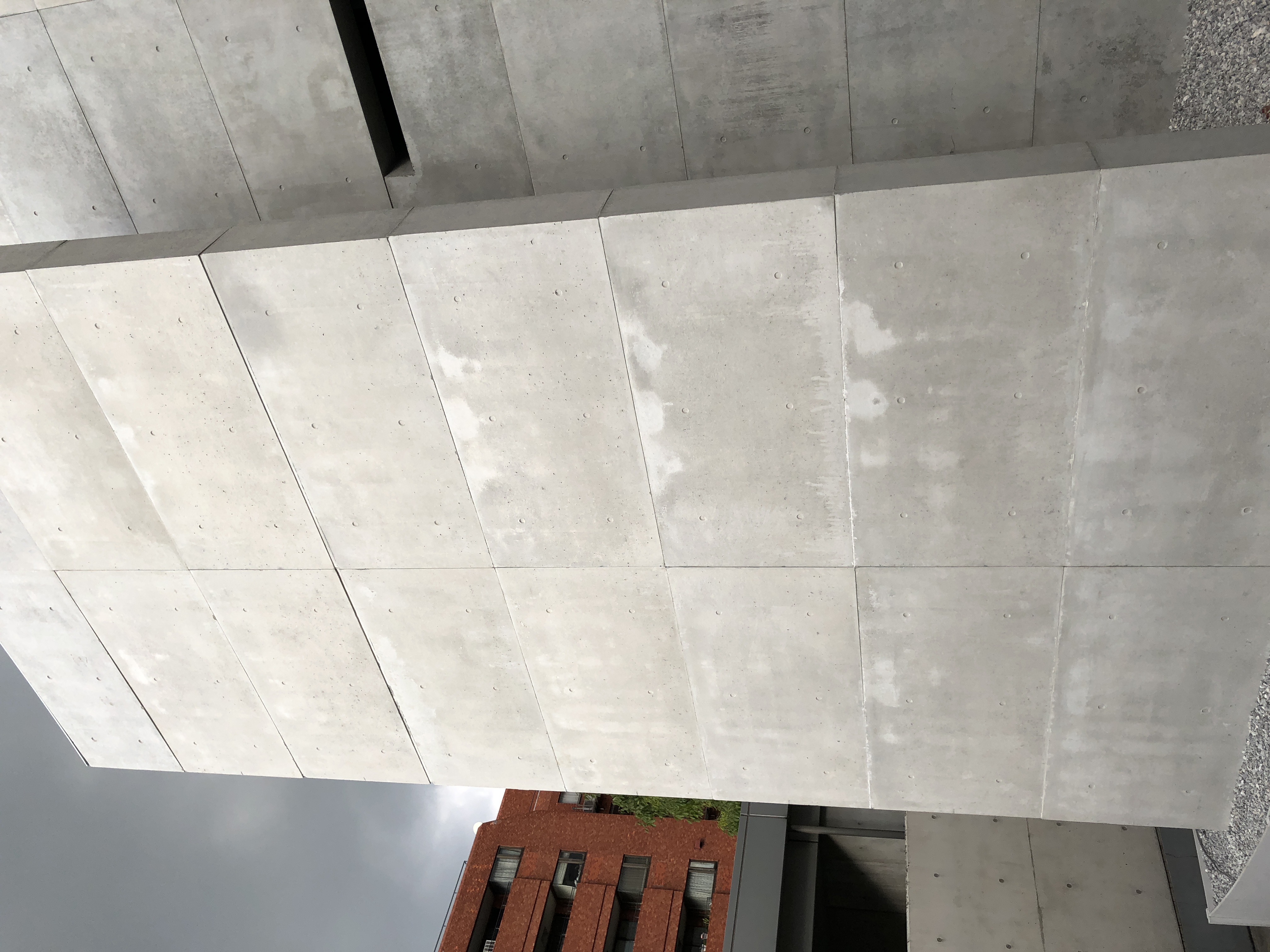
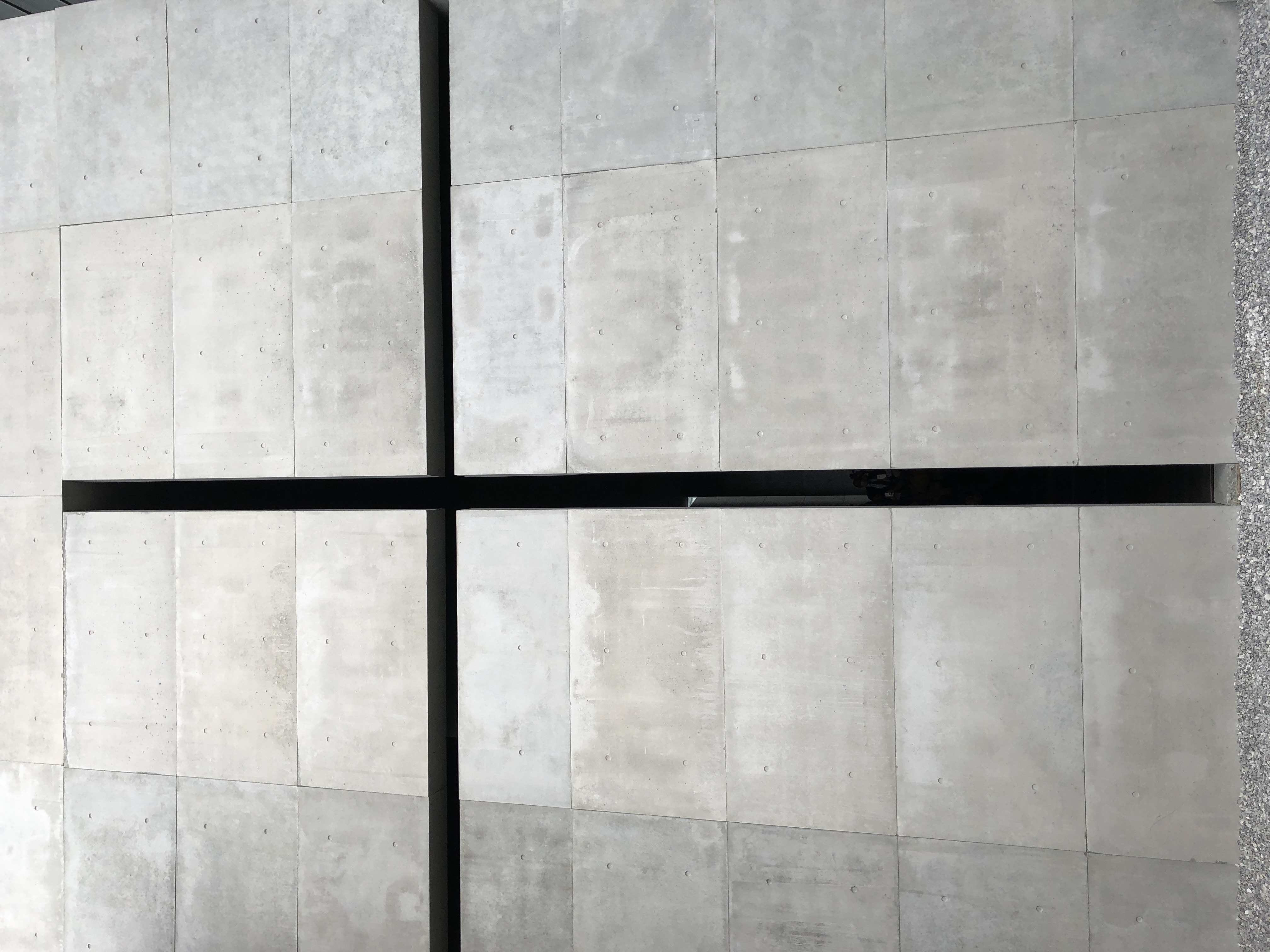
この表裏の差が面白い。
安藤が特別な形の光をつくったわけではない。
壁に隙間をつくり、その向こうに外部を残した。
太陽の光がその隙間を通り、人が暗い内部から見ることで、初めて十字架になる。
Ando does not create a special object in the shape of a cross. He creates an opening and leaves the outside world beyond it.
Sunlight passes through that opening, and only when seen from the darker interior does it become a cross of light.
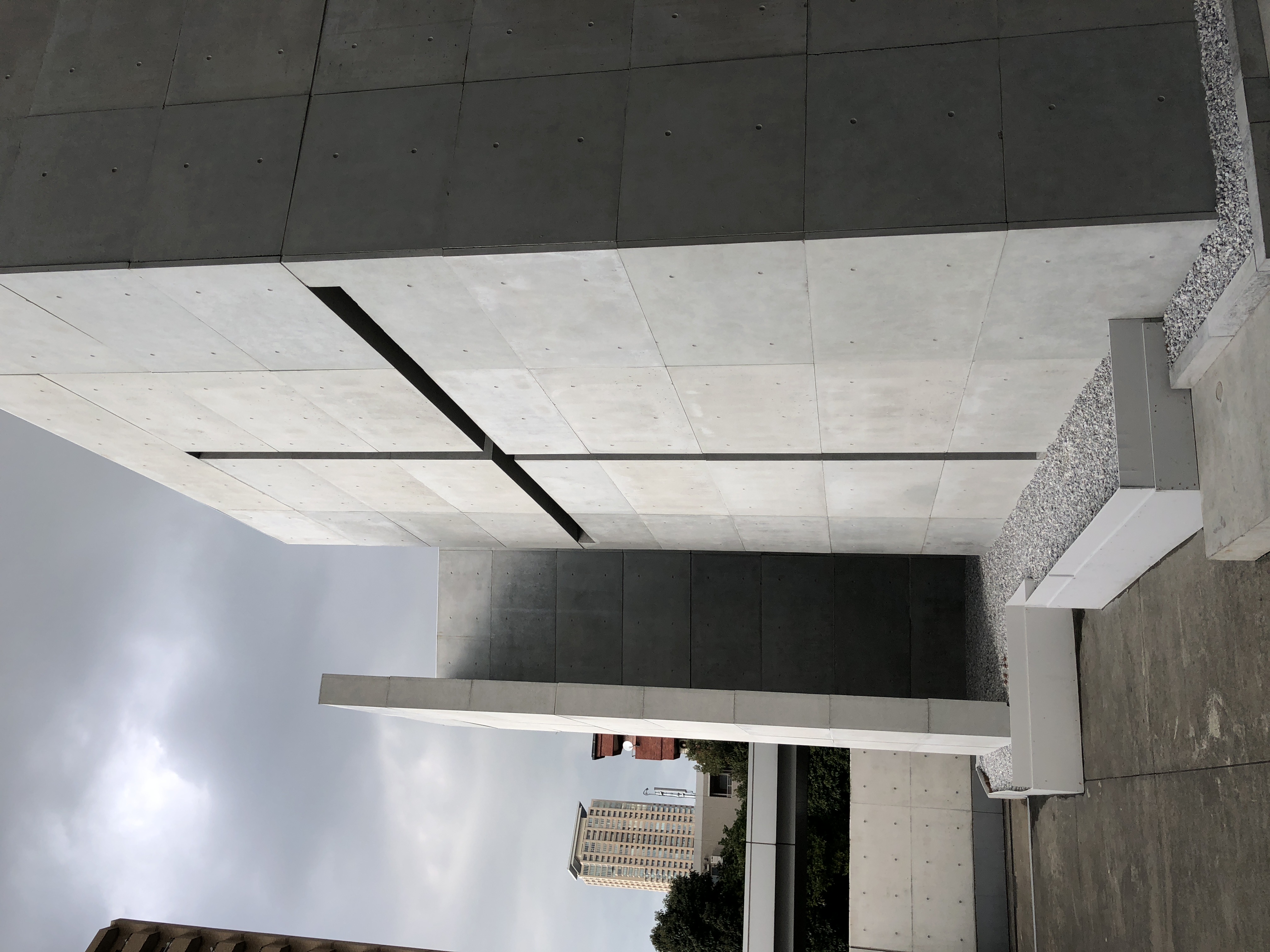
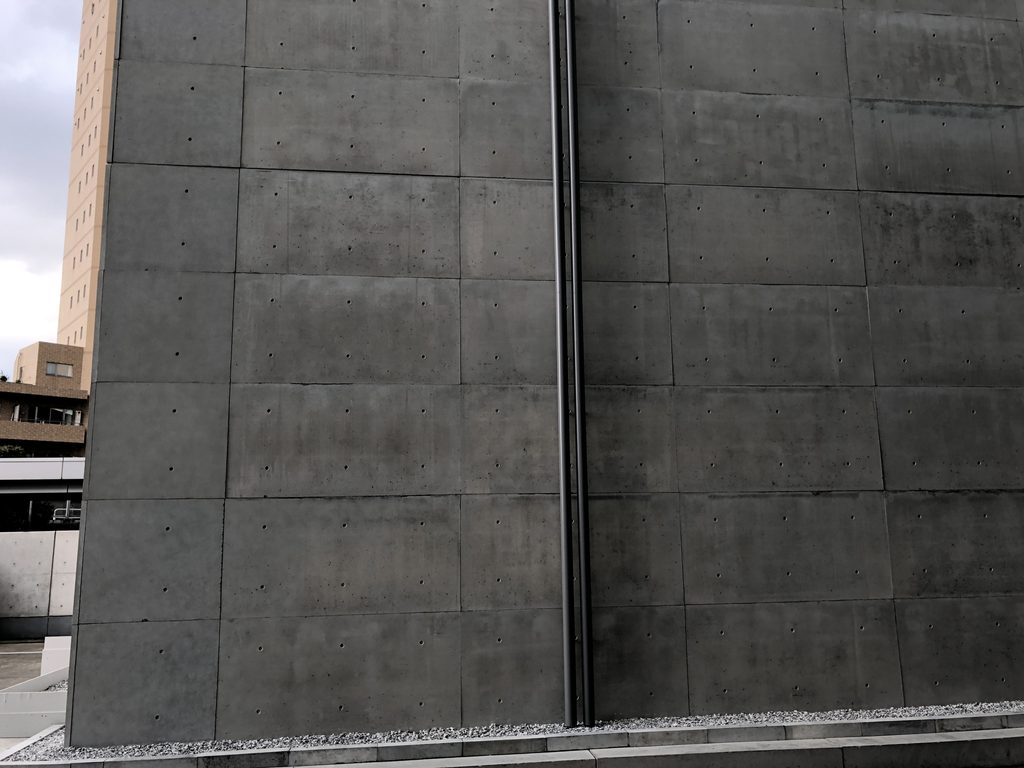
外ではただの隙間だったものが、内側へ入ることで意味を持つ。
原寸大再現を外側まで歩いて見ることによって、「光の教会」の象徴的な十字架が、実は非常に単純な建築操作から生まれていることを改めて理解できた。
What appears outside as a simple gap acquires meaning from within.
Seeing both sides of the full-scale installation made the simplicity of this architectural gesture especially clear.
My Impression
この展示を体験してから時間が経った今、改めて考えると不思議な経験だったと思う。
自分が入ったのは、茨木にある本物の「光の教会」ではない。
2017年の展覧会のために六本木につくられ、会期が終わればなくなる建築だった。
それでも内部へ入り、コンクリートの壁に囲まれ、正面の十字から光が差し込むのを見たとき、単に「レプリカを見ている」という感覚ではなかった。
Looking back, this was a strange architectural experience.
I was not standing inside the original Church of the Light in Ibaraki. I was inside a temporary structure built in Roppongi for a 2017 exhibition and destined to disappear when the exhibition ended.
Yet when I entered the concrete space and saw daylight passing through the cross-shaped opening, it did not feel like simply looking at a replica.
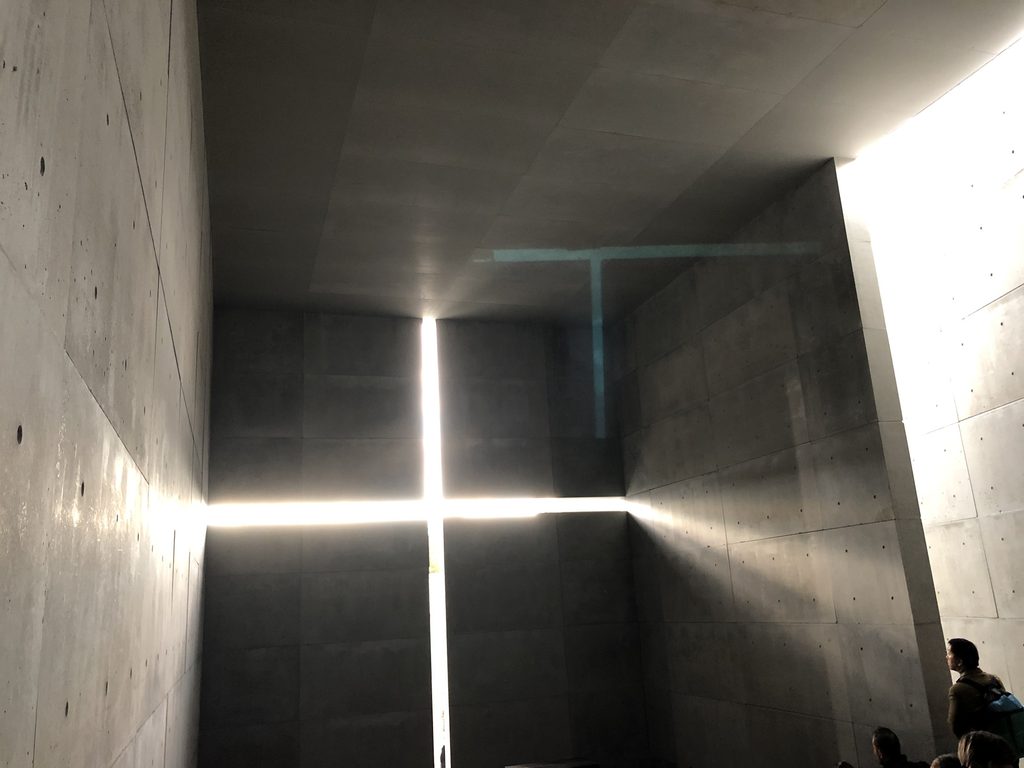
模型なら、建築を外から眺める。
写真なら、誰かが切り取った建築を見る。
しかし原寸大になると、自分自身がその建築の中へ入ってしまう。
そこには本物と同じ大きさの空間があり、自分の身体があり、そしてその瞬間の本物の太陽光がある。
だからこそ、建築の「本物」とは何なのだろうということまで考えさせられた。
もちろん、この再現を体験したからといって、茨木の「光の教会」を訪れたことにはならない。場所も歴史も、教会として積み重ねられてきた時間も違う。
しかし安藤忠雄が「光」という建築体験を伝えるために、自らの代表作を原寸でもう一度つくった意味は、実際にその中へ入ることでよく分かった。
A model is something we observe from outside. A photograph shows us architecture through someone else’s frame.
At full scale, our own body becomes part of the space.
The dimensions were real. My body was there. And the sunlight entering at that moment was real.
It made me wonder what makes architecture authentic.
Experiencing this reconstruction was certainly not the same as visiting the original Church of the Light. The site, history and accumulated life of the church were absent.
But by rebuilding the space at full scale, Ando made something possible that drawings, photographs and models could not provide.
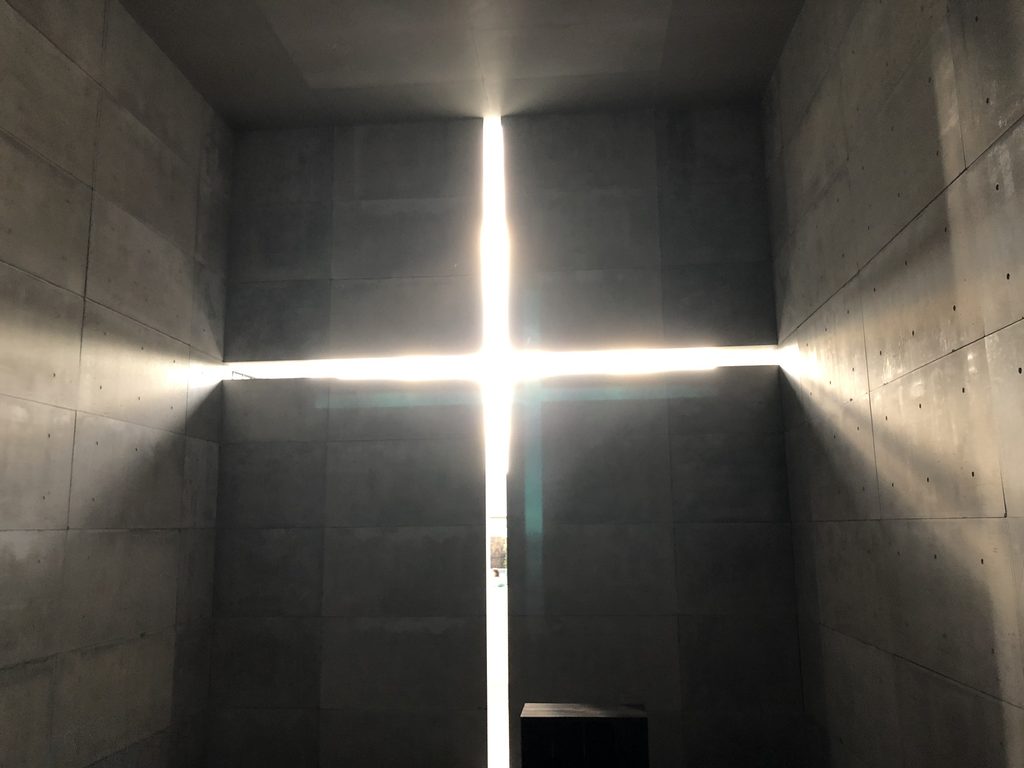
十字架を見せたかったのではない。
暗いコンクリートの空間に立ち、その向こうから自然の光が入ってくる瞬間を体験させたかった。
期間限定で消えてしまった建築だからこそ、その空間を自分の写真で残しておけることにも、今では特別な意味を感じる。
本物ではない。
けれど、そこで経験した光まで偽物だったわけではない。
それが、この原寸大の「光の教会」を今も強く覚えている理由なのだと思う。
Perhaps the purpose was not to reproduce the cross itself.
It was to let visitors stand in a dark concrete room and experience natural light entering from beyond the wall.
The building was temporary.
But the light I experienced inside it was not a replica.
That is why this full-scale Church of the Light remains so vivid in my memory.
Archive Gallery